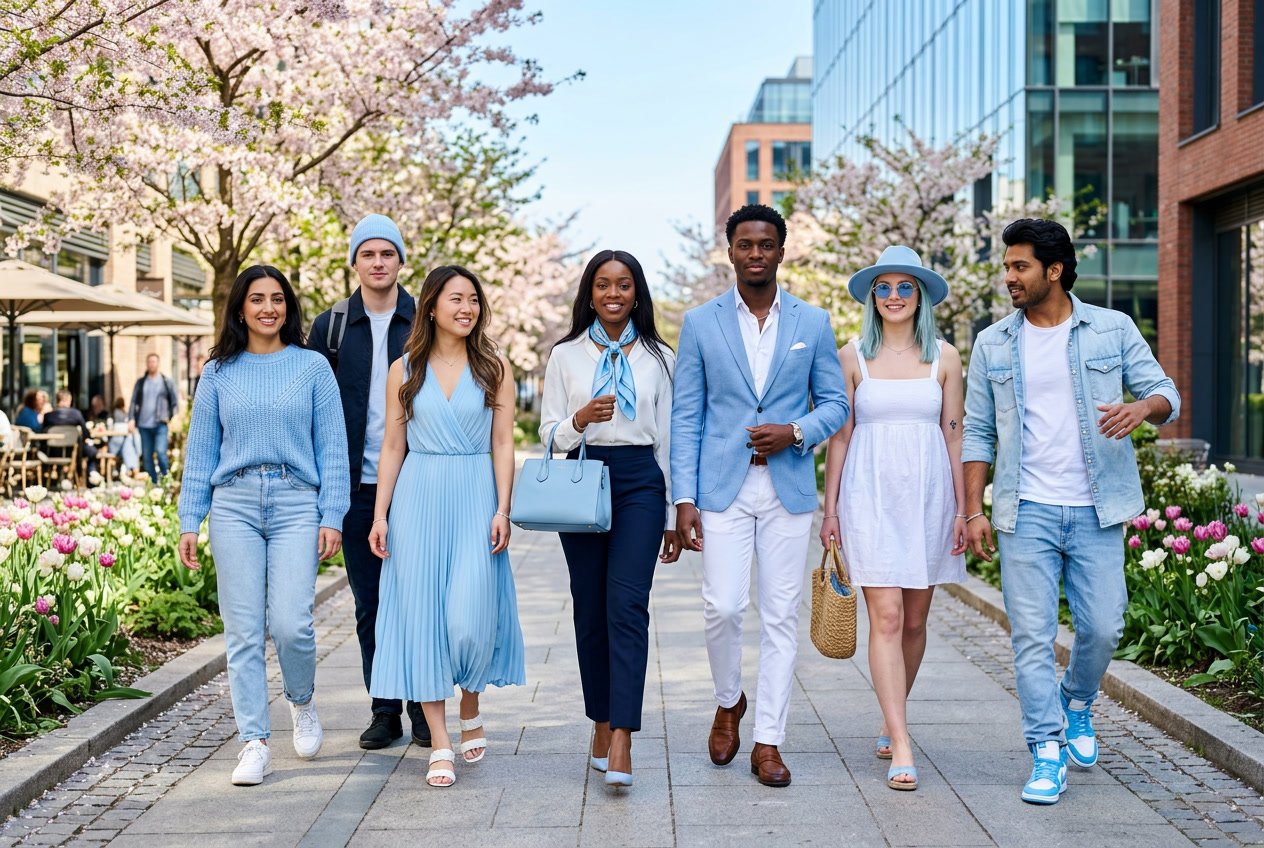
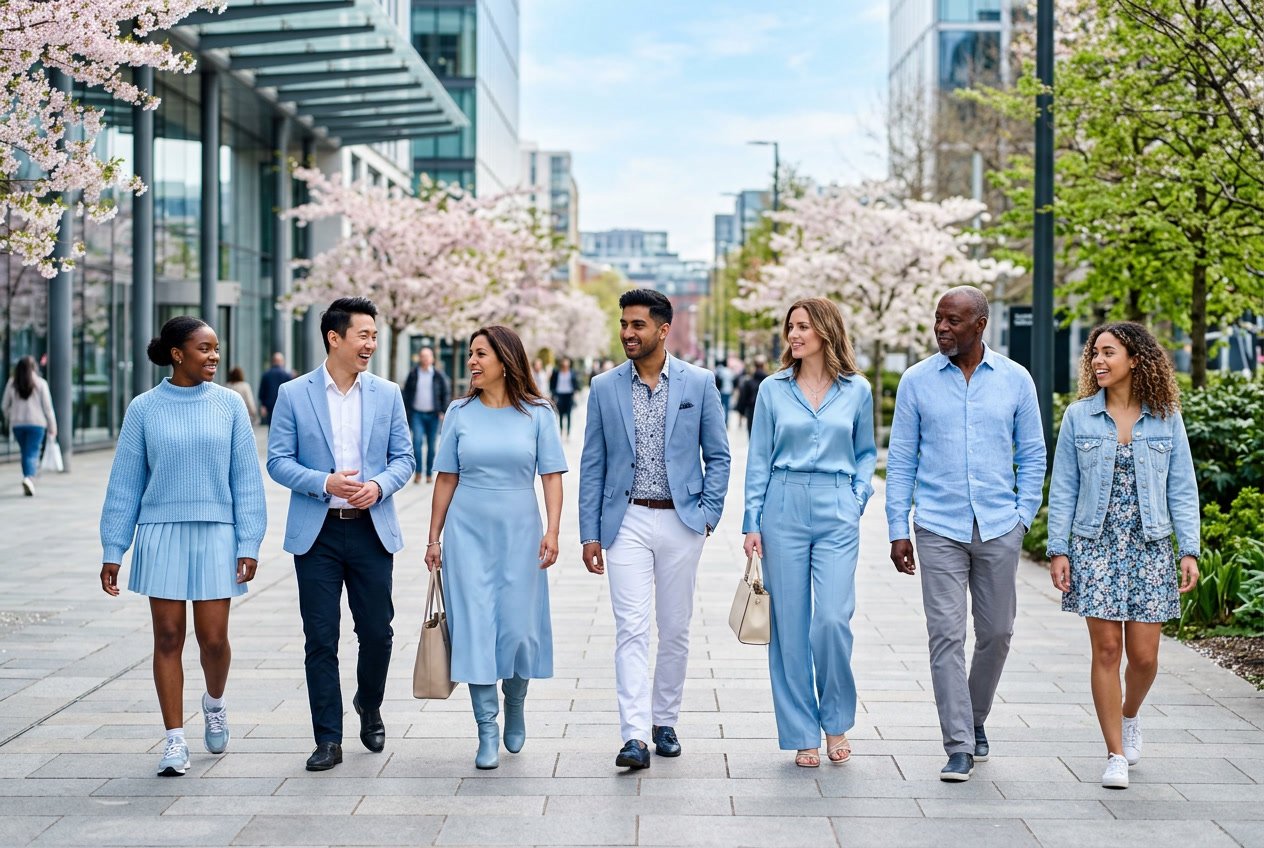
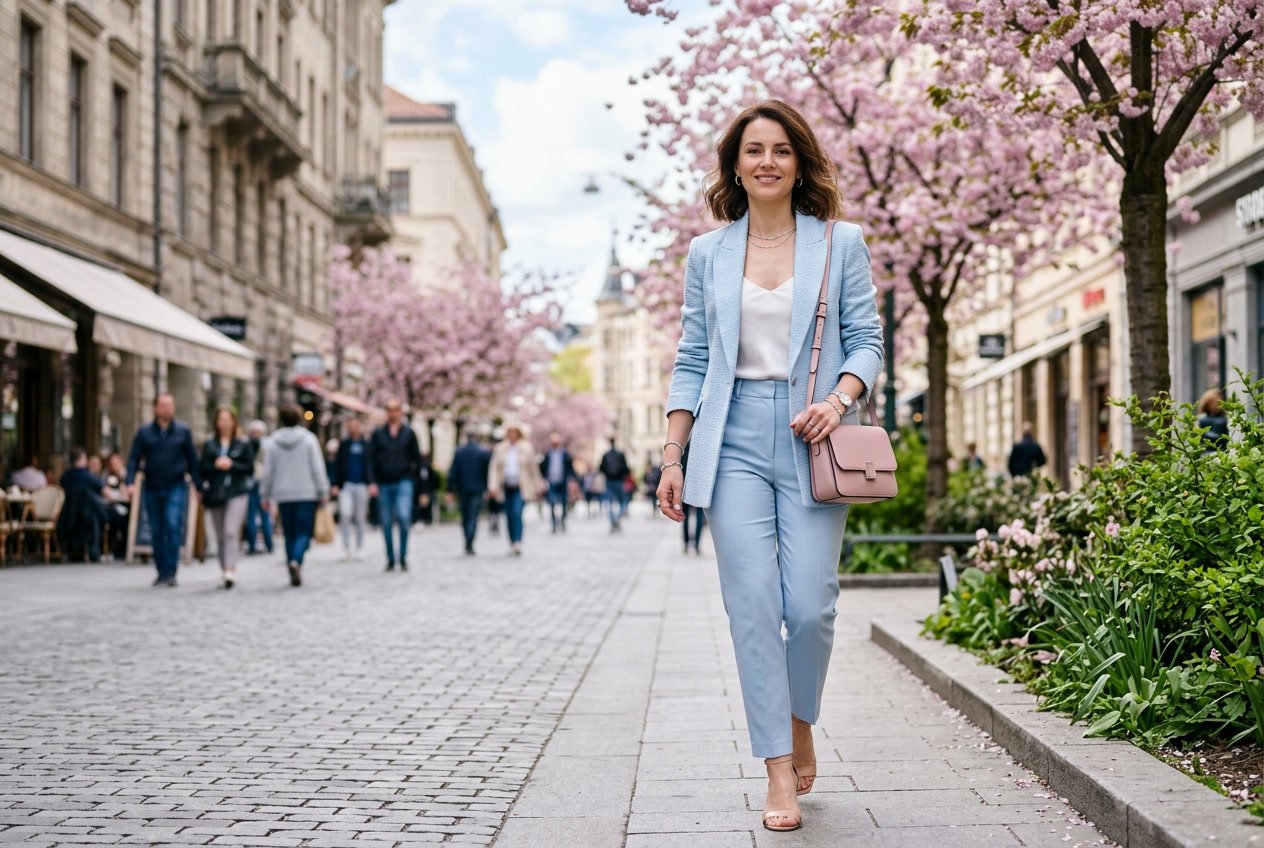
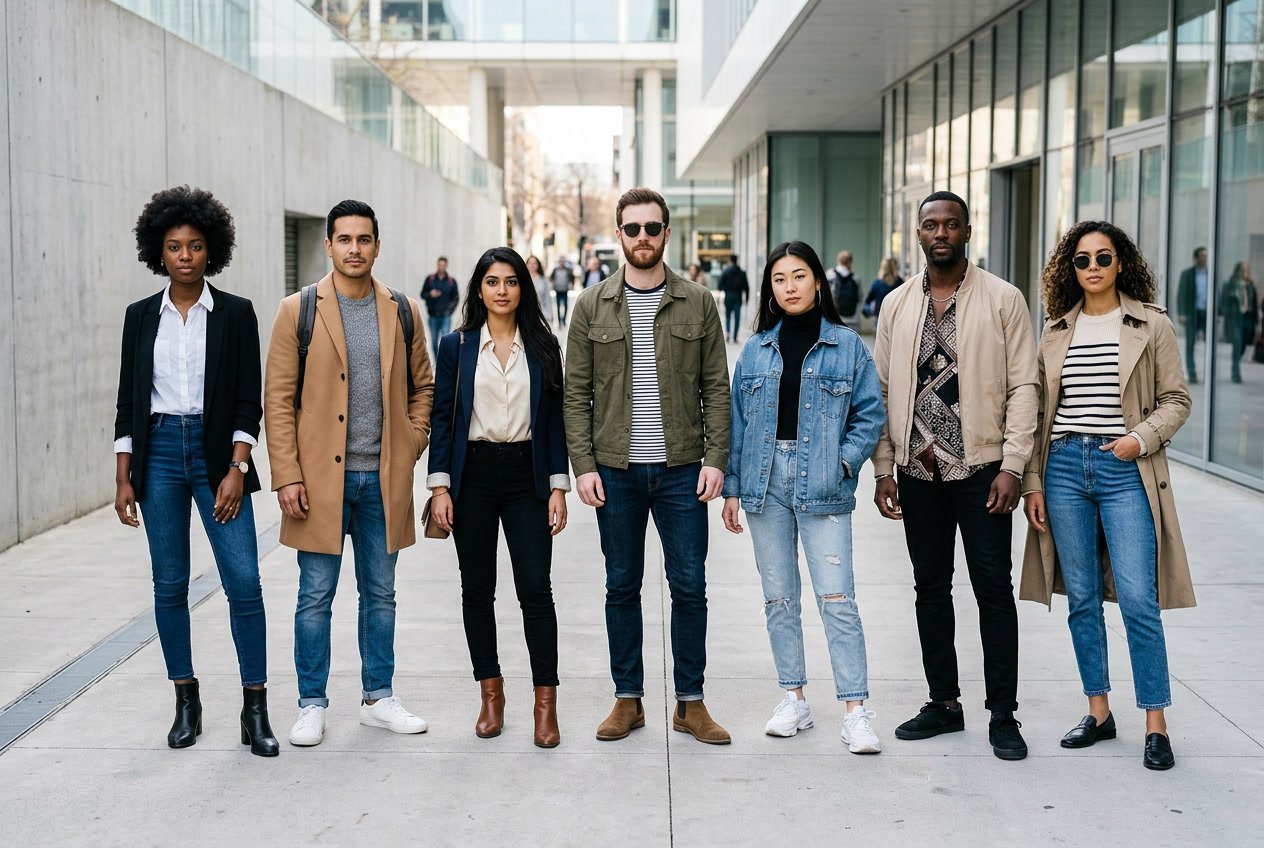
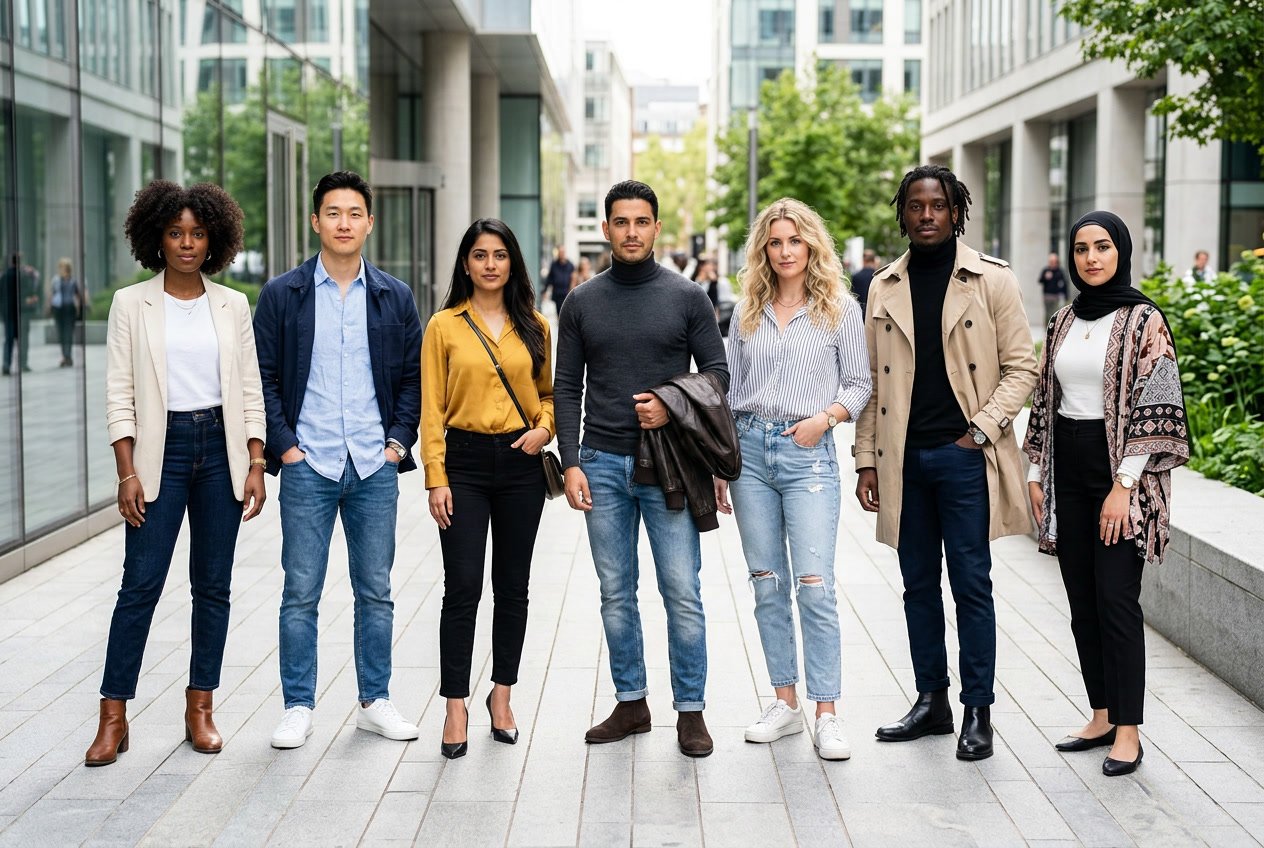
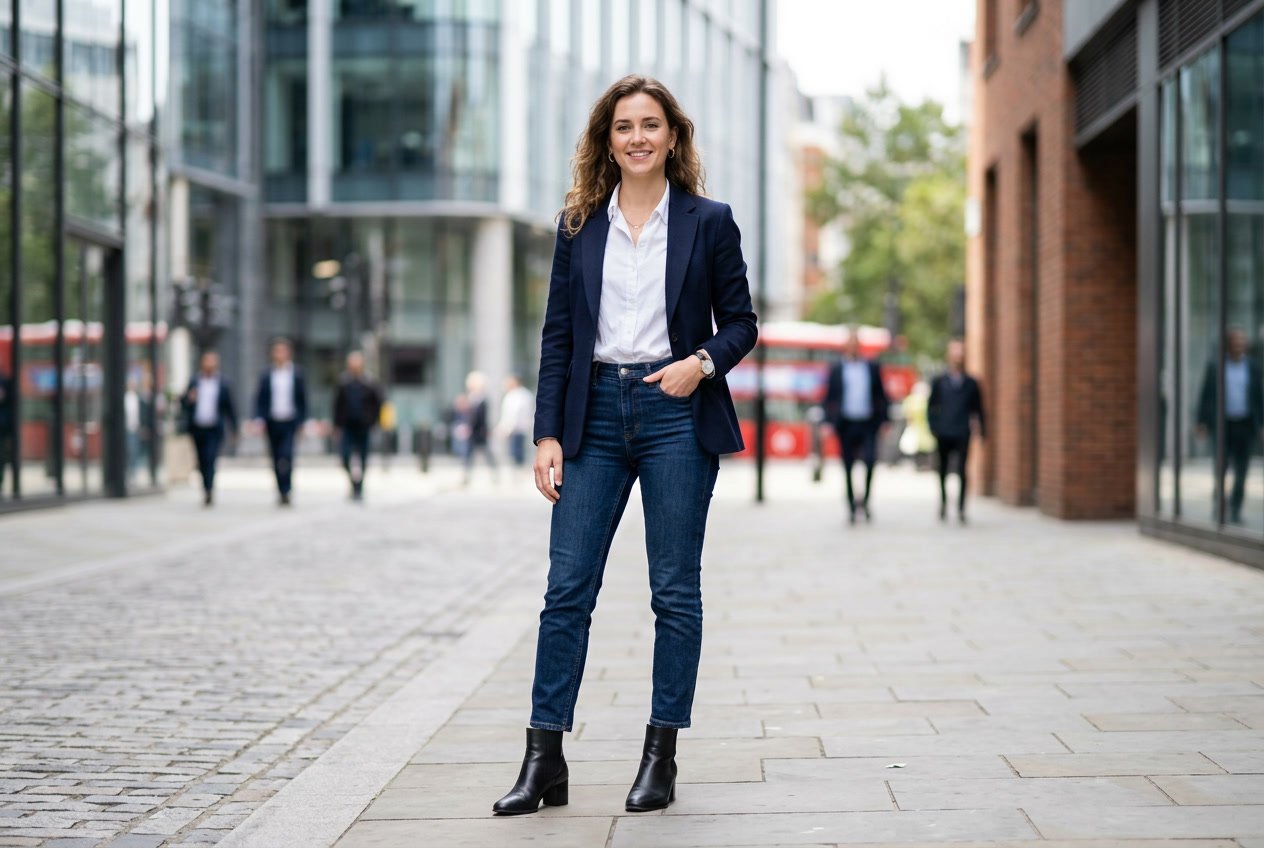
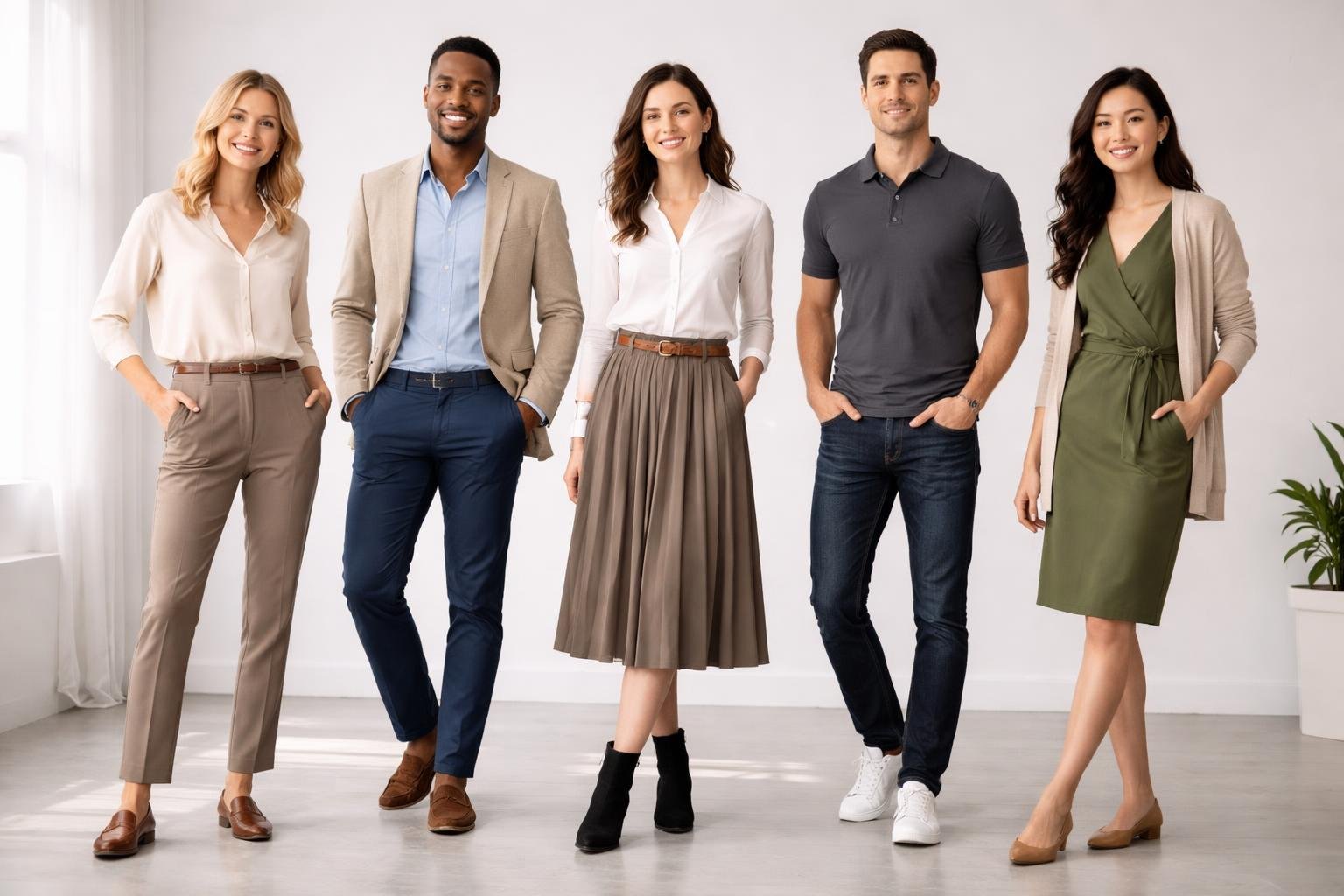
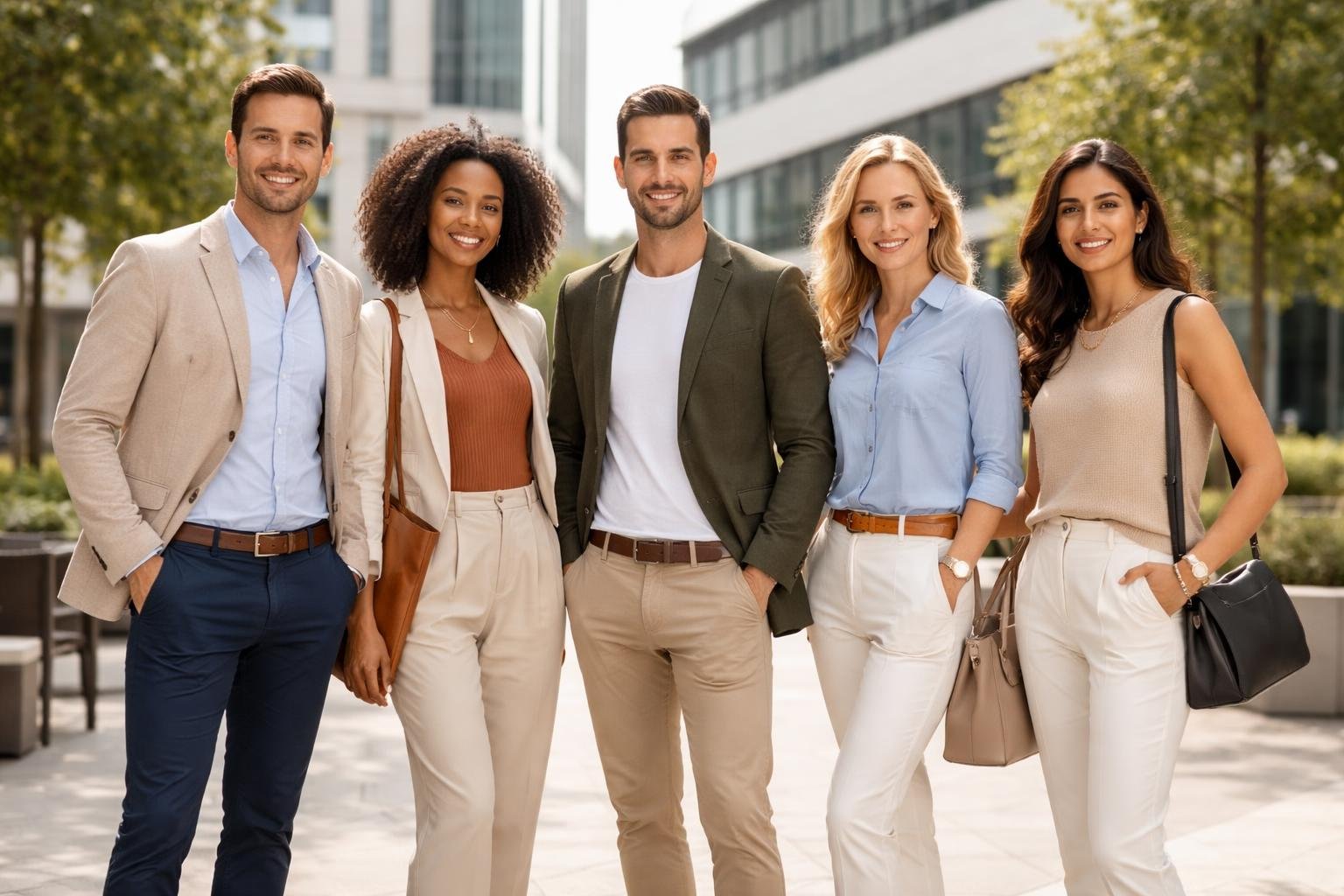
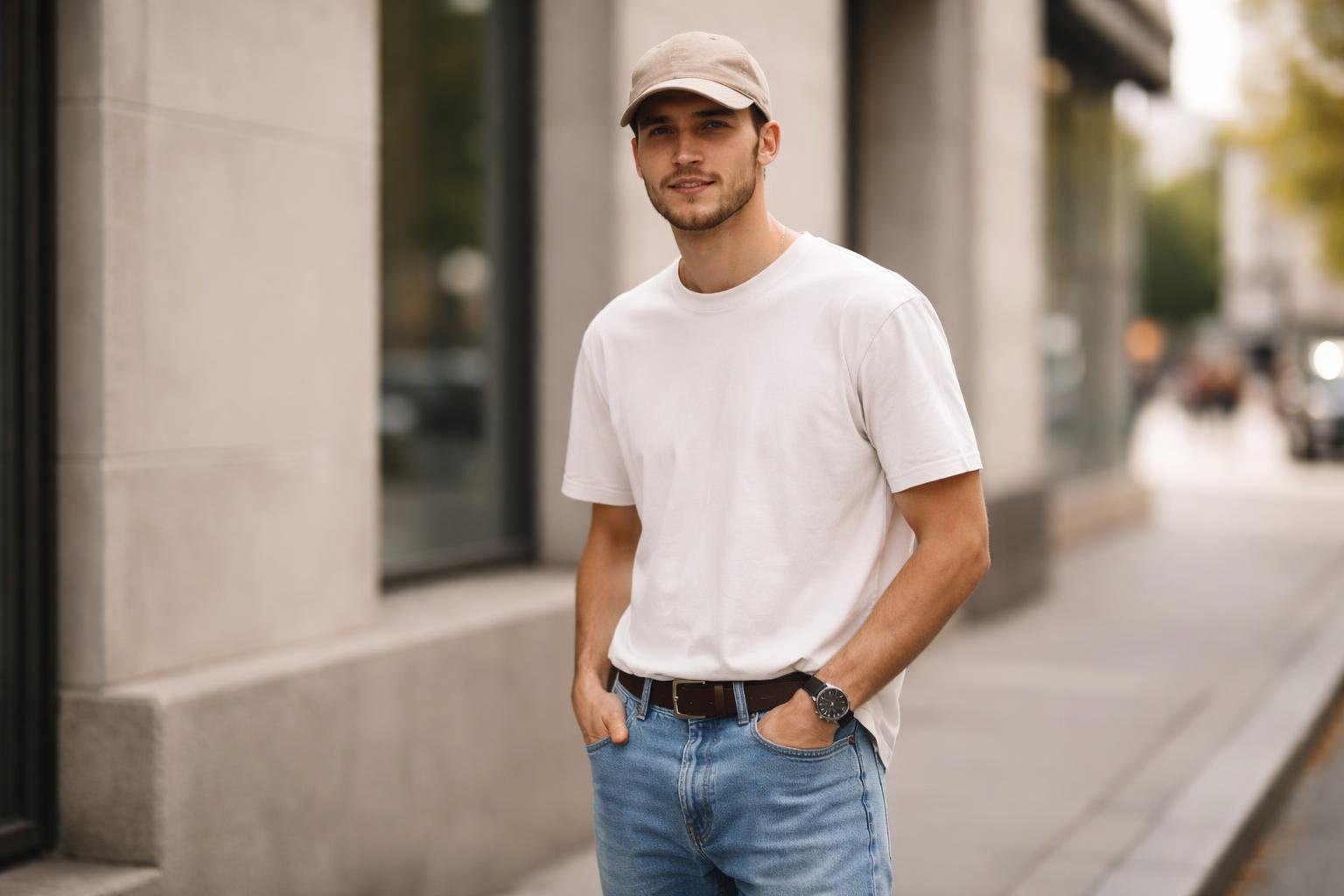
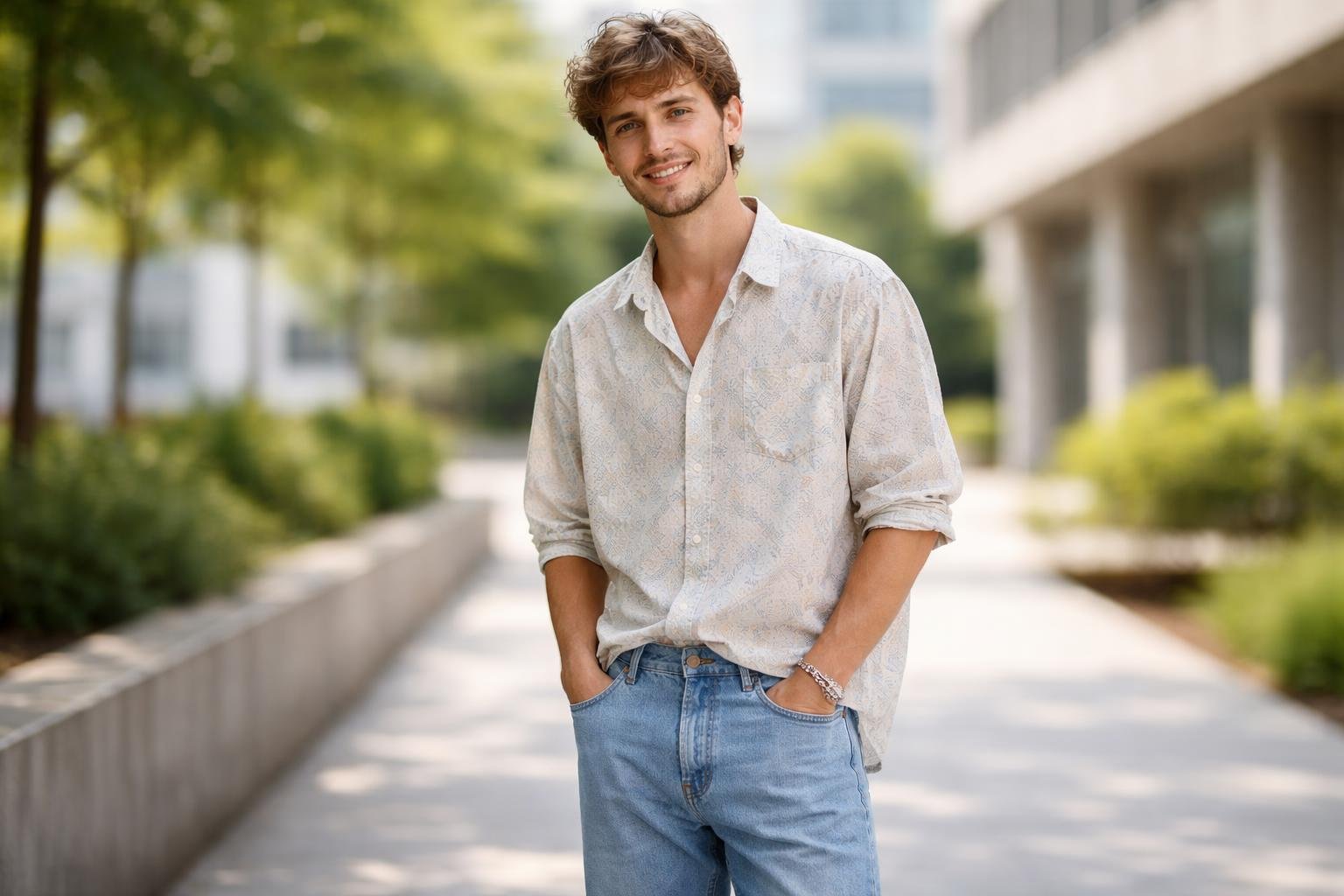
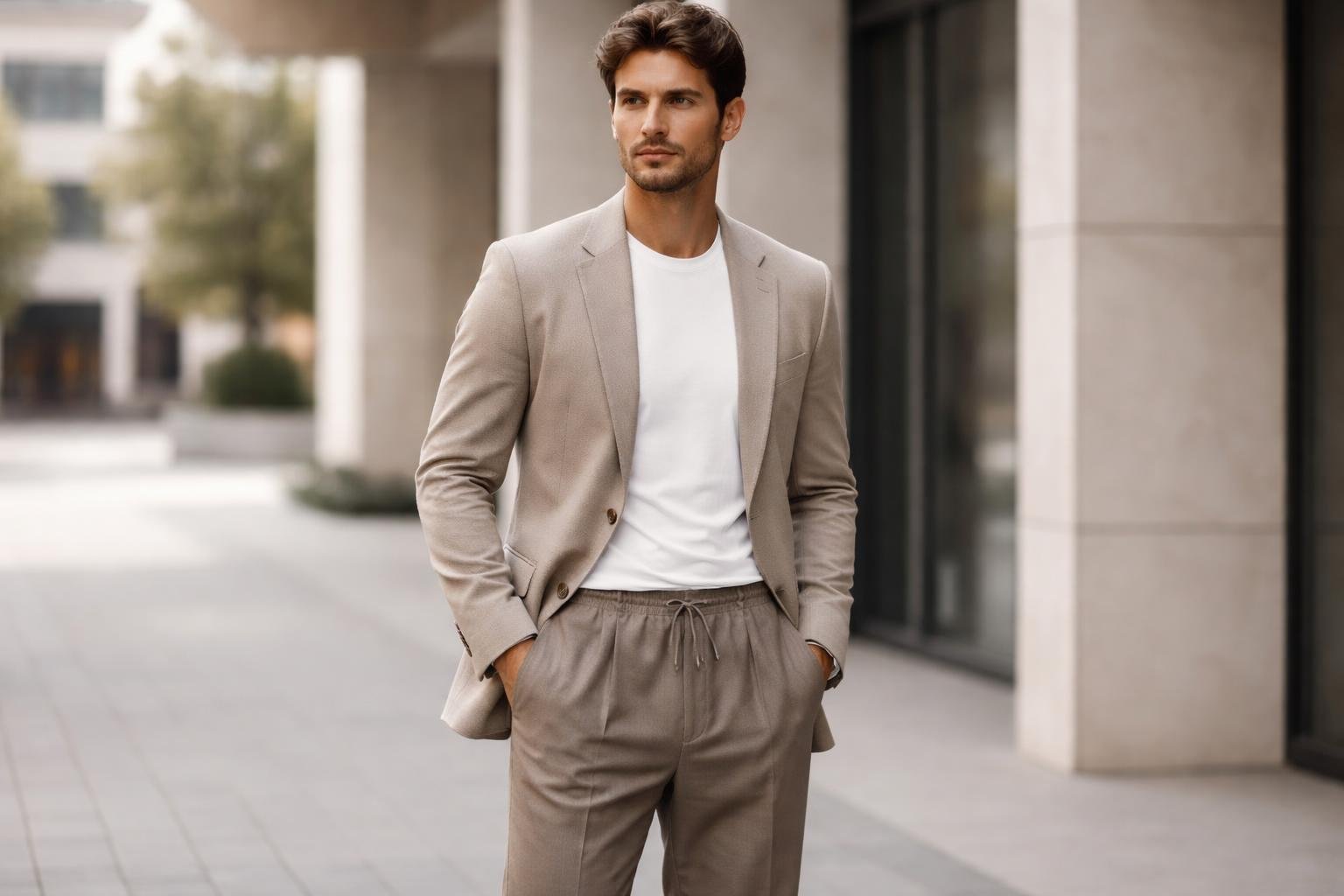
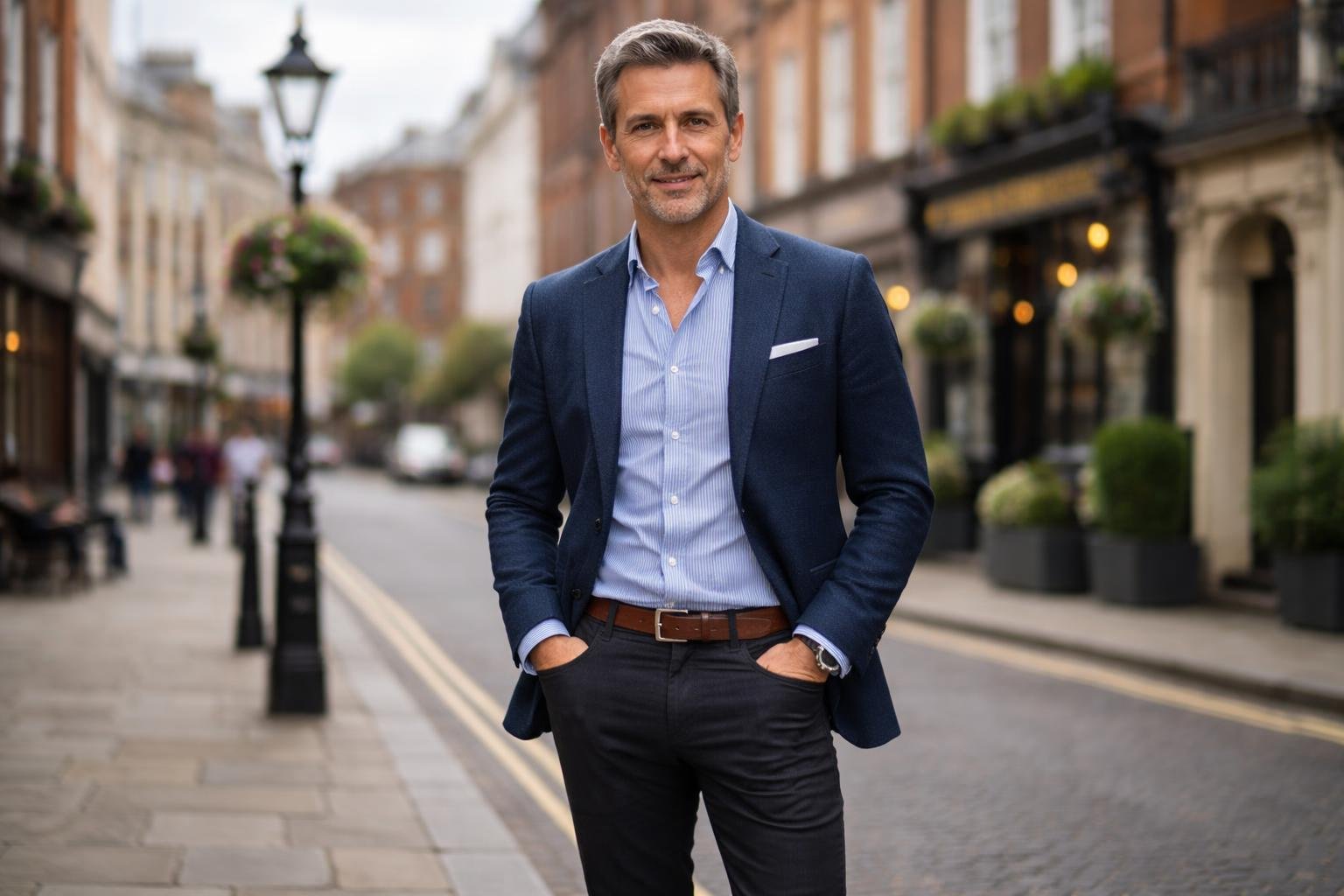
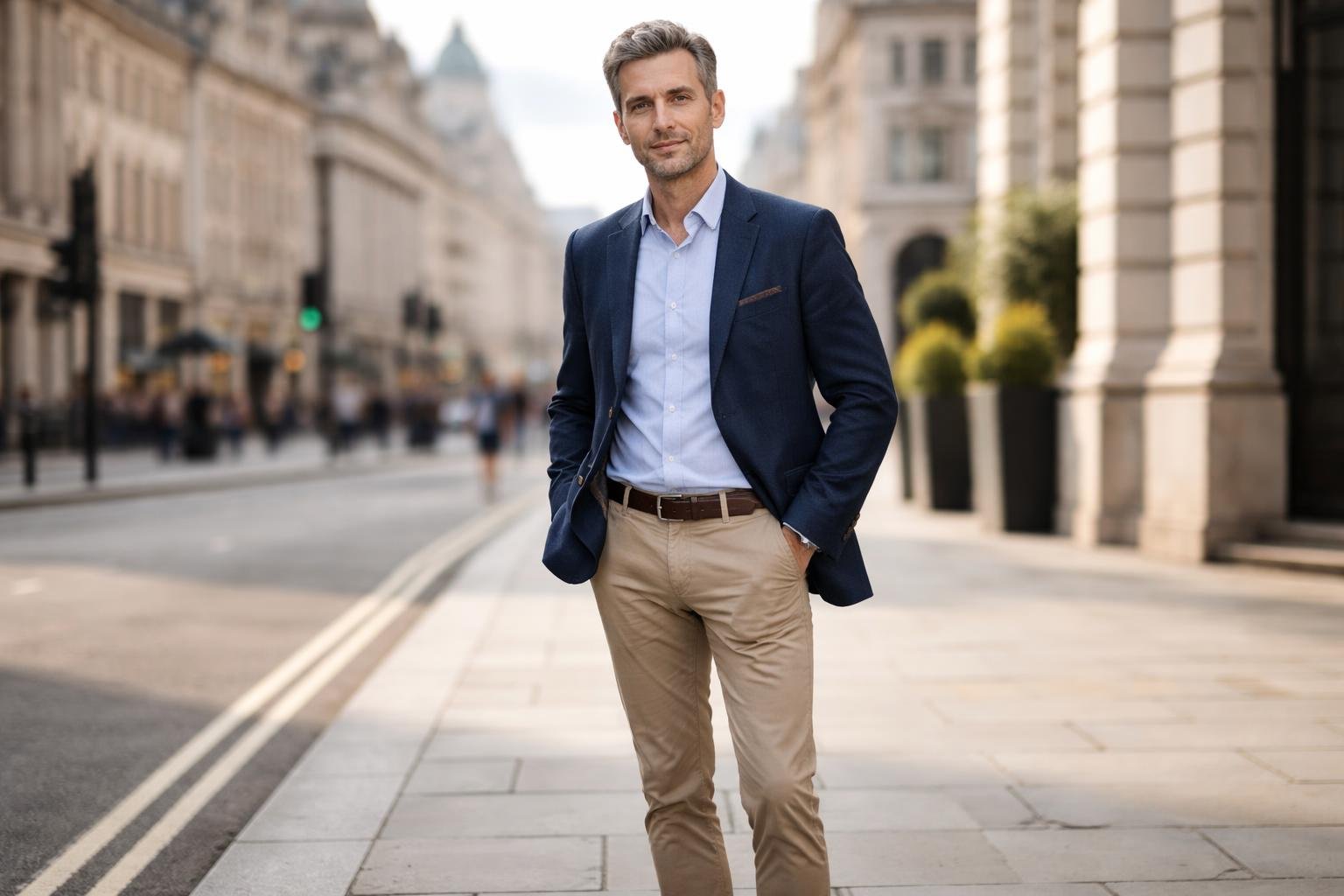
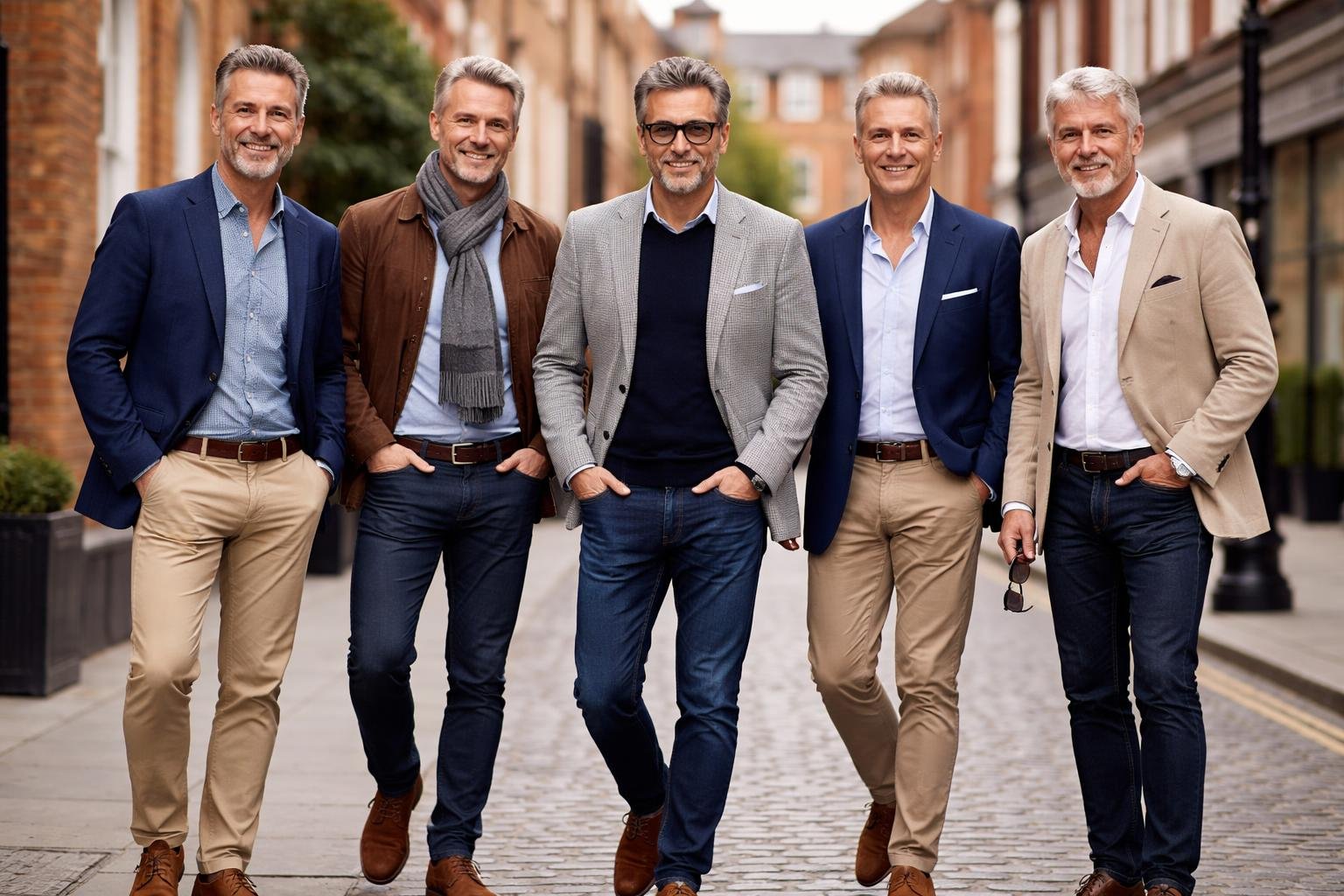
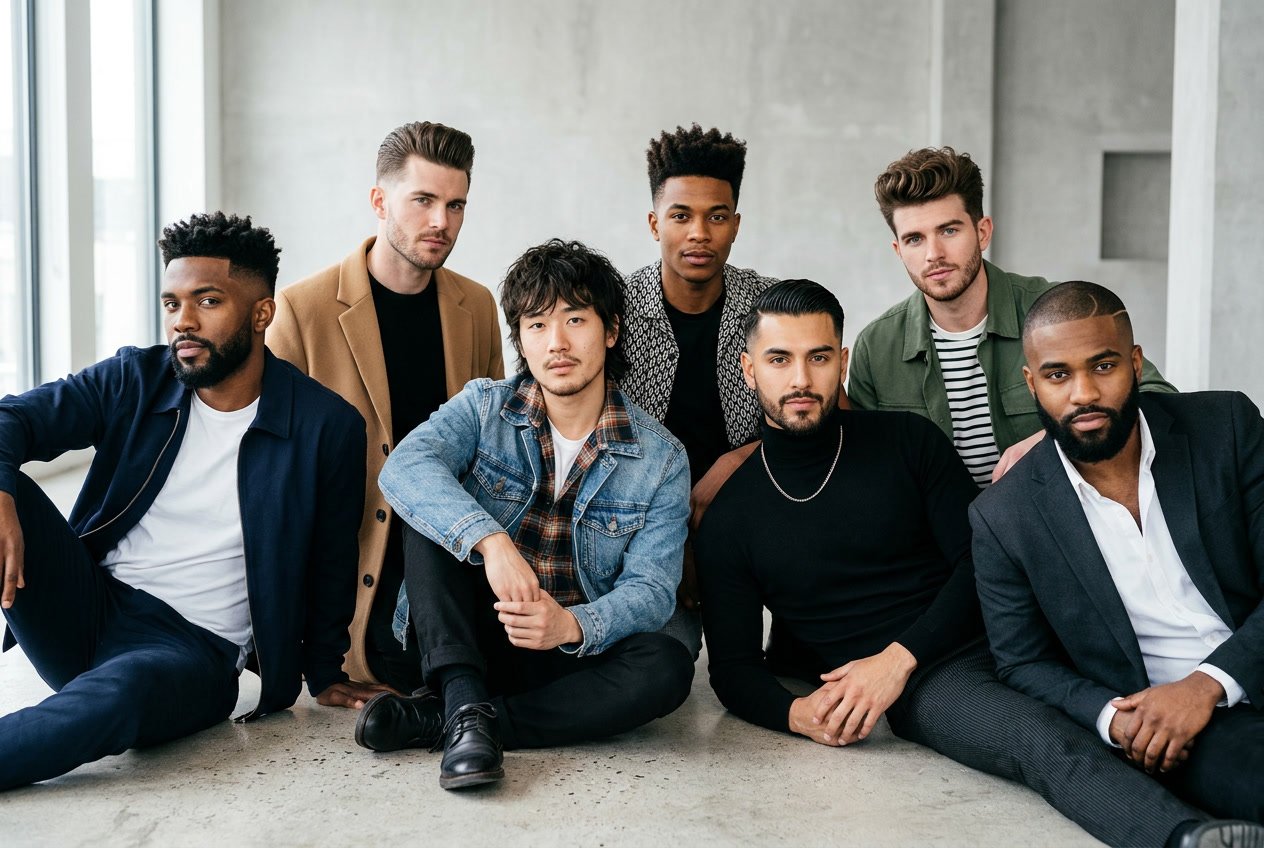
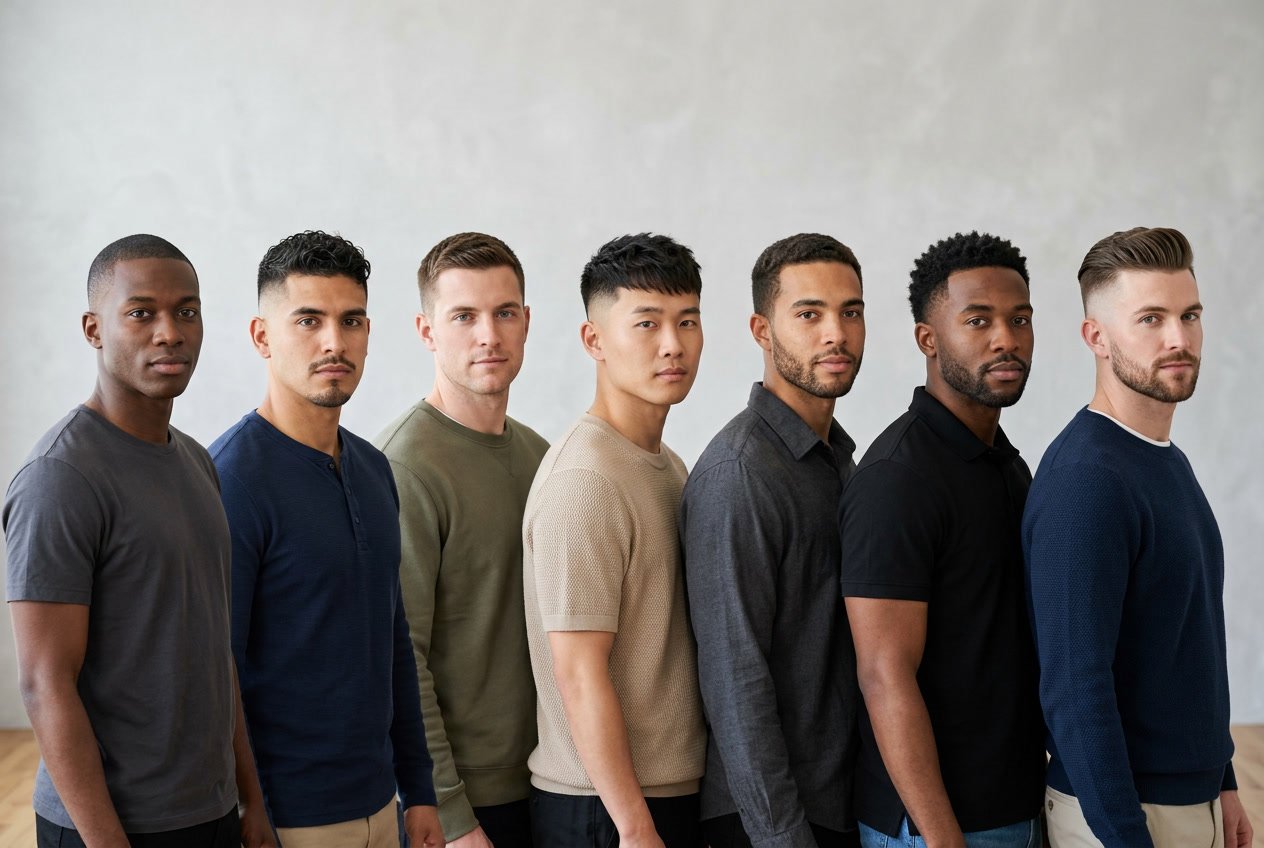
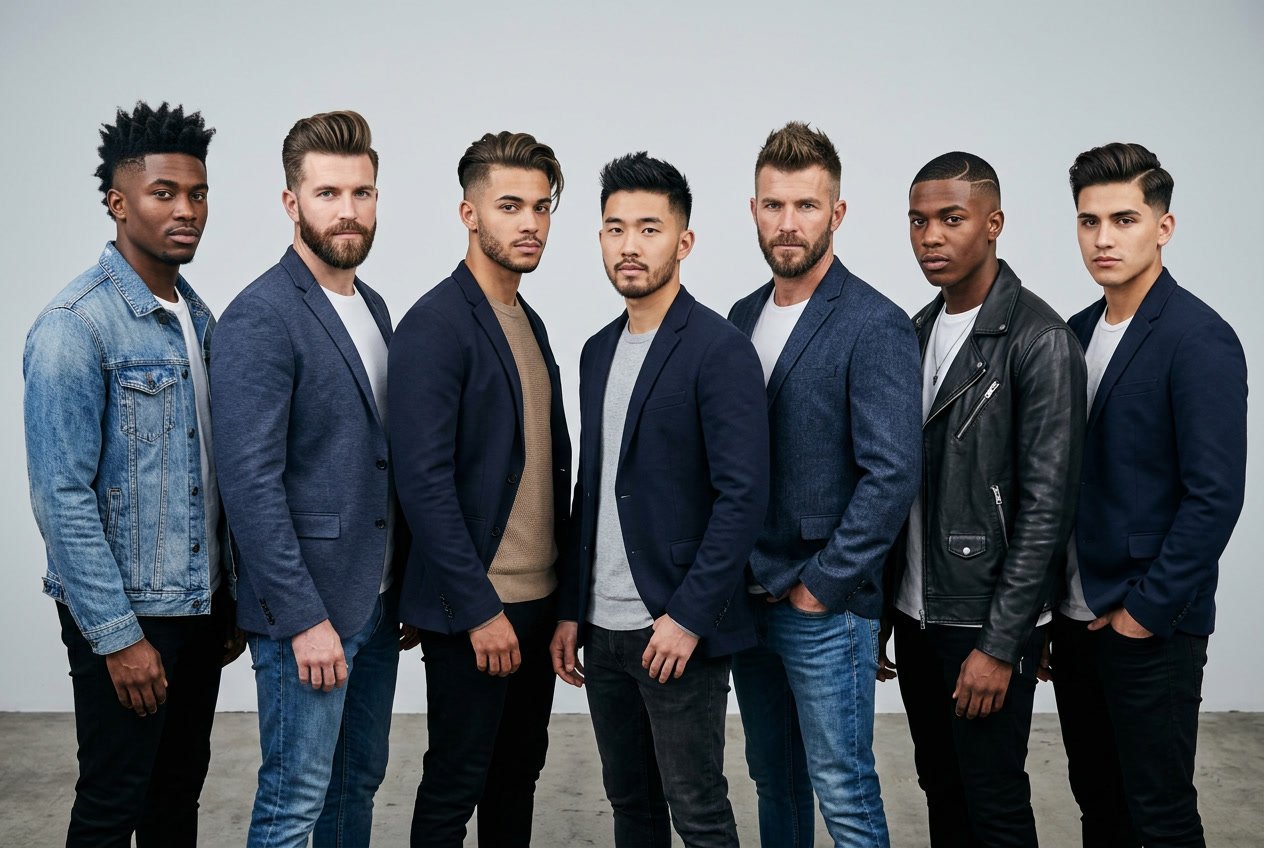
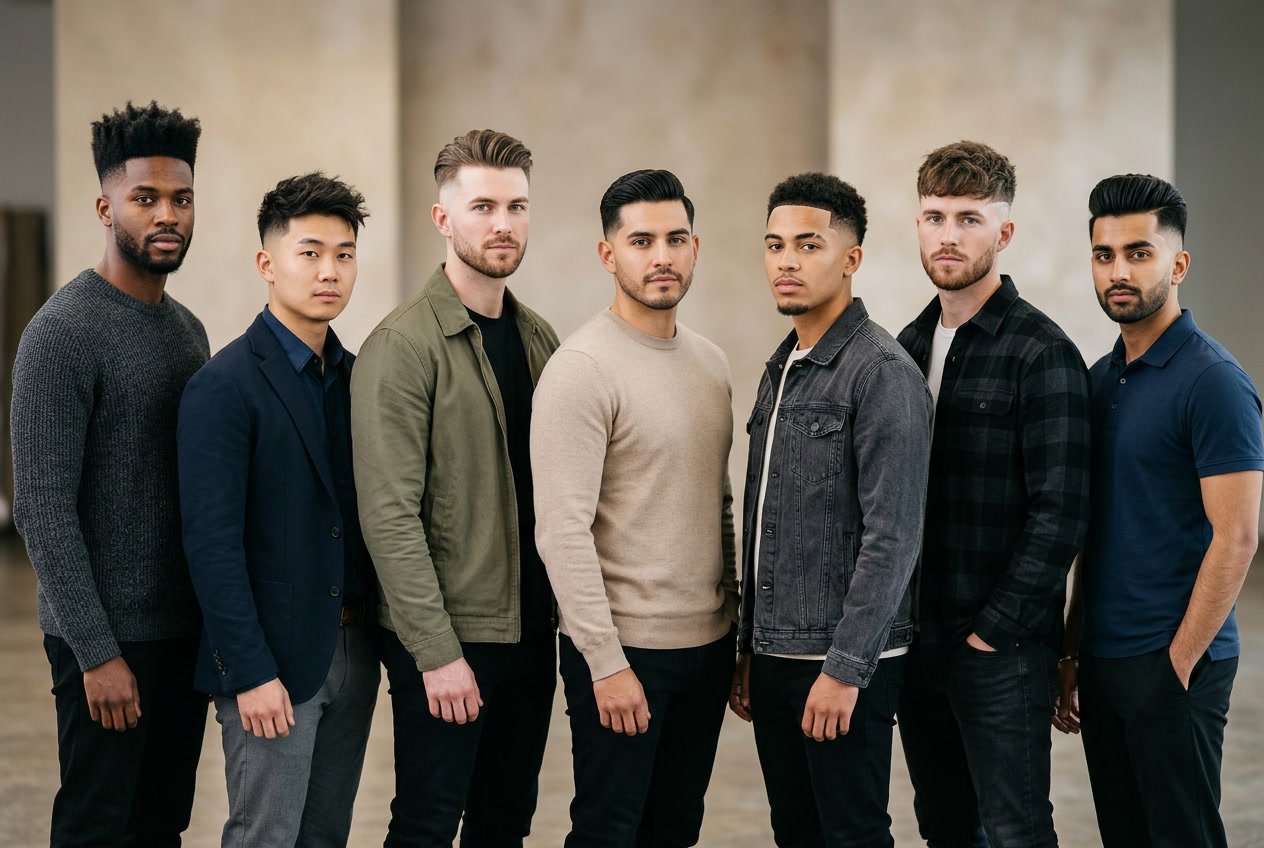
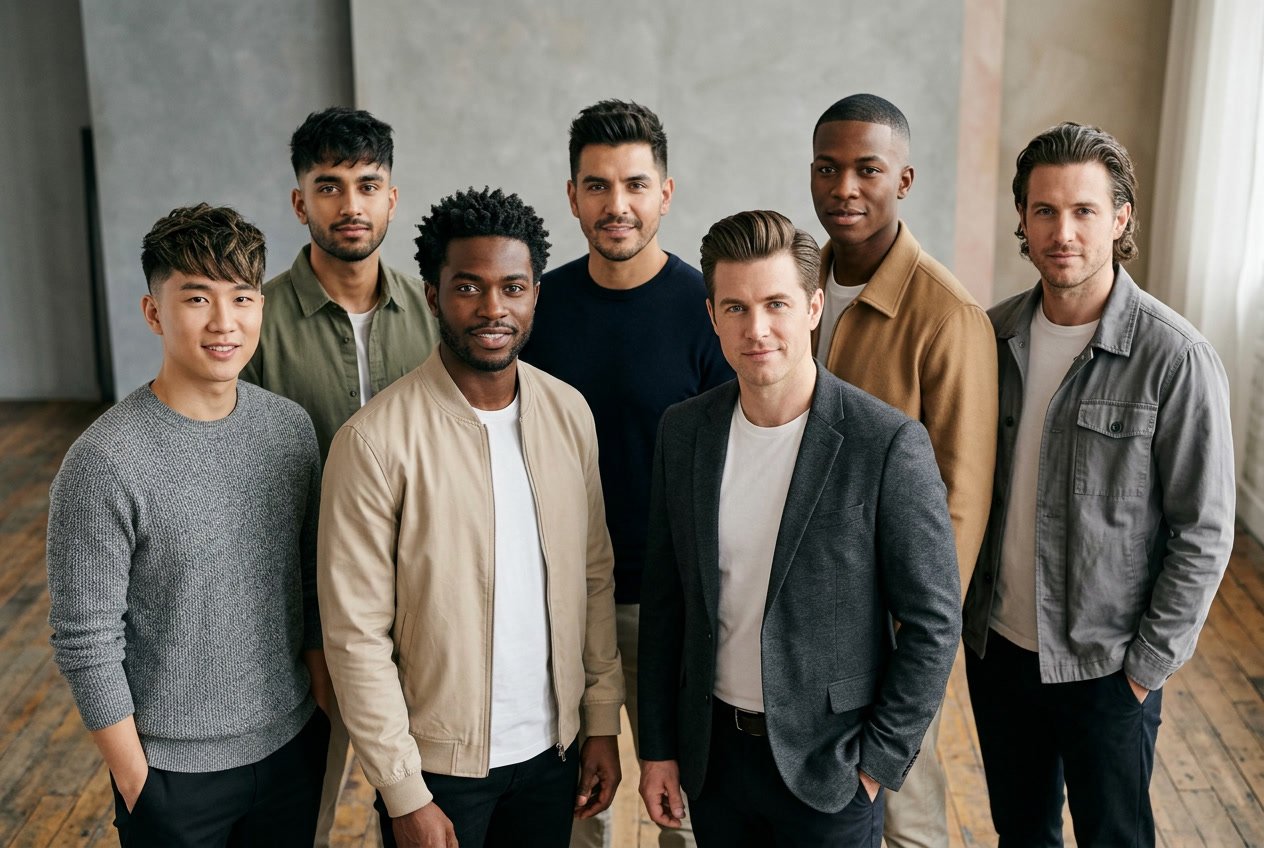
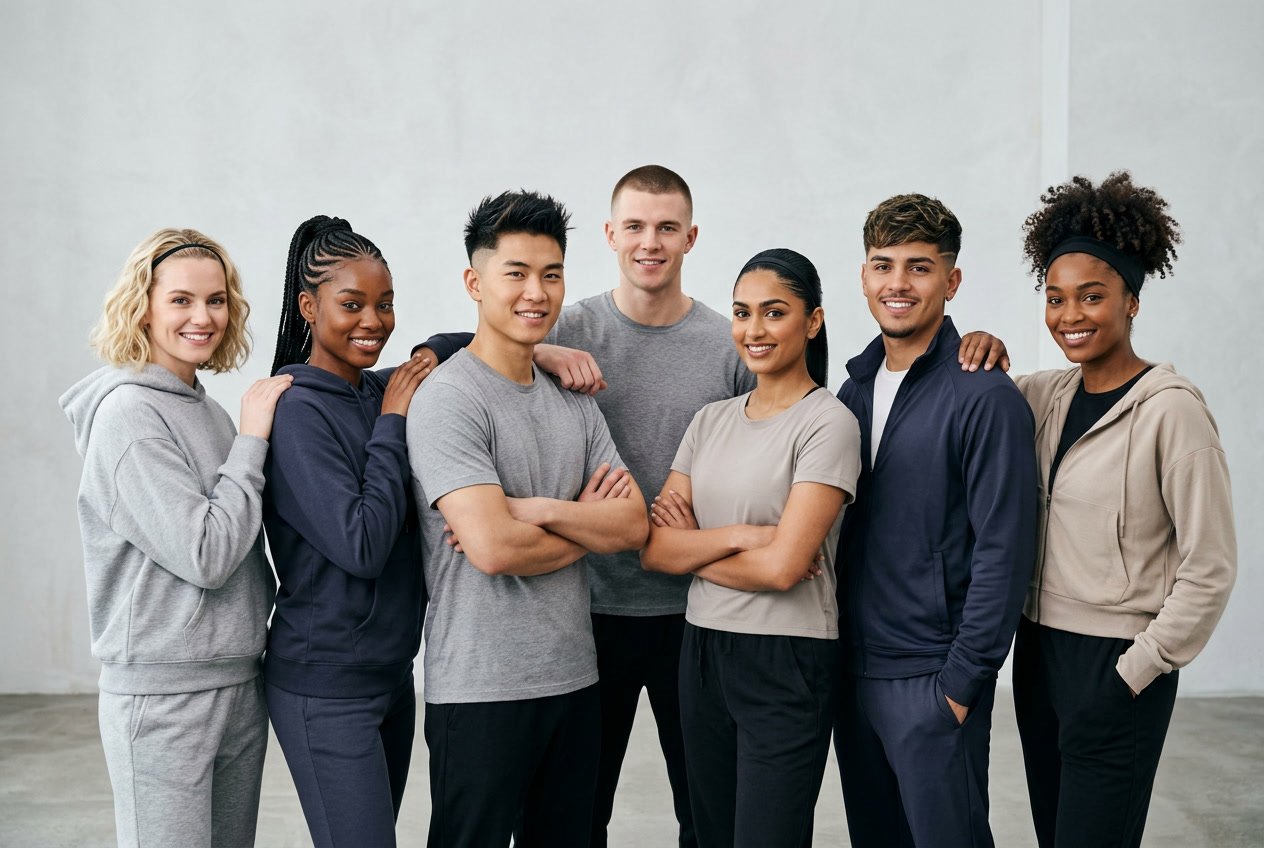
Icy blue is everywhere this spring and summer. From Dior to Victoria Beckham, this shade has made a real splash on runways and is sneaking into everyday wardrobes.
It’s not quite as pale as a classic baby blue, but softer than most neutrals. That gives it a fresh vibe—something you can wear for all sorts of occasions, honestly. People are loving it because it somehow works with both warm and cool tones, and it’s got that crisp, modern energy that just feels easy.
Fashion insiders don’t think icy blue is just a flash-in-the-pan trend. It’s been all over the spring 2026 collections, so it’s probably sticking around for a while.
It’s surprisingly flexible, too—you can wear it to work, on the weekend, or even to a special event, and it never feels out of place.
Here are seven easy ways to work icy blue into your closet, whether you want to go bold or keep it subtle. You’ll find tips for styling, some colour combos that actually work, and ideas for mixing it with stuff you already own.
Top 7 Approaches to Wearing Icy Blue
Icy blue is one of those shades that fits just about any outfit, from all-over looks to just a pop here or there. It looks great with white, beige, and denim, but honestly, it’s strong enough to stand alone—especially in a dress or sharp workwear.
Monochrome Statements
Wearing icy blue head-to-toe? It’s a bold move that totally works for spring. Grab a matching set—trousers and a blouse in the same shade—and you’re instantly polished, no fuss required.
Mixing up textures is the trick. Try a silk blouse with linen trousers so it doesn’t look too matchy-matchy. It keeps things interesting, but still cohesive.
This look can swing casual or dressy. For daytime, maybe a jumper with wide-leg trousers. If you’re heading out in the evening, throw a tailored blazer over matching trousers and you’re set.
Elegant Icy Blue Dresses
An icy blue dress is an easy win for spring. Midi dresses in this colour catch the light in the best way and look great in photos. The cool undertones flatter most people and give off a gentle, friendly vibe.
Styling it is simple. White trainers make it daytime-ready, while nude heels can dress it up. If there’s a chill, just toss on a denim jacket.
Dress styles that look especially good in icy blue:
Slip dresses with skinny straps
Shirt dresses that cinch at the waist
Midi A-line cuts
Flowy maxi dresses
Fabric matters here. Cotton poplin is crisp and keeps its shape, while satin feels a bit more dressed up. Pick a weight that actually works for the weather—comfort is key.
Light Denim Layers
Pairing icy blue with light denim just makes sense. The colours are close enough to feel coordinated, but not so close that it’s overkill. This combo feels laid-back and perfect for spring.
Try an icy blue top with light blue jeans for a no-brainer weekend look. White trainers or tan sandals keep it chill. Or, layer a light denim jacket over an icy blue dress for a little extra something.
Don’t stress about matching the blues exactly. A bit of contrast between the shades helps avoid that “Canadian tuxedo” vibe. Mixing up the fabrics—maybe a smooth blouse with rugged denim—breaks things up.
Combining Icy Blue with Neutrals
Icy blue really pops with neutrals. White makes it look extra bright and clean—think an icy blue blouse with white jeans or a skirt for that classic spring feel.
Beige and cream can mellow out the coolness, adding a touch of warmth and making things look expensive. Try a jumper in icy blue with beige trousers if you want quiet luxury without the fuss.
Grey is a solid option, too. Light grey and icy blue are close, but there’s enough difference to keep things interesting. This combo is great for work, where you want a bit of colour but nothing too wild.
Some neutral combos to try:
Icy blue + white for a super fresh look
Icy blue + beige for a softer, warmer vibe
Icy blue + grey for subtle polish
Icy blue + black if you’re going out at night
Polished Workwear and Quiet Luxury
Icy blue feels right at home in a work wardrobe. A tailored blazer in this shade over neutral trousers is sharp but not too flashy. It’s a way to show some personality, but still look professional.
Quiet luxury is all about quality, and icy blue nails it. Think cashmere or fine wool in this colour—no big logos, just really nice fabric. An icy blue cashmere jumper with tailored trousers? That’s the look.
Classic shapes work best. Wide-leg trousers, crisp blouses, or knee-length skirts in icy blue keep things business-appropriate but on-trend. Keep accessories simple—nude or white—so the clothes can do the talking.
Fresh Accessories and Beauty Accents
Not sure about a whole outfit? Try icy blue accessories. A bag, scarf, or shoes is an easy way to dip your toe in. This is especially good if your wardrobe is mostly neutral and you want a little update.
One icy blue accessory is usually enough. A clutch with an all-white look gets attention in the best way. Or, icy blue shoes with beige or grey—just enough colour to keep things interesting.
Beauty counts, too. Icy blue nail polish is a fun nod to the trend without being over the top. Even a soft blue eyeshadow can tie your look together if you’re feeling adventurous.
Casual Daywear and Capsule Wardrobe Ideas
Icy blue is a secret weapon for capsule wardrobes. It’s almost as easy to wear as white or grey, but a lot more fun. A basic icy blue T-shirt works with jeans, skirts, or shorts—whatever you’ve got.
If you’re building outfits around just one or two icy blue pieces, getting dressed gets a lot easier. A jumper in this shade layers over shirts, goes under jackets, or stands alone with trousers. It’s the kind of piece that works for errands or dinner, depending on how you style it.
The casual stuff in icy blue—sweatshirts, cardigans, blouses—tends to stick around in your rotation. The colour is crisp enough that it never feels tired, even if you wear it a lot.
Capsule wardrobe must-haves in icy blue:
Basic T-shirt or vest
Lightweight jumper or cardigan
Button-up shirt
Casual trousers or joggers
Styling Tips, Colour Pairings, and Key Considerations
Icy blue looks best when you either lean into its coolness or set it off with a punch of contrast. The right textures and a thoughtful palette keep the look fresh, not fussy.
Building a Spring Capsule Palette
If you want to build a spring capsule around icy blue, start with three to five core pieces. A blazer, trousers, or a jumper in this colour gives you a solid base.
Neutrals like beige, cream, and white are your best friends here. They let icy blue shine without fighting for attention. A beige trench or cream trousers with an icy blue top? That’s spring, sorted.
Adding just one or two accent colours keeps things lively. Butter yellow and navy blue play nicely with icy blue. The trick is to keep most of your pieces neutral and let the blue and one accent colour pop.
Six to eight versatile items is plenty. That way, you’re not overwhelmed with options, but you never feel like you’re wearing the same thing every day.
Texture and Fabric Choices
Fabric really changes how icy blue looks and feels in spring. Linen and cotton are crisp, breathable, and just make sense for warmer days.
Satin and silk give icy blue a dressier feel. They catch the light and make the colour look a bit more luxe. A silk blouse in icy blue with denim? That’s a nice mix of polished and relaxed.
Lightweight knits—think merino or cotton blends—are perfect for chilly mornings. Textures matter: a smooth trouser with a chunky knit jumper in a neutral keeps things interesting.
Skip heavy wools or fleece for now. They’re just too much for spring, and icy blue doesn’t really suit them anyway.
Colour Combinations: Butter Yellow, Navy Blue, and More
Butter yellow and icy blue make for a surprisingly cheerful combo, especially for spring or summer 2026. There’s something about how both shades have a similar lightness—it just works. Picture an icy blue jumper with butter yellow trousers, or maybe a butter yellow bag thrown over an icy blue dress. It’s playful, but there’s still a bit of sophistication in there.
Navy blue and icy blue? That’s a tonal pairing that always feels a bit more polished, honestly. Navy really grounds things, keeping the look cool and pulled together. Navy trousers with an icy blue shirt—somehow, that just fits right in for work or more professional moments.
Beige and icy blue might be the most versatile of the bunch. This duo manages to suit almost any occasion without ever feeling like you’re trying too hard. The warmth of beige softens the coolness of icy blue, creating a nice balance.
Other combos worth trying:
White: Always fresh, always clean.
Grey: Lends a bit of sophistication, but doesn’t steal the spotlight.
Soft pink: Brings in warmth, while still keeping things pastel and gentle.
Honestly, limiting your outfit to two or three colours just keeps things from getting overwhelming. Using icy blue as the main shade, with a neutral and maybe one accent, usually lands you with a look that feels balanced—never too much.
Cigarette jeans are making a big comeback as the denim trend to watch for 2026, nudging aside those oversized, baggy styles. These straight-leg jeans give you a tailored fit that’s way more relaxed than those ultra-tight skinnies we all remember—and honestly, they’re just a lot comfier.
Fashion insiders have been spotted in them all over London and beyond. It’s clear: slim-fit denim is back, but with a modern, elevated twist.
The move away from wide-leg and barrel jeans might feel abrupt, but cigarette jeans bring a refreshing sense of balance to denim. They’re surprisingly versatile—think crisp button-ups, easy hoodies, whatever you’ve got.
The trick is making sure they look current, not like you’re raiding your own high school closet.
This guide dives into the smartest ways to style cigarette jeans right now. Whether you’re into minimal, polished outfits or you lean more casual, there’s a way to make this trend work for you.
The 7 Most Fashion-Forward Ways to Style Cigarette Jeans
Cigarette jeans give you a refined silhouette that sits right between those super-relaxed fits and skin-hugging skinnies. The secret? Pairing them with pieces that play up their clean lines instead of fighting them.
Elevated Minimalism: Pairing with White Shirts and Ankle Boots
A crisp white shirt is basically the backbone of a polished look when you’re wearing high-rise cigarette jeans. There’s something about that combo—it’s simple, but not boring.
Tuck the shirt in all the way to show off your waist and make your legs look longer. This works especially well with cropped slim jeans that hit just above the ankle.
Ankle boots pull the whole thing together by:
Adding a bit of height without feeling dressy
Breaking up the hem cleanly
Keeping the silhouette streamlined
Black cigarette jeans can take this look up a notch. The darker wash just feels more sophisticated, but still easygoing.
Pick ankle boots in tan, burgundy, or classic black for a palette that’s understated and cohesive.
Outfit Ideas with Ballet Flats for Effortless Chic
Ballet flats bring a relaxed vibe to cigarette jeans without losing that put-together feel. There’s a bit of French-girl energy here—effortless but somehow always polished.
Mid-wash straight-leg cigarette jeans work perfectly with ballet flats. The proportions just seem to click.
Keep a little bit of ankle showing between the jeans and the shoes. Go for flats in black, nude, or navy if you want to keep things classic.
Blue cigarette jeans in lighter washes look especially fresh with cream or white ballet flats, especially in spring and summer. Throw on a simple knit or a fitted tee and you’re good for anything from coffee runs to weekend walks.
How to Wear Cigarette Jeans with Blazers and Tailored Outerwear
Blazers have this magic ability to take slim denim from casual to work-ready in seconds. Structured shoulders and a defined waist balance out the straight leg of cigarette jeans.
Look for blazers that hit at the hip or just below—nothing that chops your body in half. Single-breasted styles in wool or cotton are easy wins, and if you’re feeling bold, oversized blazers can add a cool, modern edge.
Vintage slim jeans in dark washes look office-appropriate when teamed up with a classic blazer. The slim fit keeps things intentional and sharp.
When it’s cold:
Layer a fine knit under the blazer
Stick with ankle boots in similar tones
Keep accessories simple and elegant
Cropped cigarette trousers are a slightly dressier alternative. Pair with pointed flats or low heels and a tailored coat if you’ve got meetings or something more formal on the calendar.
Layering with Moto, Trench, and Bomber Jackets
Moto jackets add a bit of edge to the clean lines of cigarette jeans, but they don’t overwhelm the shape. The cropped length of most leather jackets just seems to work with high-rise cigarette jeans.
Jacket-specific styling:
Jacket Type
Best Jean Wash
Ideal Footwear
Moto
Black or grey
Ankle boots
Trench
Mid-blue or cream
Loafers or trainers
Bomber
Army green or black
Sleek trainers
Trench coats bring a timeless feel to slim jeans. Go for ones that fall below the knee so your jeans peek out underneath.
Bomber jackets are a great match for cropped slim jeans. The casual vibe of the bomber balances out the tailored denim, making it look modern and not like you’re trying too hard.
Modern Workwear: Ballet Flats, Loafers and Structured Bags
For work, you want cigarette jeans to look sharp. Loafers do the trick—they add polish and keep things feeling professional.
Try black cigarette jeans with burgundy or tan leather loafers. Add a structured bag in a matching tone to pull it all together.
Ballet flats are a solid choice in more creative offices. Stick with simple styles so the focus stays on the clean lines.
Workwear essentials:
Fitted button-downs in solid colors
Cashmere or merino jumpers in neutrals
Structured totes that fit your laptop
Simple gold or silver jewelry
Cropped slim jeans work really well for the office. They show just enough ankle to look modern but not too casual.
Pair them with pointed ballet flats and a silk blouse for days when you need to look extra polished.
Casual Weekend Looks: T-Shirts and Knitwear Combos
When it comes to weekends, straight-leg jeans are just easy. A plain white tee tucked into high-rise cigarette jeans is a no-brainer for errands, lunches, or whatever else you’ve got going on.
Oversized knitwear adds that cozy factor without hiding your shape. The contrast between a chunky jumper and slim jeans keeps things interesting.
Blue cigarette jeans in lighter washes feel especially laid-back for weekends. Trainers and a relaxed-fit jumper make for an outfit that’s all about comfort and style.
Weekend must-haves:
Striped Breton tops
Cashmere crewnecks
Canvas trainers
Crossbody bags
Try layering a denim jacket over a tee and ankle jeans when the weather’s in-between. Mixing different denim washes actually looks pretty cool—just avoid matching them exactly.
Mastering Monochrome and Tonal Styling
Monochrome outfits really show off the sleek cut of cigarette jeans.
Key Tips and Insights for Perfecting the Cigarette Jean Look
Cigarette jeans are a different beast compared to the relaxed fits we’ve all been living in. Their slim shape means you’ve got to pay attention to proportions, shoes, and styling tricks that work with—rather than against—the clean lines.
Understanding the Cut: What Sets Cigarette Jeans Apart
Cigarette jeans land somewhere between skinny jeans and straight-legs. They keep a slim profile from hip to ankle, but don’t squeeze you like old-school skinnies.
Most of them have a high-rise waist that sits at or just above your natural waist, which is pretty flattering.
The cropped length is what really sets these apart. Slim jeans that end at the narrowest part of your ankle create a streamlined look and make your legs look longer.
They should skim your body, not cling to it.
Unlike wide-leg denim, cigarette jeans taper gently—never tight, but definitely not baggy. This cut keeps them versatile, more so than those super-skinny or ultra-oversized styles.
Look for these measurements:
Leg opening: 13-14 inches for that classic cigarette fit
Rise: High-rise (10-11 inches) works best
Inseam: Cropped at 26-27 inches or full-length at 28-29 inches
Choosing the Best Shoe Pairings: From Loafers to Heeled Sandals
Loafers give cigarette jeans a polished, slightly androgynous vibe. The flat shape works well with the slim cut and doesn’t add any bulk at the ankle.
Leather loafers in black or burgundy look especially sharp with darker denim.
Heeled sandals are great if you’re dressing up for evening. Cropped jeans show off strappy styles or mules, and a 5-8cm heel gives you some lift without feeling over the top.
Trainers are the easiest, most laid-back option. Stick with slim, low-profile ones—chunky sneakers kind of ruin the line.
White leather trainers or retro runners look great with faded or lighter washes.
Footwear matches by occasion:
Work: Pointed-toe loafers, ankle boots with a small heel
Transitioning from Baggy and Wide-Leg Denim to Slimmer Fits
Start with a single pair of cigarette jeans—maybe in a mid-wash or black. Honestly, these are easy to work into your current wardrobe and don’t demand you suddenly change everything.
Sticking to familiar colors helps with the switch from wide legs to something slimmer. It’s a subtle shift, so you won’t feel out of place right away.
When it comes to tops, balance is everything. Pairing slimmer jeans with oversized jumpers or a relaxed blazer keeps the look from feeling too tight or stiff.
You get this nice contrast—slim on the bottom, a bit more volume up top. It’s just more interesting and, let’s be real, a lot comfier.
You’ll probably want to rethink how you style things, too. Tucking in your top or wearing something cropped can really show off the high-rise waist on cigarette jeans.
That’s a bit different from wide-leg denim, where you might have gone for longer hemlines. Try layering with structured outerwear instead of piling on big, bulky pieces—it just works better with the tailored line of these jeans.
Getting dressed shouldn’t feel like solving a puzzle, but certain situations make it complicated. Meeting a partner’s parents, navigating unpredictable weather, or decoding “smart casual” invitations can leave anyone staring at their wardrobe in confusion. These moments require outfits that look intentional without appearing overly formal or too relaxed.
Smart casual sits between professional business wear and everyday casual clothing—think tailored trousers with a relaxed blouse, or dark jeans paired with a structured blazer. The challenge isn’t just understanding what smart casual means, but applying it to real situations where the stakes feel high and the rules seem vague.
This guide breaks down the essential pieces that work across multiple scenarios and shows how to style them for specific moments. From building a foundation of versatile items to adapting outfits for temperature swings and important occasions, these practical approaches remove the guesswork. The focus is on creating polished looks that still feel authentic, whether heading to a semi-formal event or simply needing to appear more put-together than the morning actually allowed.
Mastering the Smart Casual Dress Code: Key Elements & Signature Styles
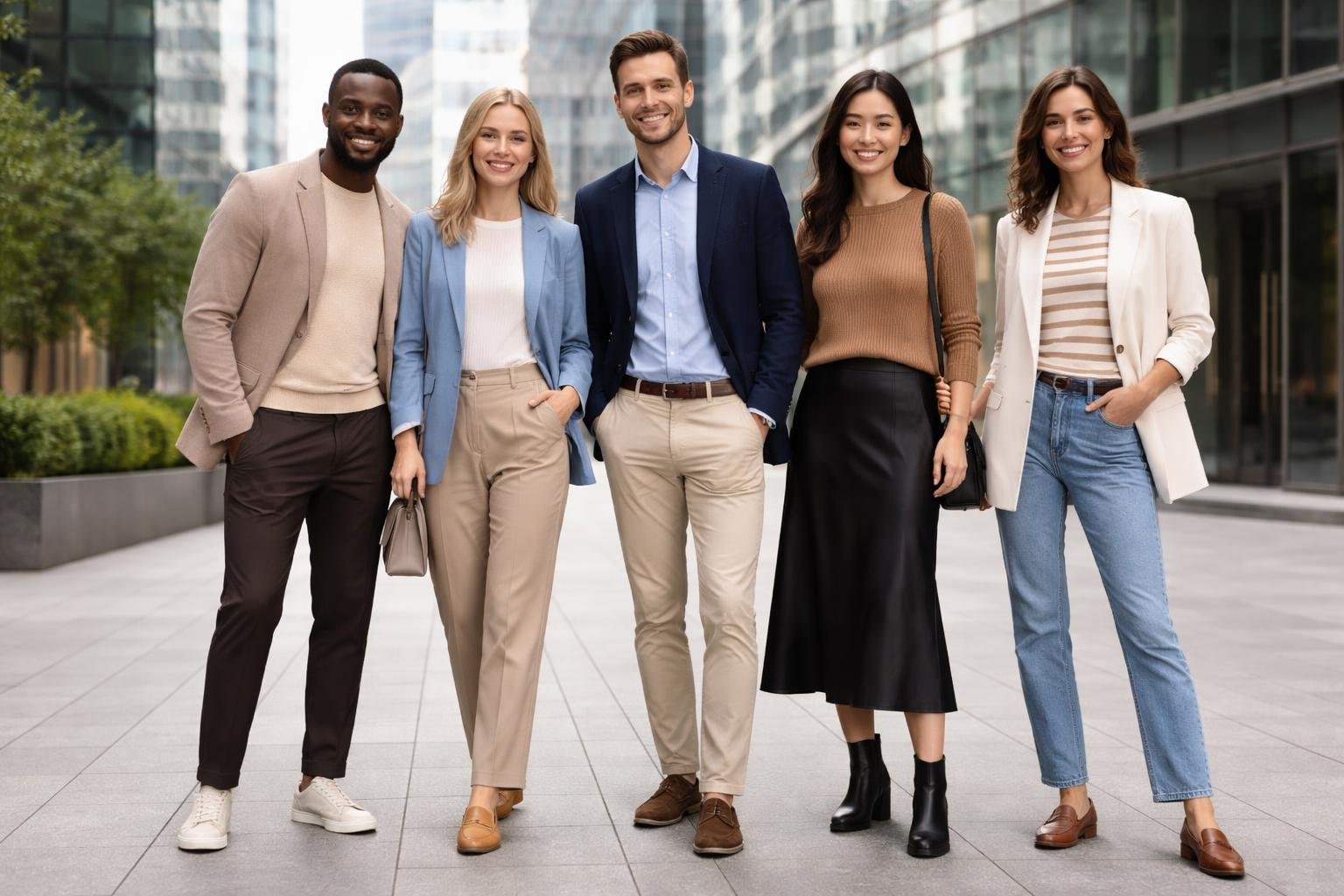
Smart casual sits between formal business wear and weekend clothes, requiring pieces that look intentional without feeling stiff. The right combination of tailored items and relaxed staples creates outfits suitable for work meetings, dinners, or social events where dressing well matters.
Defining Smart Casual: The Balance of Relaxed and Polished
Smart casual dress code blends structured pieces with comfortable items to achieve a put-together appearance. Unlike business casual, which leans formal, smart casual allows dark jeans, unstructured blazers, and quality knitwear. The key lies in pairing one relaxed element with something polished.
A crisp button-down shirt works with chinos. Dark denim looks appropriate under a black blazer. This dress code requires clothes that fit properly and appear intentional, avoiding anything too casual like trainers, ripped jeans, or graphic t-shirts.
What is smart casual becomes clearer when considering the occasion. Office environments may expect tailored trousers and structured tops. Social gatherings allow midi skirts or quality polo shirts. The smart casual look always maintains neatness whilst avoiding the formality of suits or cocktail dresses.
Essential Pieces for Men: Blazers, Trousers, and Versatile Footwear
Smart casual for men centres on versatile separates that mix and match easily. A navy or grey blazer forms the foundation, working with everything from button-down shirts to simple knitwear. Tailored trousers in neutral colours provide structure, whilst dark jeans offer a relaxed alternative that still looks smart.
Chinos bridge casual and formal, pairing well with both blazers and casual shirts. Quality fabrics matter—lightweight wool, cotton, or linen depending on the season.
Footwear defines the smart casual outfit. Leather loafers suit most occasions, whilst brogues add formality. Clean, minimal trainers work for more relaxed settings, but worn or overly sporty styles don’t fit the dress code. Brown or tan leather shoes offer versatility across different trouser colours.
Core wardrobe pieces for men:
Navy or grey blazer
Tailored trousers (navy, grey, khaki)
Dark denim jeans
Button-down shirts (white, blue, subtle patterns)
Leather loafers or brogues
Quality knitwear
Signature Staples for Women: Dresses, Skirts, and Tailored Layers
Smart casual for women offers more variety whilst maintaining polish. A midi dress in a solid colour or subtle print works for numerous occasions. Midi skirts pair with tucked blouses or fitted knitwear, creating balanced proportions. Dark jeans become smart casual when worn with structured tops and proper footwear.
Blazers remain essential, but women can also layer with tailored cardigans or structured jackets. A black blazer works over dresses, with trousers, or atop smart jeans. Quality fabrics elevate simple pieces—silk blouses, merino wool, or structured cotton all signal intentional dressing.
Smart casual shoes for women include ankle boots, loafers, ballet flats, block heels, or heeled mules. Sandals work in warmer weather if they look refined rather than beachwear. The footwear should complement the outfit’s formality level.
Essential items for women:
Midi dress or midi skirt
Tailored trousers
Dark jeans
Crisp button-down shirt
Black blazer
Ankle boots or leather loafers
Building a Functional Smart Casual Wardrobe
A smart casual wardrobe requires fewer pieces than expected when each item works multiple ways. Start with neutral colours—navy, grey, black, white, and beige—then add accent colours that suit personal style. Three pairs of trousers or bottoms, four tops, two blazers or jackets, and two pairs of shoes create numerous outfit combinations.
Quality matters more than quantity. Well-made pieces last longer and look better. A properly fitted blazer improves any smart casual outfit, whether paired with jeans or tailored trousers. Accessories like leather belts, simple watches, or structured bags complete the look without overwhelming it.
Smart casual attire adapts to seasons. Summer allows lighter fabrics and loafers without socks. Winter needs layering with knitwear under blazers. Transitional weather suits unstructured blazers over long-sleeve shirts. The smart casual style remains consistent: intentional, clean, and balanced between formal and relaxed.
Confident Outfit Ideas and Transitional Styling for Every Scenario
Getting dressed shouldn’t feel like solving a puzzle, whether it’s for a smart casual event, an important meeting, or unpredictable weather. The right combination of quality fabrics, structured pieces, and clever layering makes any scenario manageable.
Five Outfits That Look Effortlessly Put Together
A black blazer paired with dark denim and a crisp button-down creates a foolproof formula. This combination works for nearly any occasion when someone needs to appear organised without much effort.
Option 1: The Classic Blazer Look
Black blazer
Dark jeans
White crisp button-down
Ankle boots or loafers
Option 2: The Midi Dress Solution
A midi dress with ankle boots removes all guesswork. Adding a cardigan or unstructured blazer provides extra polish when needed.
Option 3: Tailored Trousers and Structured Tops
Tailored trousers with a structured top in quality fabrics look intentional. Ballet flats or block heels complete the outfit without adding complexity.
Option 4: Smart Casual for Men
Chinos, a crisp button-down, and an unstructured blazer work together seamlessly. Loafers or boots finish the look.
Option 5: The Midi Skirt Approach
A midi skirt paired with a tucked-in top and ankle boots creates instant sophistication. A blazer adds structure when temperatures drop.
What to Wear When Meeting Your Partner’s Parents
Meeting a partner’s parents requires balancing personal style with appropriate dressing. The goal is to appear respectful without abandoning individuality.
Smart casual for women might include a midi dress with ankle boots and minimal accessories. A black blazer over tailored trousers with a quality knit top also works well. These outfits feel polished without trying too hard.
For men, chinos paired with a crisp button-down and an unstructured blazer strikes the right balance. Dark denim can substitute for chinos if the blazer and shirt maintain the smart casual standard. Loafers or boots complete the outfit appropriately.
Accessories should stay simple. A watch, small earrings, or a leather bag adds personality without overwhelming the outfit. Quality fabrics like wool or cotton demonstrate care without appearing overly formal.
Transitional Weather Survival: Layering for Freezing Mornings and Warm Afternoons
Transitional weather demands versatile pieces that adapt throughout the day. The key is choosing items that layer easily and look intentional when removed.
Start with a base of dark jeans or tailored trousers and a structured top. Add a cardigan or blazer that can be removed when temperatures rise. An oversized blazer provides warmth without bulk and works over most base layers.
Essential Transitional Pieces:
Blazers: Provide structure and warmth
Cardigans: Easy to remove and carry
Crisp button-downs: Work alone or layered
Quality knitwear: Breathable but warm
Footwear matters in transitional weather. Ankle boots work across temperatures, whilst ballet flats or loafers suit milder afternoons. Avoid sandals in the morning chill and heavy boots for warm afternoons.
Neutral colours keep layered outfits coordinated. A camel coat over grey knitwear and dark denim creates cohesion without requiring much thought. This approach allows someone to add or remove layers whilst maintaining a pulled-together appearance throughout changing conditions.
A green utility jacket stands as one of the most practical items anyone can own. It works across seasons and suits many different occasions. This simple piece offers more styling options than most people realise.
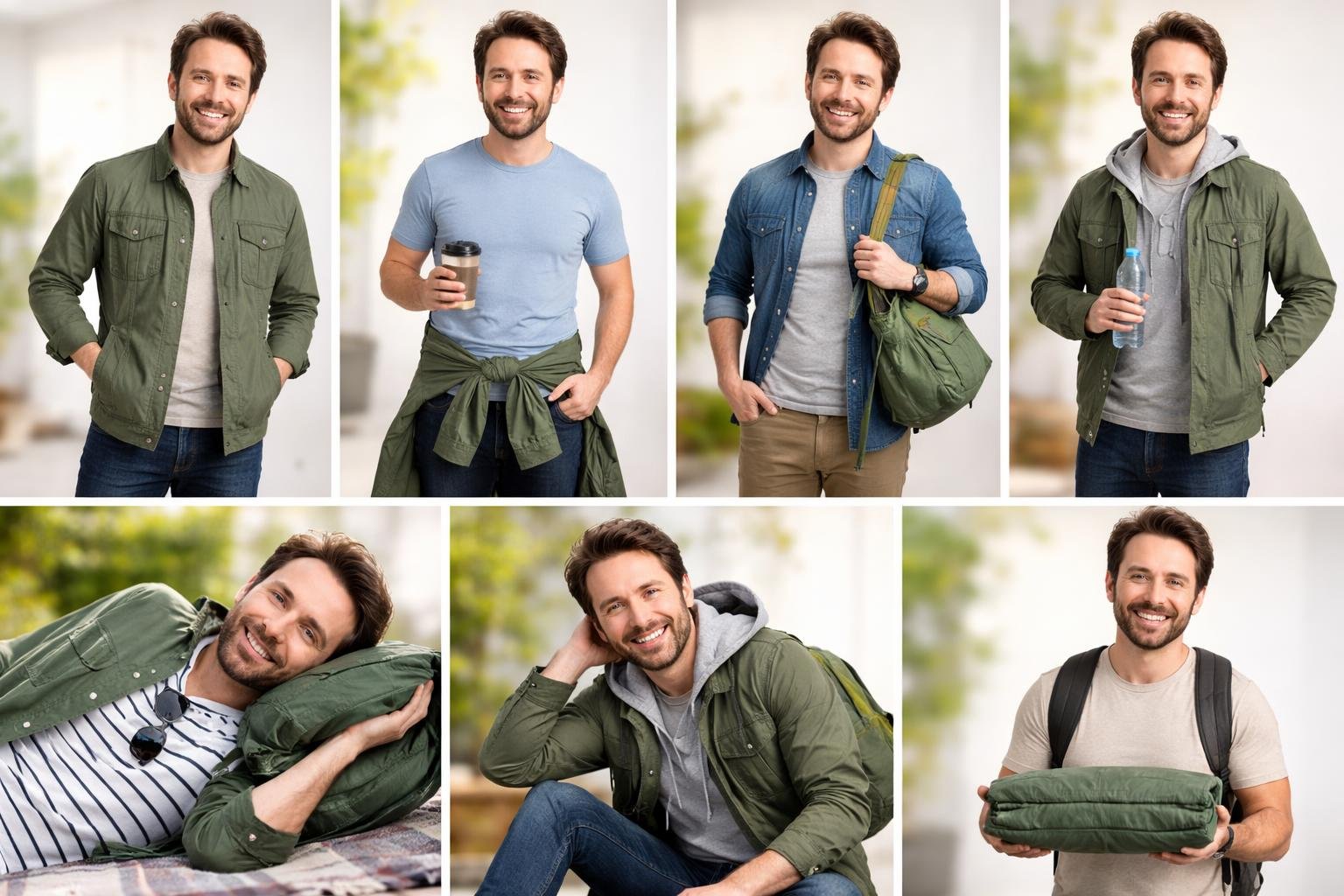
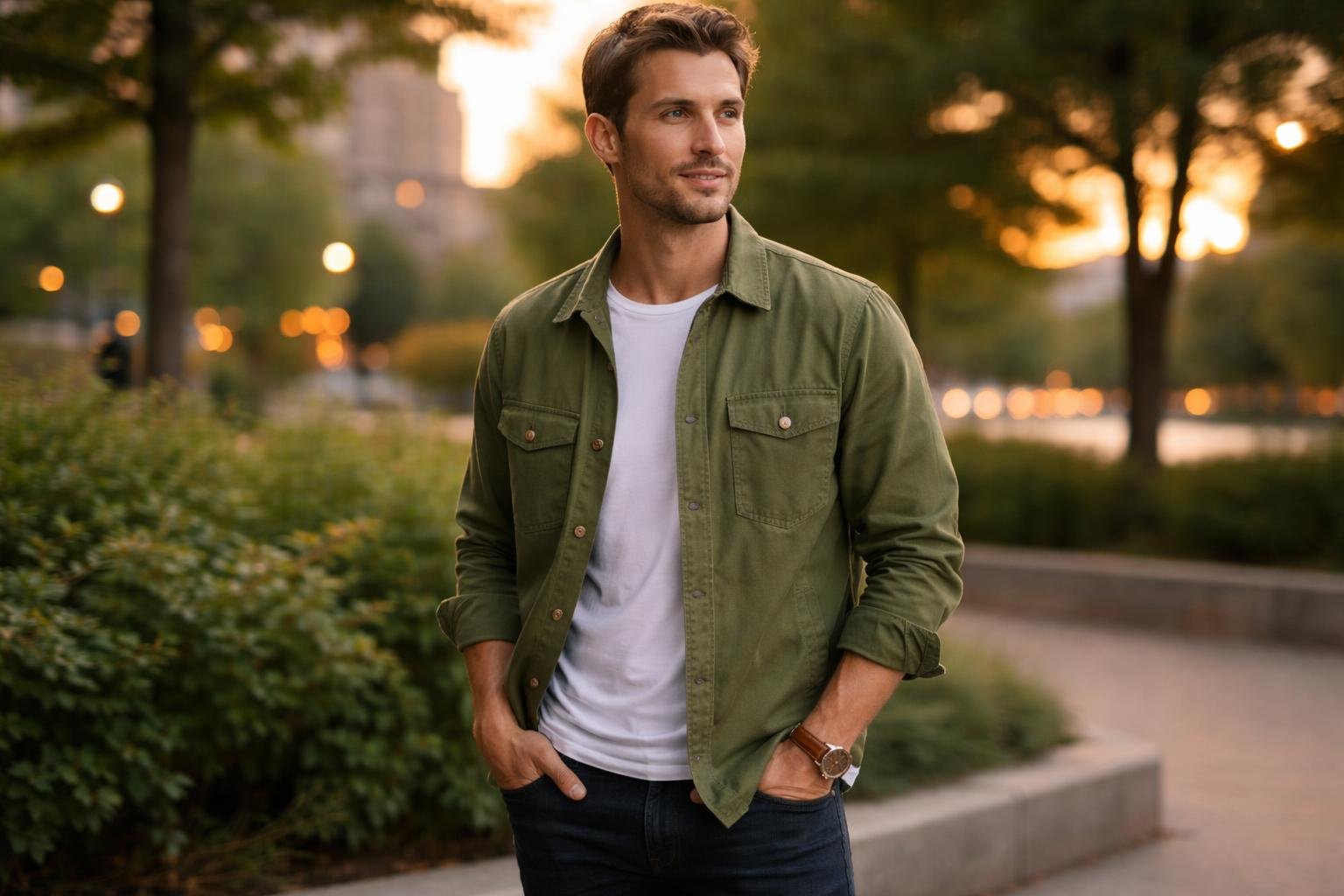
Charlie Day’s relaxed approach to dressing shows how a green utility jacket can become a go-to item in any wardrobe. The jacket works for casual spring days, smart autumn outings, and everything in between. It pairs well with basics like t-shirts and jeans whilst also adding interest to dresses and more polished pieces.
This guide explores seven distinct ways to wear a green utility jacket throughout the year. From outdoor adventures to evening drinks, the jacket adapts to fit different needs and settings.
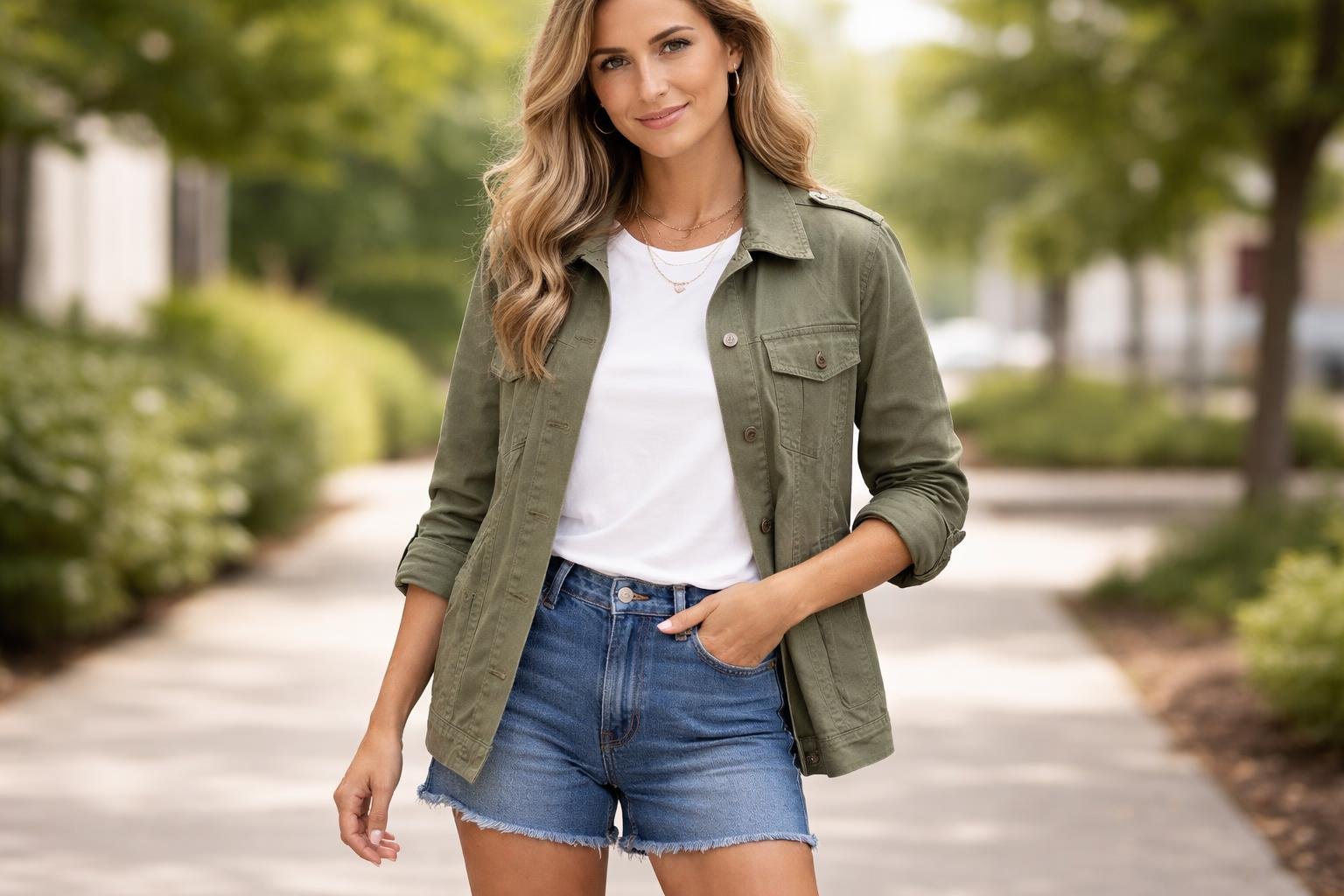
1) Layer over a white cotton tee and denim shorts for a casual spring look
A white cotton tee and denim shorts create a classic foundation for spring. This combination works well because both pieces are versatile staples that most people already own.
Adding a green utility jacket transforms this simple outfit into something more put-together. The jacket provides warmth during cooler spring mornings whilst keeping the look relaxed. The military-inspired details on a utility jacket add visual interest without requiring extra accessories.
This layered approach suits various spring activities. It works for weekend errands, casual lunches, or outdoor events. The outfit strikes a balance between practical and stylish.
The green colour of the utility jacket pairs naturally with denim blue and white. These neutral tones complement each other without clashing. Someone can wear this combination repeatedly by swapping different styles of white tees or denim shorts.
The jacket can be left open for a more casual appearance or buttoned up when temperatures drop. Rolling up the sleeves creates a different silhouette that suits warmer afternoons. This flexibility makes the outfit suitable for changeable spring weather.
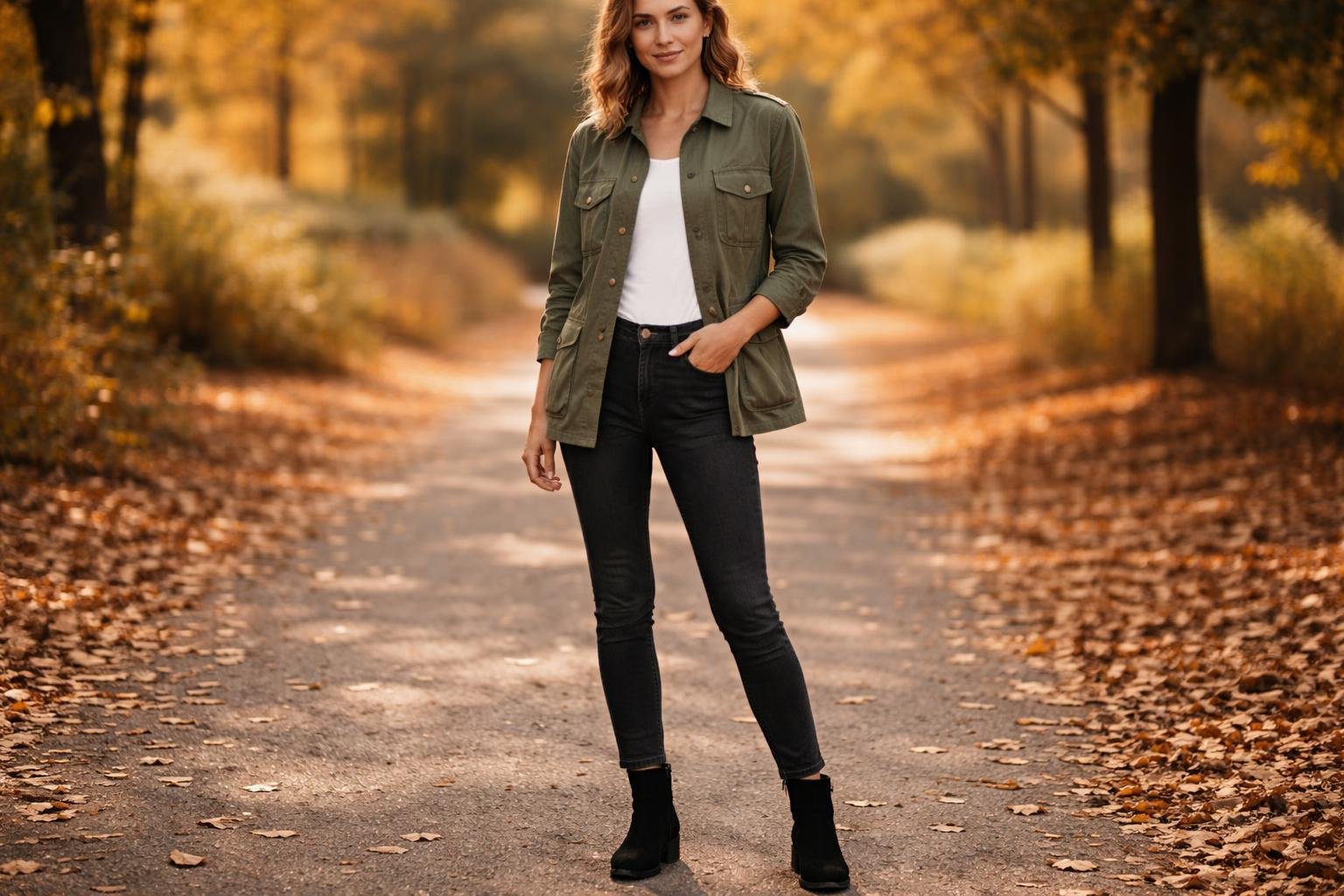
2) Pair with slim black jeans and ankle boots for a smart-casual fall outfit
A green utility jacket works perfectly with slim black jeans and ankle boots for autumn days. This combination creates a balanced look that works for casual Friday at the office or weekend outings.
Slim black jeans provide a clean base that lets the utility jacket stand out. The dark denim creates a long line down the leg, which pairs well with ankle boots without adding bulk. This silhouette keeps the outfit looking put-together rather than too casual.
Ankle boots in leather or suede complete the smart-casual feel. Black boots keep the look streamlined, whilst brown or tan options add warmth. The boots should sit just above the ankle bone, with the jeans either tucked in or sitting just over the boot shaft.
This outfit works for various occasions throughout autumn. Add a simple tee or fitted jumper underneath the jacket to adjust for temperature. A crossbody bag and minimal jewellery keep the look refined without trying too hard.
3) Wear as a lightweight layering piece on cool summer evenings
Summer temperatures can shift dramatically once the sun sets. A green utility jacket provides the perfect solution for those cooler evening hours without adding bulk to an outfit.
The lightweight cotton or cotton-blend fabric of most utility jackets offers just enough warmth for outdoor dining or evening walks. The wearer can simply drape it over their shoulders or slip it on when needed. This practical approach keeps the chill at bay whilst maintaining a relaxed summer aesthetic.
Charlie Day often pairs his casual layers with simple basics underneath. Following this approach, one can wear the jacket over a plain white t-shirt and shorts or with a summer dress. The military-inspired design adds visual interest to otherwise simple warm-weather clothes.
The jacket works particularly well in situations with unpredictable temperatures. Indoor spaces with strong air conditioning require extra coverage, and the utility jacket serves this purpose without looking out of place. When temperatures rise again, the wearer can tie it around their waist or toss it over their arm. This versatility makes the green utility jacket an essential piece for summer evenings.
4) Combine with neutral-toned chinos and a simple blouse for effortless style
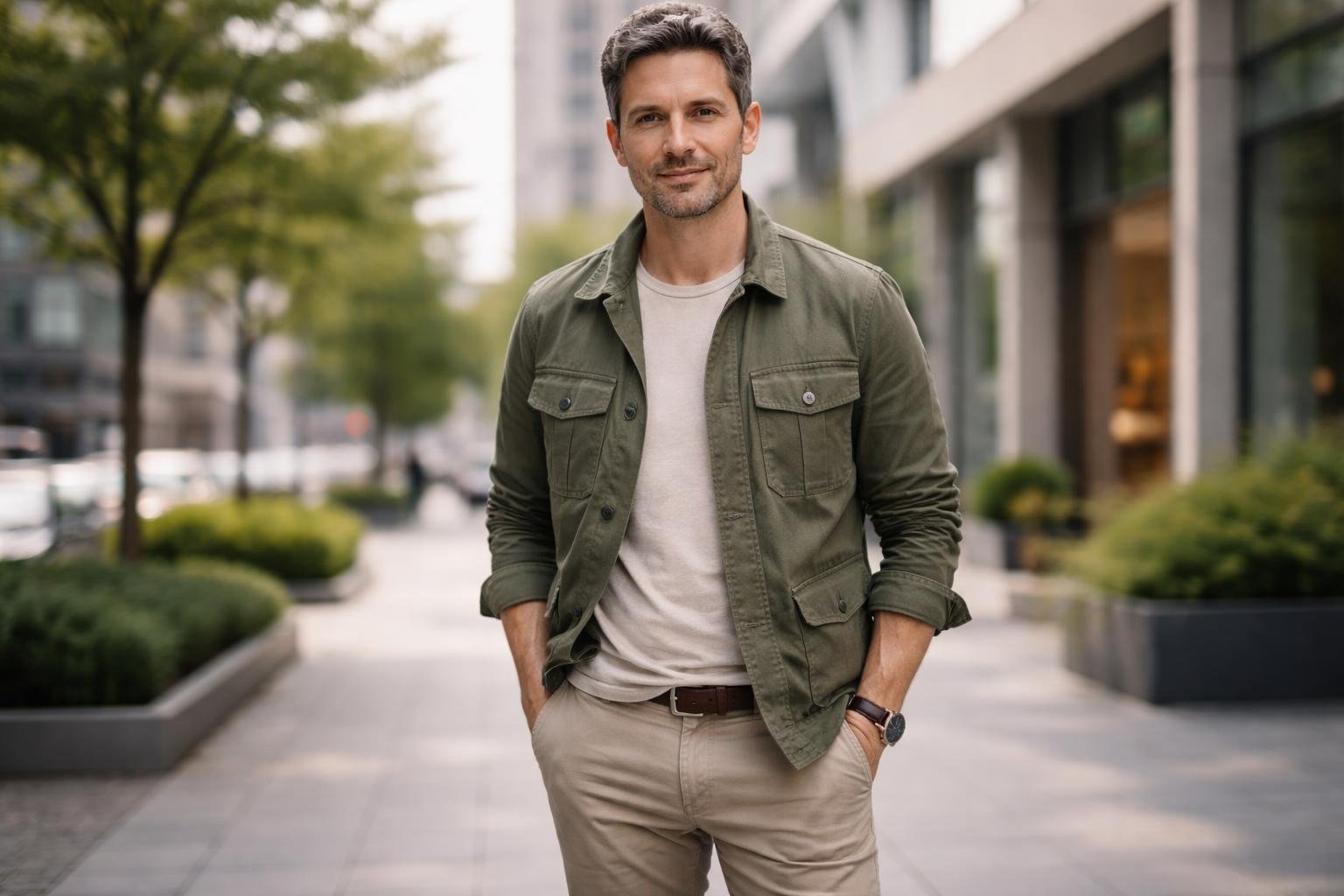
A green utility jacket pairs beautifully with neutral-toned chinos for a polished yet relaxed outfit. Beige, cream, or grey chinos work particularly well as they allow the jacket to stand out without competing for attention.
Adding a simple blouse creates a clean, put-together look. A white or cream blouse offers a classic foundation that complements both the jacket and chinos. The blouse can be worn tucked in for a more tailored appearance or left untucked for casual comfort.
This combination works well for various occasions. It suits weekend outings, casual workplace environments, or relaxed social gatherings. The neutral palette keeps the outfit versatile and easy to accessorise.
For footwear, brown leather boots or white trainers complete the look depending on the desired level of formality. A simple crossbody bag in tan or brown adds practicality without disrupting the cohesive colour scheme.
The beauty of this outfit lies in its simplicity. The neutral chinos ground the look whilst the green jacket adds visual interest. The blouse softens the utilitarian nature of the jacket, creating balance between casual and refined.
5) Use as a functional jacket with multiple pockets when exploring outdoors
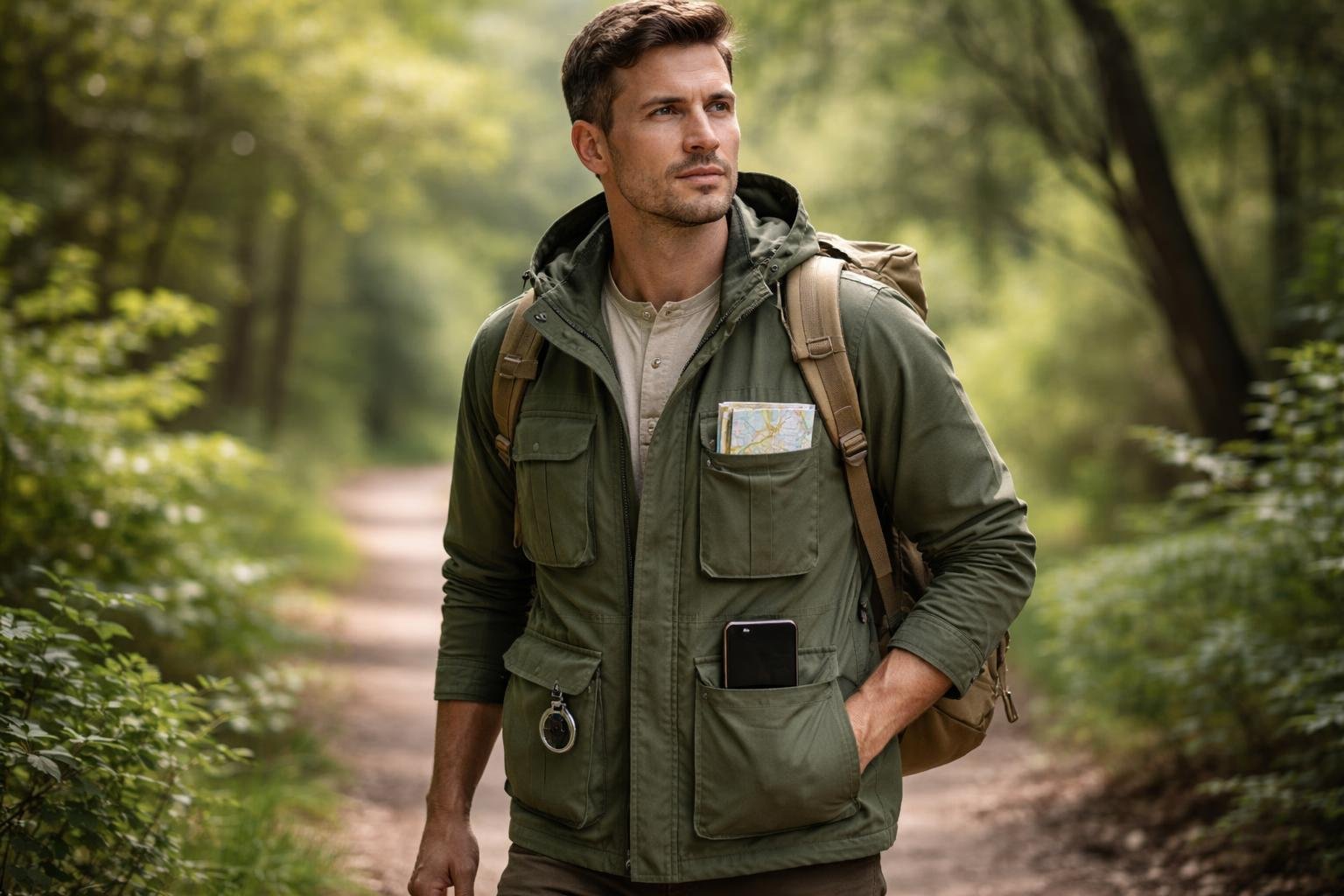
A green utility jacket serves as an excellent companion for outdoor exploration thanks to its practical pocket design. The multiple pockets allow adventurers to organise and access essential items quickly without needing to carry an additional bag.
These jackets typically feature various pocket sizes and placements. Larger pockets can hold items like maps, water bottles, or snacks, whilst smaller ones keep important belongings like keys and phones secure.
The hands-free convenience proves particularly valuable when hiking or walking through nature. Instead of stopping to rummage through a rucksack, one can simply reach into a jacket pocket for a compass, camera, or energy bar.
The durable fabric construction common in utility jackets protects both the wearer and their belongings from outdoor elements. Many feature weather-resistant materials that shield contents from light rain or dust.
Charlie Day’s signature green utility jacket style demonstrates how functional outerwear can work for various outdoor activities. Whether exploring trails, visiting parks, or simply walking through town, the multi-pocket design keeps necessities organised and accessible throughout the day.
6) Layer under a cosy scarf and knitwear for added warmth in autumn
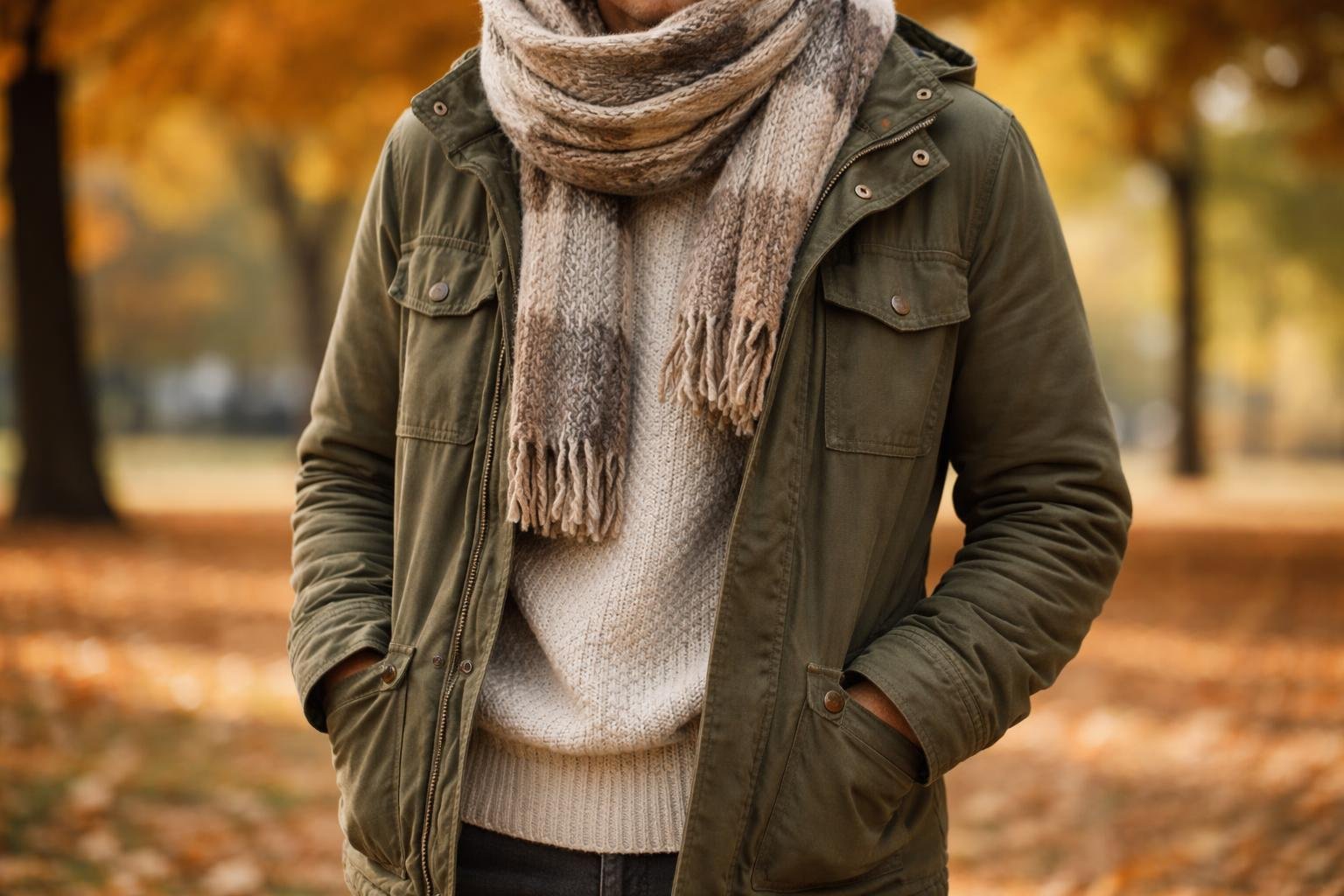
A green utility jacket works brilliantly as a base layer when temperatures drop. The trick is wearing it underneath chunky knitwear and scarves instead of on top.
Start by putting on the utility jacket as the foundation. Then add a wool jumper or cardigan over it. The jacket’s structured shoulders create a polished silhouette whilst adding an extra layer of warmth without bulk.
A wool scarf completes the look. Drape it loosely around the neck or try the classic wrap method for maximum cosiness. The scarf adds both warmth and texture to the outfit.
This layering approach keeps the jacket’s practical pockets accessible whilst the knitwear provides insulation. The green colour peeks through at the collar and cuffs, adding visual interest to neutral-toned jumpers.
The combination works particularly well for autumn when morning chill gives way to milder afternoons. Simply remove the outer layers as needed whilst keeping the jacket on. This styling method transforms the utility jacket from a standalone piece into a versatile layering essential that extends its usefulness throughout the cooler months.
7) Style over a midi dress to add a subtle edge to feminine attire
A green utility jacket transforms a midi dress from purely feminine to effortlessly cool. This pairing works because the structured, practical jacket contrasts with the softer lines of a dress.
The combination suits various occasions. For casual outings, one can layer the jacket over a jersey or cotton midi dress with white trainers. This creates a relaxed look that’s perfect for weekend errands or coffee dates.
The styling works equally well for slightly dressier settings. Pairing the jacket with a satin or flowing midi dress and ankle boots adds an unexpected twist to evening wear. The utility jacket’s military-inspired details provide just enough edge without overwhelming the outfit.
This look balances masculine and feminine elements naturally. The jacket’s pockets, zips, and structured shoulders offset the midi dress’s graceful silhouette. One can leave the jacket open to show the dress or button it partially for more definition.
The green colour adds versatility. It complements floral prints, solid colours, and patterned midi dresses alike. This styling approach requires minimal effort whilst delivering maximum impact.
Understanding Charlie Day’s Signature Aesthetic
Charlie Day’s style centres on relaxed, practical pieces that work for everyday wear without looking overly planned. His approach favours comfort and functionality whilst maintaining a put-together appearance through layering and versatile staples.
Key Elements of Effortless Urban Style
Charlie Day’s wardrobe reflects an unpretentious approach to dressing. His style relies on basic layers like plain t-shirts, well-fitted jeans, and casual button-up shirts in neutral colours. These pieces form the foundation of his look.
The actor frequently opts for earth tones and muted colours rather than bold patterns or bright hues. This creates a cohesive appearance that’s easy to replicate. Grey, navy, olive, and brown appear regularly in his casual outfits.
Layering plays a crucial role in achieving his aesthetic. He combines simple items like hoodies under jackets or flannel shirts over plain tees. This technique adds visual interest without requiring complicated styling choices.
His footwear tends towards practical options like trainers or boots that complement rather than dominate an outfit. The overall effect is accessible and wearable for most people’s daily routines.
Role of the Green Utility Jacket in Casual Outfits
The green utility jacket serves as a versatile outer layer that embodies Day’s practical style philosophy. Its multiple pockets and durable fabric align with the functional aspect of his wardrobe choices whilst the military-inspired design adds subtle visual appeal.
This jacket works particularly well over simple tees and jeans, creating an instantly casual look without appearing sloppy. The olive or army green shade pairs naturally with the neutral tones common in Day’s style approach.
The utility jacket’s structured yet relaxed fit provides shape to casual outfits. It bridges the gap between overly formal and too casual, making it appropriate for various settings from weekend errands to informal social gatherings.
Tips for Coordinating Your Wardrobe
A green utility jacket works best when paired with colours that complement its earthy tone and textures that create visual interest. The right accessories add personality and pull the entire look together.
Matching Colours and Textures
Neutral colours form the foundation for styling a green utility jacket. White, black, grey, and navy all work well as base pieces. These colours allow the jacket to stand as the focal point without competing for attention.
Denim creates a natural pairing with utility jackets. Blue jeans in light, medium, or dark washes complement the green tone. Canvas trainers or leather boots add texture variation that keeps the outfit from looking flat.
For a bolder approach, burgundy, mustard, and brown provide warmth alongside green. These colours share similar undertones that make them easy to combine. A burgundy jumper under a green utility jacket creates depth whilst remaining cohesive.
Texture mixing adds dimension to simple colour pairings. A cotton t-shirt, canvas utility jacket, and twill trousers create subtle variation. Mixing smooth and rough textures prevents the outfit from appearing one-dimensional.
Choosing Accessories for a Distinctive Look
Accessories personalise a utility jacket outfit without overwhelming it. A simple watch with a leather or canvas strap maintains the casual aesthetic. Metal finishes in silver or bronze complement the jacket’s hardware.
Footwear choices significantly impact the overall style. White trainers create a clean, modern look. Brown leather boots add ruggedness. Canvas plimsolls keep things casual and approachable.
Bags should match the utility jacket’s practical nature. Canvas rucksacks, messenger bags, or simple tote bags align with the style. Avoid overly formal briefcases or flashy designer bags that clash with the jacket’s laid-back character.
Small details matter. A knit beanie or baseball cap suits the casual vibe. Sunglasses with simple frames work better than statement pieces. Scarves in complementary colours add warmth during colder months without complicating the outfit.
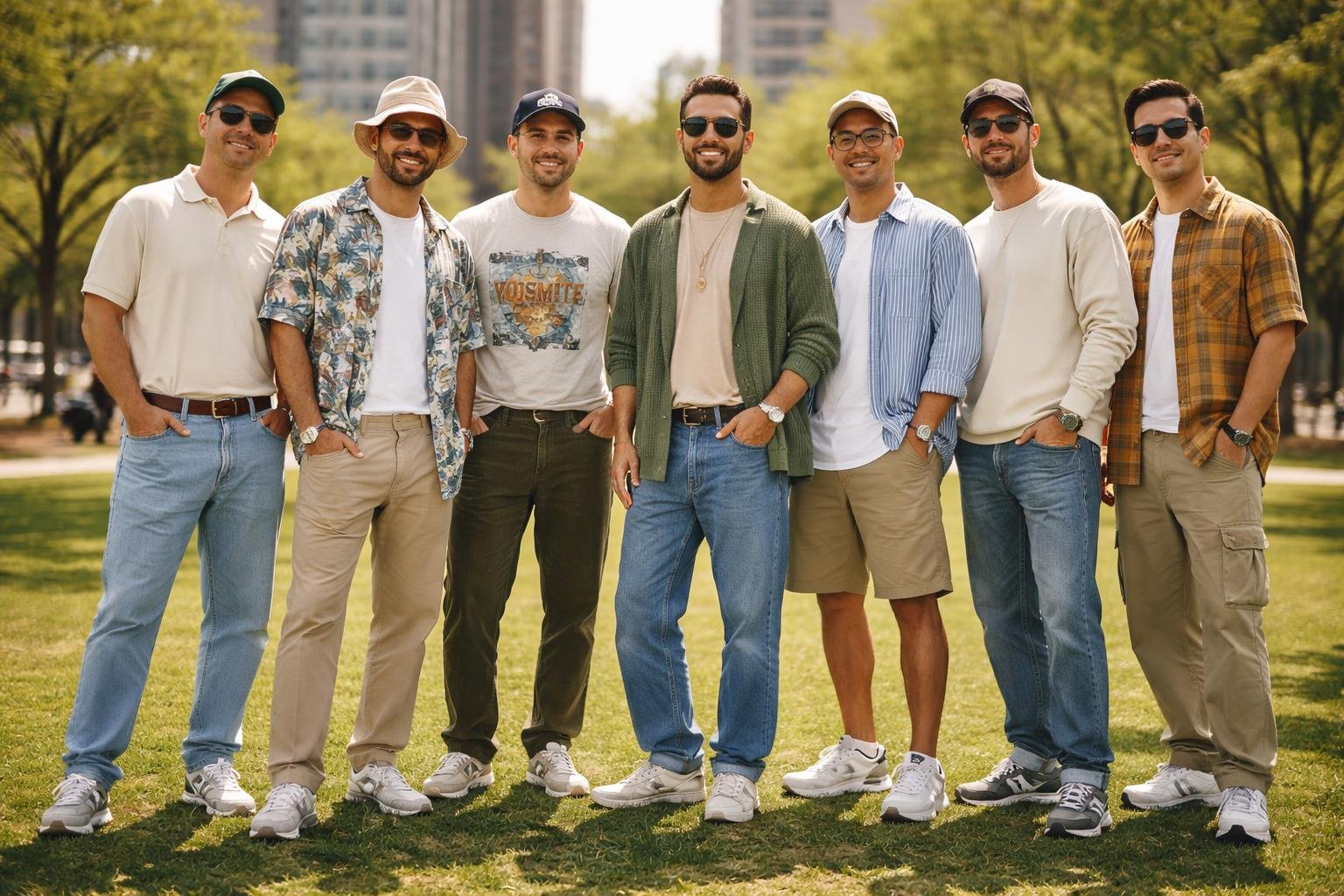
Dadcore’s gone from a running joke to something people genuinely want to wear. It borrows from the practical, comfy clothes dads have rocked for ages—think polos, relaxed trousers, chunky trainers, and cardigans.
What was once kind of dorky or out-of-date is now, well, kind of cool. It’s put-together but never fussy.
The trick to pulling off dadcore is picking the right pieces and striking a balance between comfort and intention, so you look stylish—not like you just grabbed what was clean. Mixing classic dadcore staples with modern fits and cleaner lines keeps things relaxed but not sloppy.
Little tweaks matter, like sticking to neutral colours, layering with structure, or swapping out sporty sandals for leather shoes. Those details add up.
This guide breaks down seven specific ways to build dadcore outfits that feel current and intentional. The focus? Combining practical, comfy pieces in ways that look fresh—definitely not like you’re prepping for a weekend hobby.
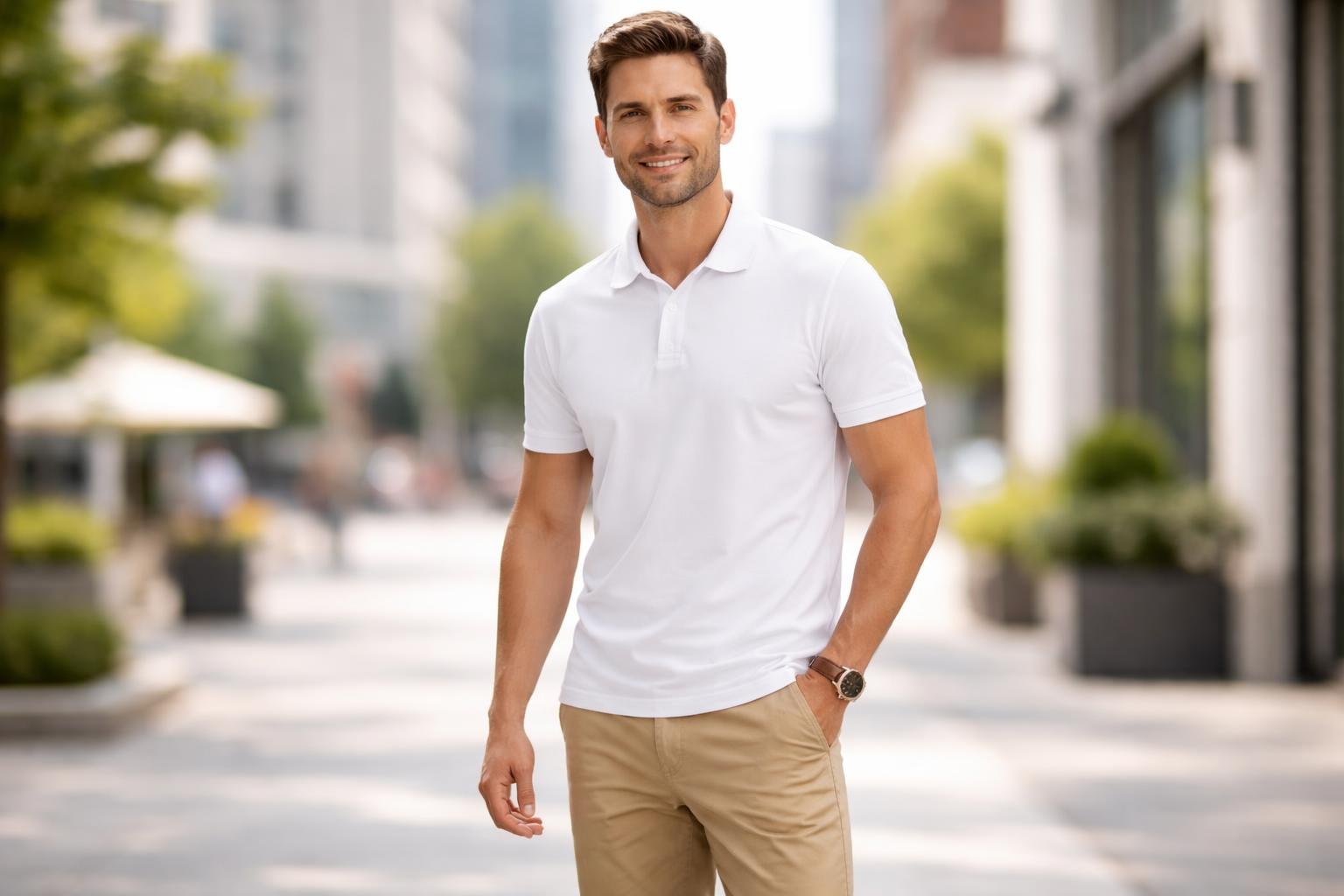
1) Opt for relaxed-fit chinos paired with a crisp white polo shirt for a clean, casual look
Relaxed-fit chinos are the backbone of any approachable dadcore outfit. They’re comfy but don’t look sloppy, and there’s enough room to move.
A crisp white polo brings in a bit of structure without feeling stuffy. This combo just works for errands, casual lunches, or hanging out with friends.
Fit really matters here. Chinos should sit at your natural waist and break just a little at the shoe.
The polo? Not too tight, not too baggy—just right across the shoulders and chest.
Footwear changes the vibe. White trainers make it super casual. Canvas plimsolls are a good swap for a different mood. Leather loafers? They’ll dress things up a notch if you want.
Stick with neutrals to keep it classic. Navy, khaki, or stone chinos all play nicely with white. A slim brown or black belt ties it together without making a big fuss.
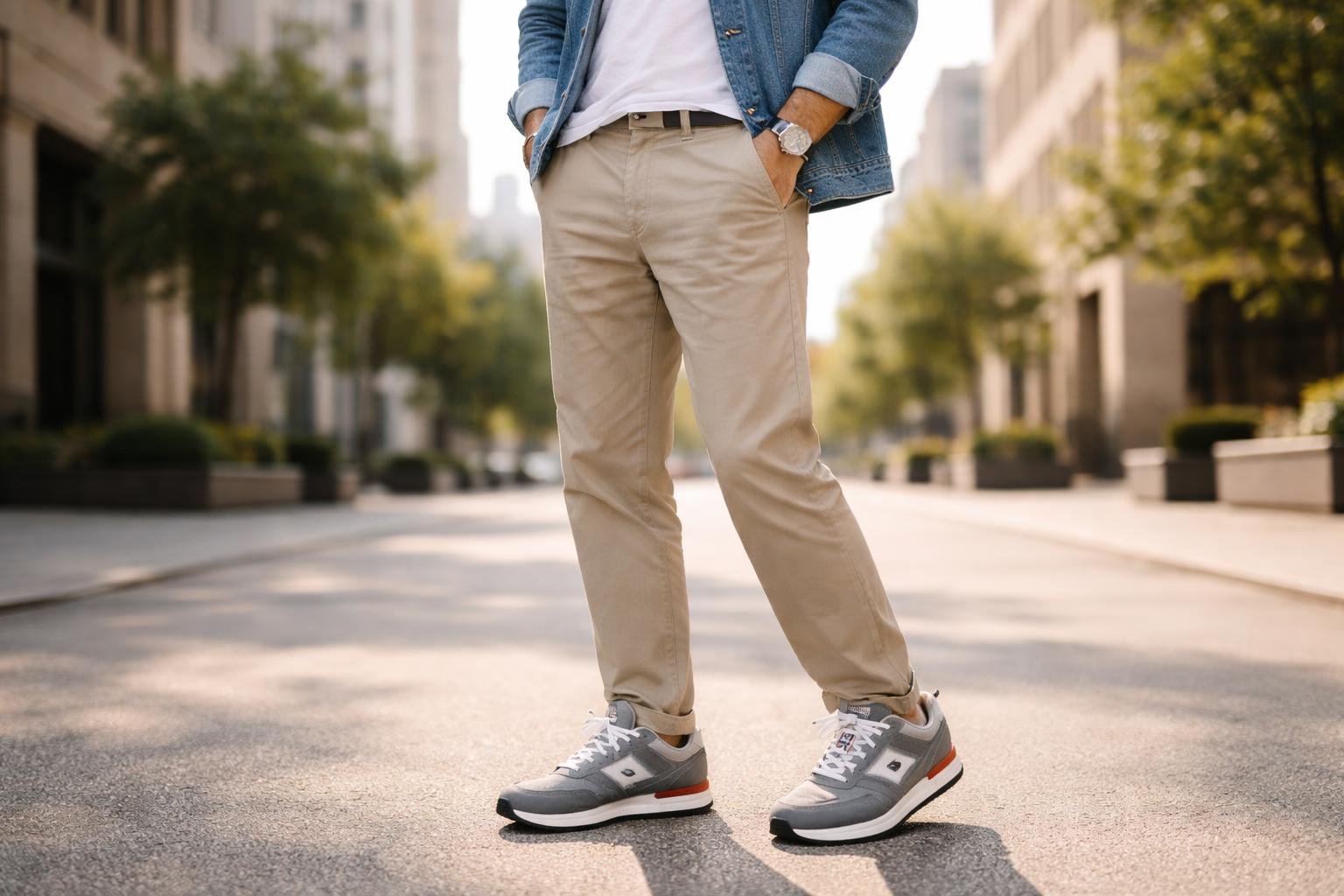
2) Incorporate retro sneakers like New Balance 574 to add authentic dadcore flair
The New Balance 574 is basically the dadcore sneaker. Its retro running vibe and suede-mesh upper nail that throwback look.
These trainers work best as a subtle accent, not the main event. Go for neutral shades like beige, grey, or white and pair them with straight-leg trousers and a simple button-up for an effortlessly cool feel.
Balance is key. The 574’s vintage design brings plenty of dadcore energy, so keep the rest of your outfit sharp to avoid looking like you’re in costume.
If you’re new to this, start with one pair in a versatile colour. You’ll find they go with casual chinos, dark denim, and more.
What’s great is how versatile they are. The 574 bridges athletic and lifestyle, so you can wear them for all sorts of things and still keep that dadcore edge.
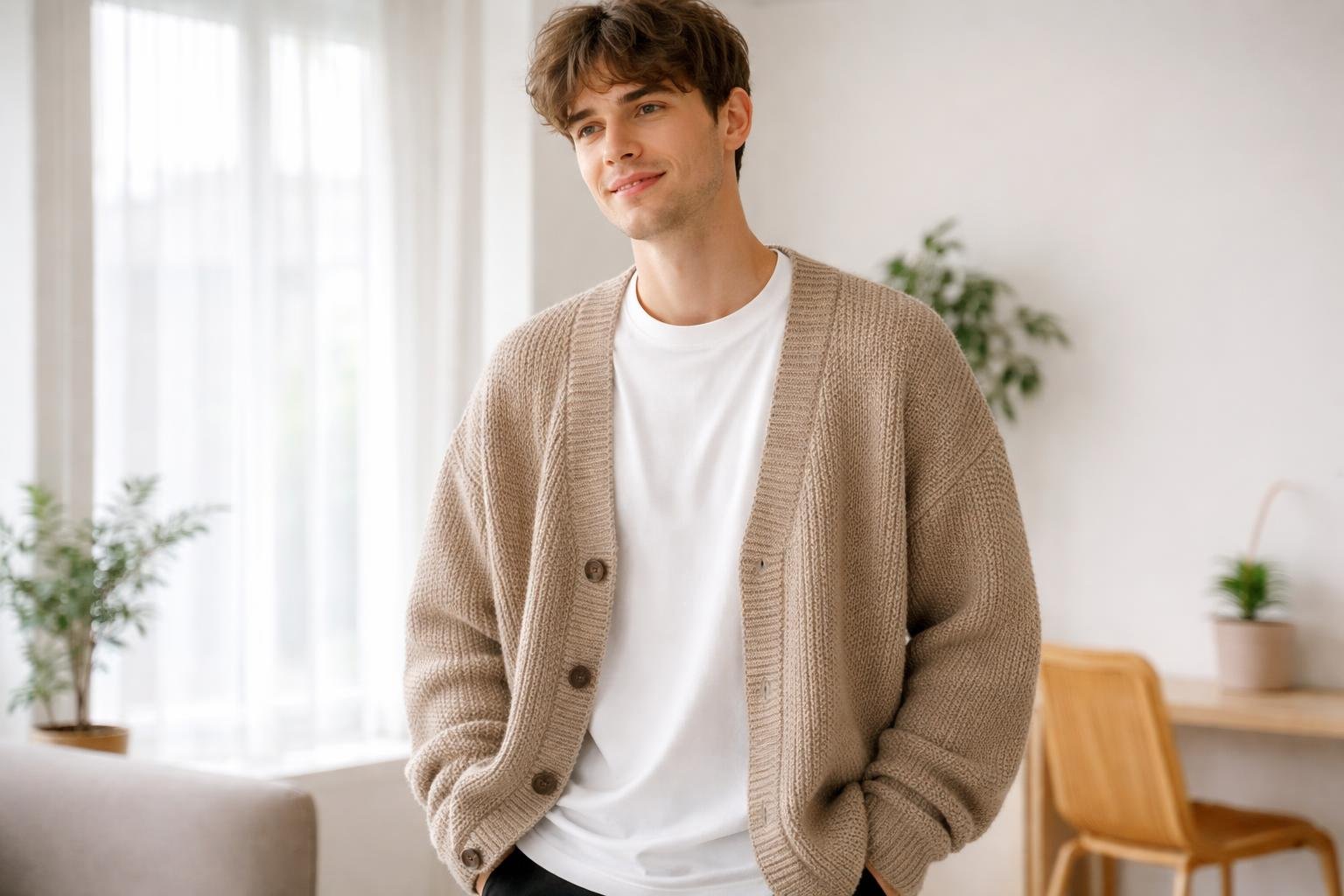
3) Layer a boxy, oversized cardigan over a plain tee for a balanced, approachable style
Throwing an oversized cardigan over a simple t-shirt just works for dadcore. It’s easy, relaxed, but doesn’t look like you’re trying too hard.
Pick a boxy cardigan that sits loose but doesn’t swallow you whole. A plain tee in white, grey, or something muted is the perfect base.
To keep it from looking bulky, pair with slim or straight-leg jeans. That balance in proportions makes a surprising difference.
Leaving the cardigan open keeps things laid-back and lets the tee peek through. On chillier days, buttoning just one or two in the middle can mix it up a bit.
This look is great for errands, coffee runs, or casual hangouts. The oversized cardigan gives that classic dad feel without any real effort.
4) Choose neutral-coloured dad hats instead of bold prints to keep the outfit grounded
Neutral dad hats are the way to go if you want to actually wear dadcore. Black, navy, grey, or beige—these shades blend in and don’t shout for attention.
Bold prints can make things feel a bit like a costume. A simple black or oat dad hat keeps the focus on the outfit, not your head.
Neutrals are just more flexible. They pair well with earthy tones—olive, brown, whatever you’ve got in your closet. A navy dad hat works with jeans and a tee or chinos and a button-up.
Keeping it understated is the move. Neutral hats make the look feel authentic, like you grabbed a hat for sun, not for style points. That’s the whole point, right?
5) Combine loose-fitting jeans with a lightweight, patterned button-down shirt for effortless cool
Loose jeans and a lightweight patterned button-down hit that sweet spot between relaxed and styled. The jeans should sit at your waist—comfortable, not baggy.
A button-down with a subtle pattern adds some interest without getting loud. Think gingham, small florals, or thin stripes. The fabric should drape, not feel stiff.
Fit matters here, too. The shirt should skim your body, not pull or gap at the buttons. With looser jeans, a slightly fitted shirt keeps the silhouette balanced.
This combo works for a lot—weekends, casual days at work, you name it. Roll up the sleeves for a chill vibe, or leave them down if you want things a touch neater.
Trainers or canvas shoes keep it casual, while a watch or simple accessories add just enough detail.
6) Add a tailored blazer with relaxed trousers to modernise the classic dadcore silhouette
A tailored blazer takes dadcore from casual to intentionally sharp. Pair it with loose, comfy trousers to keep that relaxed feel.
The contrast between a structured blazer and relaxed trousers is where the magic happens. Navy or grey blazers work with chinos or wide-leg trousers in neutral shades.
Don’t go too slim on the blazer—a slightly relaxed fit suits dadcore better than something super tight. Trousers should be straight or gently tapered, nothing skinny.
This pairing isn’t just for fishing trips. It’s perfect for casual Fridays at work, weekend meetups, or even low-key parties.
Simple trainers or loafers finish things off without making it too formal. Underneath, stick with a plain tee or a casual button-down to keep it grounded.
7) Wear functional leather loafers or desert boots rather than sporty sandals for a polished finish
Shoes can make or break dadcore. Leather loafers or desert boots give your outfit the polish it needs—no one wants to look like they’re headed for a campsite.
Loafers are great with tailored trousers or relaxed fits. They strike that smart-casual balance and work with almost all dadcore staples. Classic penny loafers in black or brown are easy to style.
Desert boots are another solid choice if you want a slightly rugged edge. They adapt to different outfits and the suede or leather adds a bit of texture.
Sporty sandals? Save those for actual outdoor adventures. They just don’t have the refinement to make dadcore look intentional.
Both loafers and desert boots move easily from casual to semi-formal. Honestly, they’re worth having if you want a wardrobe that’s both practical and stylish.
Understanding the ‘Dadcore’ Aesthetic
Dadcore turns practical, middle-aged dad fashion into something you’d actually choose on purpose. It’s all about comfort with intention.
The trend leans on relaxed fits and functional pieces that feel familiar, not flashy.
Origins and Evolution
Dadcore popped up as a reaction to all the polished, algorithm-driven trends flooding social media. Around 2024, younger folks started embracing the unpretentious wardrobes their dads wore. Suddenly, what used to be “uncool” was a form of style rebellion.
It’s less about chasing luxury and more about celebrating accessible, functional clothes. Inspiration comes from the ‘90s and early 2000s, back when practical ruled.
Gen Z especially loves the nostalgia and the break from performative dressing. Dadcore gives you an alternative to constantly chasing whatever’s trending.
Key Elements of the Trend
Dadcore has a few signature pieces. Relaxed-fit jeans in medium or light washes are the base. Polo shirts, fleece jackets, and practical parkas round out the layers.
New Balance trainers or other chunky sneakers are a must. Add in baseball caps, functional backpacks, and zip-up fleeces. Neutral colours—navy, khaki, grey, white—are everywhere.
Intentionality is everything. Pieces should fit right, not look accidentally oversized. Classic shapes beat dated cuts every time. Dadcore works best when it looks chosen, not just thrown on for convenience.
Integrating ‘Dadcore’ Pieces Into Your Personal Style
Making dadcore work is all about thoughtful mixing, not tossing out your whole wardrobe. Smart styling can turn frumpy into intentionally relaxed.
Balancing Modern and Retro Influences
Blending vintage-inspired pieces with modern ones keeps things from looking stuck in the past. A classic polo works with slim chinos, not baggy trousers. Chunky trainers look better with tapered joggers than with oversized jeans.
Don’t overdo it. Stick to two or three dadcore pieces per outfit. Maybe a windbreaker with fitted black trousers and minimal white trainers. Or oversized dad jeans with a sleek turtleneck and a structured blazer.
Modern accessories help, too. A vintage cap with a contemporary crossbody bag, or classic New Balance trainers with slim-cut trousers—these little updates keep things from feeling like a costume.
Choosing Statement Pieces Wisely
Not every dadcore item needs to take center stage in your outfit. Honestly, it’s best to pick one focal piece and let the rest of your look just support it with neutral, low-key items.
Some of the most popular statement pieces? Well, you’ve got:
Chunky trainers (think New Balance, ASICS)—these work best when the rest of your clothes are pretty streamlined.
Oversized windbreakers—just make sure to pair them with fitted bottoms, otherwise things can get a bit out of hand.
Retro sports jackets—I’d say keep your other layers minimal so the jacket actually shines.
Wide-leg pleated trousers—these look sharp with slim-fit tops, so there’s some balance.
Try not to mix patterns across different pieces. If you’re wearing a patterned polo, it’s probably smart to stick with plain shorts or trousers. And if you reach for a graphic windbreaker, keep the underlayers simple—let the statement piece do the talking.
Quality’s honestly more important than having a bunch of options. Well-made basics in classic shades like navy, khaki, or grey are way more versatile than chasing every new trend or bold pattern.
Fashion for middle-aged men in the UK isn’t about chasing youth or following every trend. It’s about building a wardrobe that reflects personal style, offers comfort, and projects quiet confidence through well-chosen pieces that suit one’s lifestyle. The key lies in understanding what works at this stage of life and making smart choices that balance timeless appeal with modern sensibility.
Getting dressed shouldn’t feel like a puzzle. Middle-aged men benefit from knowing which wardrobe foundations serve them best, how to adapt their style for different settings, and which investments truly pay off. The right approach combines practical advice with an honest look at what flatters and what simply works in day-to-day life.
This guide walks through the fundamentals of dressing well in middle age. From establishing core style principles to selecting versatile pieces, choosing appropriate footwear, and maintaining a polished appearance across different occasions, these insights help create a wardrobe that feels both effortless and intentional.
Essential Style Principles for Middle Aged Men
Looking good in middle age requires understanding a few key principles that work regardless of personal style preferences. The right fit transforms ordinary pieces into polished looks, whilst combining classic items with modern touches keeps wardrobes relevant without appearing dated.
Importance of Fit and Tailoring
Clothes that fit properly make the biggest difference to any outfit. As body shapes change over time, men need to adjust their sizing choices rather than sticking to what worked in their 30s.
Taking multiple sizes into the fitting room helps identify the best option. A shirt might need sizing up for comfort across the chest, even if that means sleeves require shortening. Trousers that fit at the waist but look baggy elsewhere can be taken in at the back seam.
Common alterations include:
Shortening sleeves on shirts and jackets
Taking in waist seams on trousers
Adjusting trouser length
Tapering shirt sides for a better fit
Setting aside part of the clothing budget for tailoring makes sense. Even casual items like overshirts and chinos benefit from proper alterations. Men should always sit down when trying on shirts to check buttons don’t pull across the stomach, and trousers remain comfortable.
Balancing Classic and Modern Looks
Mixing formal and casual pieces creates outfits that feel current without looking like someone’s trying too hard. When everything skews too formal, the result looks dated. When everything’s too casual, it appears juvenile.
Dark jeans paired with an unstructured blazer works better than extremely ripped denim with a stiff double-breasted jacket. Smart trainers in neutral leather suit tailored trousers more than bright sports trainers do. A denim shirt under a flannel trouser looks modern, as does a fine-knit jumper replacing a shirt under a blazer.
Updating one element at a time prevents outfits from feeling costume-like. A man might swap his usual blue jeans for ecru ones in the same cut, or try a jacquard overshirt instead of his standard check. This approach to classic menswear keeps wardrobes fresh without requiring complete overhauls.
Smart Colour and Pattern Choices
The right colours near the face help smooth out shadows and draw attention to eyes. Navy offers a softer alternative to black for fashion for men over 50, working better with other colours and creating less harsh contrast.
Even men who prefer neutral wardrobes can add colour through accessories. Coloured socks, pocket squares, or scarves lift outfits without feeling overwhelming. When combining colours, toning works better than exact matching—using lighter or darker shades of the same colour looks more natural.
A pink Shetland jumper with beige chinos creates interest whilst remaining wearable. Dark brown serves as a contemporary alternative to black. Pattern choices follow similar logic: trying a more adventurous jacquard in a familiar shirt style feels less risky than changing multiple elements simultaneously.
Building a Versatile Wardrobe
A versatile wardrobe relies on carefully selected pieces that work together across different occasions and seasons. The focus should be on quality staples, fabrics that last, and smart combinations that create multiple outfit options from fewer items.
Core Wardrobe Staples
Middle-aged men need foundational pieces that form the backbone of their wardrobe. A crisp white dress shirt works for both formal meetings and casual weekends when paired with different trousers. Navy and charcoal blazers offer flexibility for work events and social gatherings.
Tailored chinos in neutral colours like navy, beige, and grey are essential. They bridge the gap between smart and casual wear effectively.
Dark denim jeans in a straight or slim fit provide a modern look without appearing dated. Choose styles without excessive fading or distressing for a more mature appearance.
A well-fitted suit in navy or charcoal handles formal requirements. Leather shoes in brown and black, including oxfords and loafers, complete the essential footwear collection. These pieces create a foundation that handles most situations a middle-aged man encounters.
Choosing Quality Fabrics
Quality fabrics improve both comfort and longevity. A cashmere sweater offers warmth without bulk and lasts for years with proper care. Merino wool provides breathability and naturally resists odours, making it ideal for both sweaters and suits.
Cotton remains the standard for shirts, but Egyptian or Pima cotton offers better durability and feel. Linen works well for summer months, though it wrinkles easily.
Wool blends in trousers combine structure with comfort. They hold their shape better than pure cotton and resist wrinkles during wear. Leather shoes made from full-grain leather develop character over time rather than deteriorating.
Higher-quality fabrics cost more initially but require fewer replacements. They also look better as they age, unlike cheaper alternatives that show wear quickly.
Mixing and Matching Outfits
Classic menswear principles make mixing pieces straightforward. A navy blazer pairs with grey trousers for meetings, then works with dark jeans for dinner. The same white shirt transitions from suit combinations to casual looks with chinos.
Neutral colours form the base of successful mixing. Navy, grey, beige, and white work together without clashing. Add one accent colour through a jumper or accessories to create interest.
Layer pieces to extend outfit options. A cashmere sweater over a collared shirt adds warmth and style. Remove the blazer from a suit to create a smart-casual look with just the trousers and a different shirt.
Three pairs of trousers, five shirts, two blazers, and three jumpers create numerous combinations. This approach reduces wardrobe size whilst increasing practical options for daily wear.
Key Outfits and Style Ideas
Middle-aged men can build a versatile wardrobe around a few reliable outfit formulas that work for different occasions. These combinations focus on fit, quality fabrics, and pieces that blend traditional menswear with current sensibilities.
Smart Casual Combinations
Smart casual strikes the balance between polished and approachable. A navy blazer paired with a fitted crew-neck t-shirt in grey or white creates a refined base that works for social gatherings or casual dinners. Light chinos in beige or stone provide comfort whilst maintaining a tailored appearance.
Leather loafers in brown or burgundy elevate this ensemble without making it feel overly formal. For cooler months, a cashmere sweater in charcoal or navy can replace the t-shirt, adding warmth and luxury. Dark indigo jeans offer an alternative to chinos, particularly when paired with a light grey blazer.
A simple formula includes a crisp Oxford shirt in white or pale blue, rolled at the sleeves for ease. Add dark trousers and suede desert boots for a look that transitions from daytime errands to evening drinks. A slim leather belt in black or brown keeps everything neat.
Elevated Weekend Looks
Weekend dressing should prioritise comfort without sacrificing style. A quality polo shirt in navy or olive green pairs well with tailored shorts in khaki or grey during warmer months. Boat shoes provide a relaxed finish, particularly for coastal settings or summer gatherings.
For autumn weekends, a soft wool jumper in burgundy or forest green sits well over a white henley. Black denim jeans ground the look, whilst brown Chelsea boots add structure. A tan corduroy jacket brings texture and warmth for outdoor activities.
The key to weekend dressing lies in choosing pieces that feel relaxed but intentional. A plaid flannel shirt over a plain t-shirt works with dark jeans and grey trainers. A lightweight bomber jacket in black or navy adds versatility, working equally well over casual shirts or knitted tops.
Monochrome and Minimalist Ensembles
Monochrome outfits create visual cohesion whilst simplifying wardrobe decisions. A black crew-neck t-shirt paired with black tailored trousers and black leather loafers forms a sleek foundation. This approach works particularly well for fashion for men over 50, as it draws attention to fit rather than competing patterns.
Grey offers similar benefits with added softness. A grey wool blazer over a charcoal v-neck shirt, combined with dark grey trousers, maintains sophistication without harsh contrasts. Navy provides another monochrome option, pairing a navy cardigan with navy chinos and white trainers for contrast.
Minimalist dressing relies on quality basics and proper fit. A white button-down shirt with slim-fit navy trousers creates clean lines. Black oxford shoes complete the look, whilst a simple silver watch adds subtle detail.
Vintage Inspiration with Modern Twists
Vintage pieces bring character when balanced with contemporary fits. A tweed blazer in muted tones pairs with modern slim-cut dark trousers rather than traditional wide-leg styles. A light denim shirt underneath softens the formality whilst brown brogues maintain classic appeal.
A vintage leather bomber jacket from the ’70s works over a fitted white shirt and dark indigo jeans. The key lies in keeping one element vintage whilst ensuring the rest reflects current proportions. Houndstooth blazers gain fresh appeal when worn with black turtlenecks and slim grey trousers.
Corduroy makes a return in more fitted silhouettes. A tan corduroy jacket over a simple crew-neck jumper, paired with black jeans, nods to heritage without appearing dated. Brown leather boots with clean lines complete this blend of old and new.
Footwear and Accessories for Polish
The right footwear and accessories elevate a middle-aged man’s appearance from casual to refined. Quality leather shoes form the foundation, whilst well-chosen ties, pocket squares and outerwear complete the polished look.
Choosing Quality Leather Shoes
Investing in quality leather shoes transforms any outfit. Derby shoes in charcoal or tan work well with both suits and smart casual trousers. These classic styles feature open lacing systems that accommodate wider feet comfortably.
Leather loafers offer versatility for warmer months and less formal occasions. Choose full-grain leather in brown or burgundy shades that develop character over time. Boat shoes suit weekend activities but should remain separate from office wear.
Middle-aged men benefit from shoes with proper arch support and cushioned footbeds. Look for Goodyear welted construction, which allows for resoling and extends the shoe’s lifespan considerably. Rotate pairs seasonally to prevent excessive wear.
Essential maintenance practices:
Apply waterproof spray to protect leather from British weather
Store shoes with cedar inserts to control moisture
Polish regularly to maintain the leather’s appearance
Resole quality shoes rather than replacing them
Avoid overly trendy designs. Stick with timeless styles in neutral colours that pair with multiple outfits.
Ties, Pocket Squares and Subtle Accessories
Ties and pocket squares add personality without overwhelming an outfit. Silk ties in solid colours or subtle patterns work for professional settings. Navy, burgundy and forest green complement most shirt and suit combinations.
The tie width should match lapel width, typically between 7.5 and 8.5 centimetres for modern proportions. Avoid novelty patterns that appear juvenile. Simple stripes, small dots or textured weaves maintain sophistication.
Pocket squares provide visual interest when folded simply. White linen offers the most versatile option. The pocket square should complement but not exactly match the tie.
Additional accessories to consider:
Leather belts that match shoe colour
Simple watches with leather or metal bands
Cufflinks in silver or gold for formal occasions
Leather wallets in brown or black
Keep accessories minimal. Two or three well-chosen pieces create polish without appearing overdone.
Selecting the Right Outerwear
Quality outerwear protects against British weather whilst maintaining style. A wool peacoat in navy or charcoal suits formal and casual settings. Ensure the coat sits just above the knee and allows room for layering underneath.
Waxed cotton jackets offer water resistance for countryside outings. Barbour-style coats in olive or tan pair well with jeans and chinos. These jackets require occasional rewaxing to maintain their protective qualities.
For lighter weather, consider a tailored blazer in navy or grey. This versatile piece transitions from office meetings to evening events. Choose natural fibres like wool or cotton that breathe well and resist wrinkling.
Key outerwear features:
Interior pockets for phone and wallet
Adjustable cuffs for comfort
Removable linings for seasonal flexibility
Quality zips and buttons that withstand regular use
Avoid logos and excessive branding. Clean lines and neutral colours create a timeless appearance that remains appropriate for years.
Dressing for Occasion and Lifestyle
Middle-aged men in the UK need versatile wardrobes that transition smoothly between professional settings, social gatherings, and leisure activities. The right outfit choices demonstrate respect for the occasion whilst maintaining personal style and comfort.
Work-Appropriate Attire
Office environments vary widely, so men should dress according to their workplace culture. Traditional offices still expect classic menswear like navy or charcoal suits paired with crisp white shirts and leather oxfords. Creative industries often allow more flexibility with blazers worn over fine knit jumpers and tailored chinos.
Smart casual workplaces benefit from well-fitted chinos in neutral tones combined with button-down shirts or polo knits. A navy blazer adds polish when meetings require extra formality. Leather loafers in brown or burgundy work well for this dress code and remain comfortable throughout the day.
Fit matters more than brand names in professional settings. Trousers should sit properly at the waist without bunching, and jacket sleeves should end at the wrist bone. Even casual work clothes need proper tailoring to look polished rather than sloppy.
Refined Casual for Social Events
Weekend dinners, pub visits, and informal gatherings call for elevated casual pieces that look intentional. Dark denim or tailored chinos form reliable foundations when paired with quality knitwear or casual shirts. Avoid overly distressed jeans or graphic tees, which can appear juvenile.
Layering adds sophistication to casual outfits. A merino crew neck worn over a collared shirt creates visual interest whilst staying practical for British weather. Suede or leather loafers replace trainers when slightly more polish is needed.
Accessories complete the look without overwhelming it. A decent watch and leather belt suffice for most occasions. Men should ensure clothes are clean and wrinkle-free, as attention to these details separates refined casual from careless dressing.
Travel and Leisure Style Tips
Comfort and practicality matter most for travel and leisure activities. Stretchy chinos or performance fabrics provide freedom of movement without looking sporty. Layering pieces like lightweight quilted jackets or merino cardigans adapt to changing temperatures.
Quality trainers in neutral colours work for walking and casual exploration. Leather loafers serve double duty for nicer restaurants or cultural venues. A structured holdall in leather or canvas carries essentials whilst looking more sophisticated than a rucksack.
Choose fabrics that resist wrinkles and can be worn multiple times between washes. Merino wool regulates temperature and resists odours better than cotton. Dark colours hide minor marks and pair easily with other items in limited luggage space.
Investing Wisely and Maintaining Your Look
Quality pieces and proper maintenance create a wardrobe that lasts for years whilst projecting confidence and polish. Smart spending on key items, combined with consistent grooming habits, allows middle-aged men to look sharp without constantly chasing trends.
When to Splurge on Investment Pieces
A quality leather shoe deserves a significant budget because it will outlast three pairs of cheaper alternatives. Men should look for Goodyear-welted construction and full-grain leather, which can be resoled multiple times. The initial cost seems steep, but the cost per wear drops dramatically over years of use.
A cashmere sweater represents another wise investment for the British climate. These pieces resist pilling when properly cared for and maintain their shape through countless wears. Men should focus on classic colours like navy, charcoal, and camel that work across multiple outfits.
Blazers merit careful consideration and a proper budget. A well-cut navy blazer in quality wool hides figure flaws whilst adding structure to any outfit. The shoulders should fit perfectly without alterations, as this area proves nearly impossible to adjust properly. Men should expect to spend more here than on trendy pieces that will date quickly.
Grooming and Presentation
Daily moisturiser and sunscreen protect skin from premature ageing whilst maintaining a healthy appearance. These simple steps take less than two minutes but make a noticeable difference over time. Men don’t need complicated routines with dozens of products.
Regular haircuts every three to four weeks maintain a polished look that complements good clothing. A style that suits face shape and hair texture works better than following current trends. Men with facial hair should trim it weekly to keep edges clean and defined.
Eyebrows require attention as stray hairs become more noticeable with age. A quick trim with small scissors or a visit to a barber keeps them tidy without appearing overly groomed. Ear and nose hair needs regular checking and removal.
Adapting Style as You Age
Fashion for men over 50 requires subtle adjustments rather than complete wardrobe overhauls. Trousers might need a slightly higher rise for comfort, whilst maintaining a modern slim (not skinny) leg. The fit matters more than following youth-oriented trends.
Navy proves more flattering than black for older skin tones in shirts, blazers, and knitwear. This small colour shift softens the contrast against greying hair and changing complexions. Black still works for formal occasions but shouldn’t dominate everyday wear.
White trainers paired with tailored trousers offer a contemporary casual look that remains age-appropriate. Classic styles like simple leather trainers work better than heavily branded athletic shoes. This combination provides comfort whilst maintaining a put-together appearance for weekend activities.
David Beckham isn’t just a football legend. He’s a style icon who has experimented with more hairstyles than most people try in a lifetime. From buzz cuts to mohawks, pompadours to man buns, Beckham has mastered countless hairstyles for men that have influenced trends around the world.
Whether he was scoring goals on the pitch or walking red carpets, Beckham’s hair choices always made headlines. He’s never been afraid to take risks with his look, trying everything from bleached tips to cornrows. His willingness to push boundaries has made him one of the most recognisable figures in both men’s style and popular culture.
This guide breaks down the football star’s most memorable hair transformations over the years. Each style reveals something different about his evolution from an uppity boy from London to a global fashion icon who continues to turn heads at 50.
The Buzz Cut and Crew Cut Era
Beckham’s shift to shorter styles marked a turning point in his image, moving from boyish charm to mature sophistication. These cropped looks became some of his most copied hairstyles, proving that simple cuts could make a powerful statement.
Classic Buzz Cut
In 2000, David Beckham shocked fans by ditching his longer locks for a buzz cut. This wasn’t just a style choice. According to the Netflix documentary “Beckham,” his coach at Manchester United didn’t approve of the look, which came during a rocky period in their relationship.
The buzz cut showed off Beckham’s jawline and changed how people saw him. It was simple, clean, and masculine. The style worked perfectly for the pitch, keeping hair out of his face during matches.
This David Beckham buzz cut became a favourite he’d return to multiple times throughout his career. It marked his evolution from heartthrob to serious style icon. The slight fade on the sides added polish to what could have been an overly basic look.
Bleached Buzzcut
Beckham took the buzz cut even further by adding bleach to the mix. The platinum blonde colour against the short length created a bold, attention-grabbing combination. This wasn’t a subtle change—it was meant to turn heads.
The bleached buzzcut showed Beckham’s willingness to experiment and push boundaries. Not many footballers would risk such a dramatic look during their playing days. It demonstrated confidence both on and off the pitch.
This style required regular maintenance to keep the colour fresh and the length consistent. The short hair meant any regrowth showed quickly, making it a high-commitment look.
Minimalist Crew Cut
The crew cut is one of the best football player haircuts for good reason. Beckham’s version kept things practical whilst still looking sharp. The slightly longer top compared to a buzz cut gave him more styling options.
This David Beckham short hair style perfectly balanced function and fashion. It stayed neat during matches but looked polished for public appearances. The cut highlighted his facial features without demanding much styling time.
The crew cut proved that Beckham didn’t need elaborate styles to look good. Sometimes the simplest approach works best, especially when you’ve got strong features to show off.
Edgy Mohawk and Faux Hawk Phases
David Beckham pushed boundaries with his punk-inspired looks, sporting both dramatic mohawks and their softer counterpart, the faux hawk. These bold styles became synonymous with his name and influenced men’s grooming trends for years.
Iconic Mohawk
The David Beckham mohawk was a statement piece that turned heads everywhere he went. This style featured fully grown hair styled upward in the centre whilst the sides were kept significantly shorter or faded down.
Beckham wore this look during his peak football years. The mohawk required dense hair on top that could stand tall with the help of strong-hold styling products. The sides were typically buzzed or faded to create maximum contrast.
What made his version special was the thickness and height he achieved. The mohawk wasn’t just standing up slightly—it was a proper ridge of hair that commanded attention. This style worked best for confident personalities who wanted to make a bold fashion statement.
Subtle Baby Mohawk
The baby mohawk offered a toned-down version of the traditional mohawk. This style featured a narrow strip of slightly longer hair running down the centre of the head with a complete buzz cut on the sides.
Beckham sported this look when he wanted something daring but not quite as dramatic. The baby mohawk was easier to maintain than its larger counterpart. It required less styling time and product whilst still delivering an edgy appearance.
This style suited various face shapes and was particularly practical for athletes. The short length meant it stayed in place during matches without needing constant adjustments.
Signature Faux Hawk
The signature faux hawk became one of Beckham’s most copied hairstyles. This look featured short sides and back with longer styled hair on top that created a hawk-like centre without completely shaving the sides.
Unlike a true mohawk, the faux hawk provided freedom for self-expression whilst remaining versatile enough for both casual and semi-formal occasions. Beckham achieved this by using styling products to add volume and texture to the centre hair whilst maintaining shorter lengths on the sides.
The fohawk was more workplace-friendly than a traditional mohawk. It could be styled up dramatically for nights out or toned down for daytime activities. This adaptability made it incredibly popular amongst his fans.
Modern Fohawk
The modern fohawk represents an evolution of the classic faux hawk style. This contemporary version features more subtle transitions between the longer top section and shorter sides, creating a blend that feels current.
Beckham’s take on the modern fohawk incorporated cleaner lines and more precise fading techniques. The top hair was styled with a slight forwards sweep rather than straight up, giving it a more relaxed vibe. This approach worked well with his maturing style as he moved beyond his playing days.
The modern version requires regular maintenance to keep the fade looking sharp. However, it’s more forgiving than older iterations and suits a wider range of hair types and textures.
The Understated Undercut and Fade Styles
Beckham has turned the undercut and various fade techniques into signature looks that blend athletic practicality with refined style. These cuts feature short or shaved sides that create sharp contrast with longer hair on top, offering versatility for different occasions.
Disconnected Undercut
The David Beckham undercut became one of his most recognisable styles during his later football years. This cut features a clear separation between the longer hair on top and the closely cropped sides.
Unlike blended styles, the disconnected undercut creates a visible line where the two lengths meet. Beckham typically kept 3-4 inches of length on top whilst shaving the sides down to a short grade. This stark contrast made the style bold without being excessive.
The disconnected approach works particularly well for men with thick hair who want to reduce bulk on the sides. Beckham often paired his undercut with swept-back styling or a side part. The cut requires regular maintenance every 2-3 weeks to keep the contrast sharp and prevent the sides from growing out.
Sleek Blended Fade
Where the disconnected undercut creates a harsh line, the blended fade offers a gradual transition. Beckham adopted this softer approach for more polished appearances at events and endorsements.
A blended fade gradually tapers the hair from longer on top to shorter at the sides and back. The transition happens over several centimetres rather than at a single point. This creates a more subtle effect that suits professional settings whilst maintaining modern edge.
Beckham’s blended fades typically started with 4-5 inches on top, tapering smoothly down the sides. The technique works well for oval and square face shapes as it doesn’t add extra width. Styling usually involved light product to sweep the hair back or to the side with a natural finish.
Classic Taper Fade
The taper fade represents Beckham’s more conservative take on short hairstyles. This cut keeps some length throughout whilst creating shape through gradual shortening.
A taper fade maintains longer hair at the top and crown, then gradually decreases in length as it moves down towards the neckline and ears. Unlike skin fades that go down to bare skin, tapers stop at a short clipper length. Beckham wore this style when he wanted a neat, low-maintenance look that still had character.
The classic taper suited him during training sessions and casual outings. It required less frequent trips to the barber compared to more dramatic fades. The style particularly complemented his angular facial features without overwhelming them.
High Skin Fade
For his boldest fade variations, Beckham opted for high skin fades that created maximum contrast. This technique takes the hair down to skin level high up on the sides of the head.
The fade starts around temple height or above, creating a dramatic difference between the longer top section and the shaved sides. Beckham combined this with textured, spiky, or slicked-back top sections measuring 3-5 inches. The high starting point made the style particularly striking and modern.
This aggressive fade requires skilled barbering to blend smoothly without visible lines. Maintenance is needed weekly to keep the skin fade looking fresh. Beckham typically chose this style during fashion campaigns and public appearances where he wanted to make a strong visual impact.
Signature Pompadours and Quiffs
David Beckham has made both the pompadour and quiff his own over the years, turning these classic styles into modern statements. These looks feature volume on top with shorter sides, creating a polished yet edgy appearance that works for various occasions.
Timeless Pompadour
The Beckham pompadour brings serious height and drama to any look. This style sweeps the hair up and back from the forehead, creating impressive volume at the front.
To get the David Beckham pompadour, hair needs to be longer on top (around 3-4 inches) with much shorter sides. The key is applying volumising mousse to damp hair, then blow-drying whilst lifting at the roots. A round brush helps shape the front section into that signature wave.
Styling essentials include:
Strong-hold pomade or wax
Quality blow dryer
Round brush for shaping
Finishing hairspray
The pompadour works brilliantly for formal events or professional settings. It requires regular maintenance every 4-6 weeks to keep the shape looking sharp.
Defined Quiff
The quiff haircut features shorter sides and longer, voluminous hair on top that’s styled upward and swept back. Beckham’s version of this classic cut adds a modern twist with cleaner lines and more texture.
Unlike the pompadour’s dramatic height, the David Beckham quiff sits slightly more relaxed whilst still maintaining structure. The hair pushes forward and up at the fringe, then sweeps back naturally.
Beckham’s quiff variations have included everything from messy, textured versions to sleeker, more refined looks. The style adapts well to different hair types, whether straight or slightly wavy.
A lightweight styling cream works best for achieving this look. Apply it to towel-dried hair, then use fingers to push the hair up and back for a natural finish.
Long Hair and the Man Bun
Beckham experimented with longer styles throughout the 2000s and 2010s, proving he could pull off everything from loose waves to tied-back looks. His approach to long hair always featured texture and intention rather than just letting it grow wild.
Shoulder-Length Hair
David Beckham’s shoulder-length hair made its first major appearance in 1999 when he was dating Victoria. The dirty blonde style reached nearly shoulder-length, creating a softer look than his previous cuts.
This longer style required proper maintenance to avoid looking messy. Beckham kept the length manageable with subtle layers and highlights that added dimension. The key was regular trims to prevent split ends whilst maintaining the overall length.
His mum’s background as a hairdresser likely influenced his confidence to try bolder choices. The shoulder-length look worked because it had shape and movement rather than just hanging flat. It showed that footballers could embrace longer styles without sacrificing a masculine edge.
Effortless Man Bun
In the 2010s, Beckham helped popularise the man bun before it became mainstream. He tied his waves into a loose bun that gave off a relaxed, bohemian vibe whilst still looking polished.
First spotted with the look in 2003, Beckham regularly wore his long hair tied back during matches. This practical choice kept hair out of his face whilst playing but also became a signature off-field style. He carried it well into the 2010s.
The success of Beckham’s man bun came down to texture and subtle highlights. It wasn’t just about growing hair out and tying it up. The style needed care, patience, and the right products to achieve that casual yet intentional appearance.
Half-Up Ponytail
Beckham also wore variations of the half-up ponytail, pulling back the top section whilst leaving the rest down. This style offered a middle ground between fully loose and completely tied-back hair.
The half-up look worked particularly well during his transition phases between shorter and longer styles. It kept hair controlled around the face whilst showcasing length and texture at the back and sides.
This versatile option suited both casual and slightly more formal occasions. Beckham demonstrated that men’s ponytails didn’t need to be slicked back tightly but could have a more relaxed, textured finish that felt modern rather than dated.
Sporty Styles: Headbands, Ponytails, and Cornrows
David Beckham proved that athletic hairstyles could be just as fashionable off the pitch as they were functional on it. His headband looks kept his longer locks tamed during matches, while his ponytails offered a practical solution for busy training days, and his brief cornrows experiment became one of football’s most talked-about style moments.
Signature Headband Looks
During the height of his football career, Beckham turned to headbands to keep his long hair off his face during matches. The accessory became one of his go-to styling tricks in 2003 when his hair reached longer lengths.
The headband wasn’t his most flattering look. But it served an important purpose on the pitch. It kept his hair neat and pulled back when he needed to focus on the game.
Beckham wore different styles of headbands throughout this period. Some were thin and subtle whilst others made bolder statements. The look showed his willingness to prioritise function over fashion when necessary, though he always managed to add his own stylish twist to even the most practical choices.
Standout Ponytail Days
The ponytail became another practical solution when Beckham’s hair grew longer in 2004. He pulled his locks back into a simple ponytail for training sessions and matches when he needed his hair completely out of the way.
David even experimented with a double ponytail style. He kept his hair at medium length and pulled the top section back into a half ponytail. The other half sat just below the first one whilst the lower layer hung free.
The ponytail proved versatile enough to work for both casual outings and intense football matches. Most women love a good ponytail, and Beckham showed that men could rock the style just as well.
Beckham’s Cornrows
The cornrows remain Beckham’s most regrettable hairstyle choice. In 2003, just before meeting Nelson Mandela in South Africa, he agreed to have his hair braided into cornrows at the suggestion of Victoria’s hairdresser friend.
“I asked if she could do something with my hair, and she said, ‘Do you want cornrows?’ and I said, ‘Yeah. I don’t know what they are. But yeah,’” David recalled in 2023. The tight braiding process was painful, and whilst he initially liked the look, he quickly came to regret it.
His biggest disappointment wasn’t the style itself but the timing. “I got to meet the great Nelson Mandela. And the picture that I’ve got to Nelson Mandela is me holding his hand with cornrows in my hair. That’s my only regret,” he admitted.
The cornrows didn’t suit Beckham’s features the way his other experimental styles did. It remains the one hairstyle he openly wishes he’d never tried.
Unforgettable Experimental Hairstyles
Beckham has never been afraid to push boundaries with bold colour choices and daring cuts. His experimental phase included everything from platinum spikes to longer, textured styles that challenged traditional men’s grooming standards.
Spikes and Bleached Highlights
The spiky hairstyle with bleached hair became one of Beckham’s most talked-about looks in the early 2000s. He went for platinum blonde spikes that stood straight up with heavy styling products.
The look required regular maintenance to keep the bright colour fresh. His blonde moment in 2007 featured a buzz cut paired with the light shade, which reminded fans of his 90s styling choices.
When his sons dyed their hair in bright colours, Beckham proved he could still rock the platinum blonde better than anyone. The spiky styling added texture and height whilst the bleached colour made a strong statement both on and off the pitch.
Mullet Inspiration
Beckham experimented with longer hairstyles that borrowed elements from the classic mullet shape. The style featured shorter hair at the front and sides with noticeably longer length at the back.
This look appeared during his time at Real Madrid when he let his hair grow past his shoulders. He often wore the longer back section in different ways, sometimes loose and sometimes tied up.
The mullet-inspired cut showed Beckham’s willingness to try unconventional styles. Whilst not a traditional mullet, the longer back paired with shorter front sections created a similar effect that divided opinion amongst fans and fashion critics alike.
Messy and Tousled Looks
The messy hair approach gave Beckham a more relaxed and carefree appearance. His shoulder-length lob with soft layers at the Las Vegas Sands event in Tokyo featured middle-parted strands tucked behind his ears.
This casual styling required minimal effort but still looked intentional. He paired the tousled texture with choppy bangs that fell naturally across his forehead.
The messy aesthetic worked particularly well during his transition between different hair lengths. It projected an effortless image whilst still maintaining a polished edge that kept him looking put-together.
Slicked Back Styles
Slicked back hair became one of Beckham’s go-to formal looks. He kept longer hair on top and used styling products to sweep everything back without a parting.
The style featured a temple fade that made his square face appear slimmer. A spritz of hairspray kept the look intact throughout the day, whether he was attending events or conducting business meetings.
This sophisticated approach paired well with suits and formal attire. The slicked back styling showed off his facial features whilst maintaining a clean, professional appearance that worked in nearly any setting.
Beckham Styles in Pop Culture and Fashion
David Beckham transformed from a talented footballer into a global style icon who shaped men’s fashion for decades. His bold choices influenced everything from haircuts to red carpet looks, while his partnerships with major brands cemented his status as a trendsetter.
Influence on Men’s Hair Trends
Beckham made iconic hairstyles a central part of his identity. The Hoxton fin debuted in 2002 and sparked a massive trend across Britain and beyond. This sharp, angular style was one of the first times a footballer truly influenced mainstream fashion rather than following it.
His curtains in the 1990s became synonymous with the era. Millions of young men copied the centre-parted, floppy look that Beckham wore during his early Manchester United days.
The durag appearance at Party in the Park in 2000 showed his willingness to experiment. Though controversial, it demonstrated a transatlantic outlook that was rare for British celebrities at the time.
In 2005, Beckham shifted to classic swept-back hair that nodded to his earlier curtains whilst looking more mature. This move influenced how men in their thirties approached grooming and style.
Collaborations and Style Evolution
His partnership with Boss resulted in a co-designed suit range that brought luxury tailoring to a wider audience. The collaboration showcased his understanding of what modern men actually want to wear.
At Inter Miami, Beckham’s role as co-owner and president has seen him adopt a more refined American aesthetic. He balances casual California style with his British tailoring roots.
Victoria Beckham’s influence on his wardrobe cannot be understated. Their matching leather Versace outfits for New Year’s Eve 1999 became legendary, even if David later questioned the choice. The couple’s status as style icons grew together.
His evolution from boyband-inspired looks to sophisticated suits happened gradually. The 2008 Met Gala appearance marked his arrival in American pop culture, whilst the 2018 royal wedding look modernised traditional morning dress for a new generation.
Standout Era Moments
The snakeskin jacket at Virgin Megastore in 2000 exemplified the bold experimentation of his early fame. No look was too daring during this period.
Police sunglasses in 2002 became one of his most famous fashion moments, demonstrating his ability to make specific items trendy through sheer star power. These aviator-style shades sold out everywhere.
His 2003 all-white look at the MTV Movie Awards featured a deep V-neck that captured early-2000s energy. This came right after his move to Real Madrid as part of the Galacticos era.
The Queue in 2022 showcased his evolved National Treasure status. His bakerboy cap, statement umbrella, and neat overcoat whilst waiting to see Queen Elizabeth II felt perfectly calibrated for the moment.
The 2023 Wes Anderson-inspired looks in Paris marked yet another reinvention. He embraced vintage aesthetics with perfectly tailored pieces that felt both retro and contemporary.