Black clothing is everywhere. It feels like the obvious choice—matches anything, hides stains, and seems like the safe bet when you’re shopping. But honestly, black doesn’t flatter everyone as much as people think it does.

For a lot of folks, black just makes skin look washed out, pulls attention to dark circles, and gives off a sort of tired vibe. That’s especially true for anyone with hair that’s not super dark or super light—those in-between shades tend to struggle most.
Black is at its best on people with very dark hair, or sometimes on those with really light hair, but everyone else? It’s not doing them any favours.
The upside? There are way better neutrals out there. If you pick neutrals based on your hair and eye colour, you can build a wardrobe that actually makes you look fresher and more put together. Let’s dive into why black might not be your best friend and how to find neutrals that really work.
Why Black Clothes Are Not Always the Best Neutral Choice

Black’s got this reputation as the ultimate wardrobe neutral, but honestly, it’s not a one-size-fits-all solution. Sometimes it just washes people out or creates a weird, harsh contrast that doesn’t do anyone any favours.
Common Myths About Black as a Wardrobe Neutral
The fashion industry has pushed a lot of myths about black clothes over the years.
Myth: Black is universally flattering. People say it suits everyone, but that’s just not true. On a lot of folks, it makes them look tired or a bit washed out.
Myth: Black is always slimming. Sure, it can make lines look sleeker, but if the colour doesn’t work with your natural features, it won’t really flatter you.
Myth: Black is the most versatile neutral. It seems practical, sure, but neutrals that actually match your own colouring are way more useful. Honestly, your hair colour is a much better guide for picking neutrals that go with everything.
Myth: Black looks sophisticated on everyone. The truth? On some skin tones, black just looks harsh and kind of unforgiving. Real sophistication comes from colours that actually highlight your features, not hide them.
How Black Can Dull or Overwhelm Your Natural Features
Black sits at the far end of the colour spectrum, and that has some real effects on how you look.
The contrast between black and lighter skin can pull attention to dark circles and fine lines—stuff most people want to downplay. Your eye is naturally drawn to the difference between the deep black and your face.
If you’ve got medium-toned hair—think brunettes, auburn, or greying hair—black is usually too dark or too cool. It doesn’t blend, so you wind up looking a bit washed out.
For people with softer, muted colouring, black just takes over. Instead of letting your features stand out, it kind of makes them disappear.
Who Actually Looks Good in Black: Colour Analysis Insights
Colour analysis can actually help pinpoint who gets away with black.
People with really dark hair—deep brown or black—can usually wear black well. There’s enough contrast, so it looks intentional.
Some folks with super light blonde or white hair can pull off black too. That high contrast between hair and skin makes black look striking instead of overwhelming.
The colour season system says “Winter” types handle black best. These are people with cool undertones, a big contrast between hair and skin, and bright or clear eyes. Deep Winter and True Winter types really shine in black.
Other colour seasons—Spring, Summer, Autumn—tend to look better in different neutrals. Springs go for warm creams and camel, Summers for soft greys and navy, and Autumns for rich browns and olive. These shades work with their natural colouring without that harsh black effect.
Alternatives to Black: Building a Versatile Neutral Wardrobe
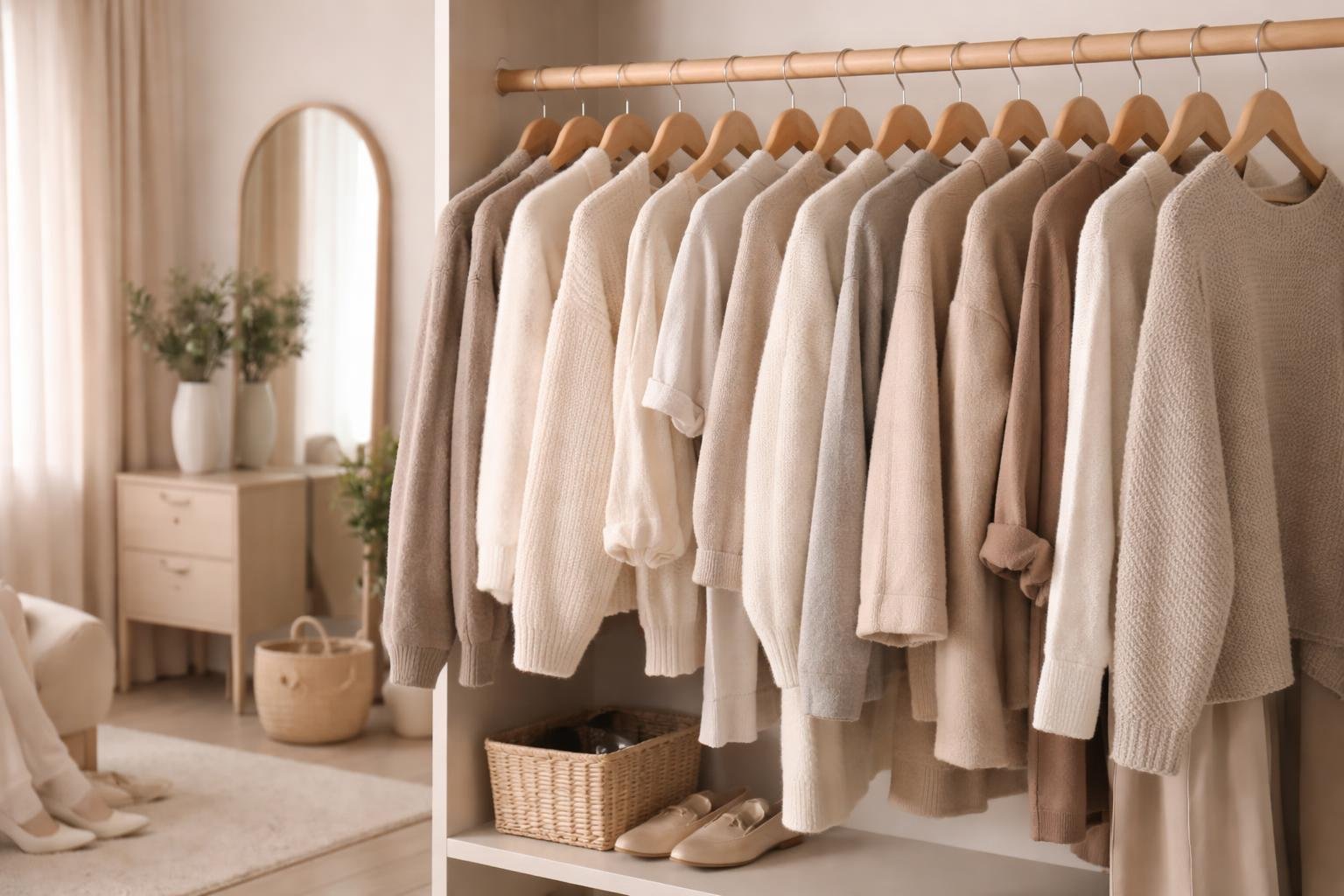
Finding your best neutral colours starts with figuring out your natural colouring. The right shades will work together easily and actually do you some favours. You can still get all the versatility you want from a capsule wardrobe—just without the black.
How to Identify Your Best Neutral Based on Hair, Skin, and Eyes
Usually, your best neutral is pretty close to your natural hair colour. It just frames your face in a way that feels right.
If you’ve got cool undertones, try:
- Navy blue
- Slate grey
- Taupe
- Charcoal
If you run warmer, go for:
- Warm brown
- Chocolate brown
- Espresso
- Warm grey
Not sure about undertones? Take a look at the veins on your wrist. Blue or purple veins mean cool undertones, while green veins suggest warm. Platinum or ash blondes usually suit cooler neutrals, and those with golden blonde, red, or brown hair tend to look better in warm browns.
Eye colour can help too. Cool grey, blue, or violet eyes go well with cool neutrals. Warm hazel, amber, or golden brown eyes? Stick to the warmer shades.
Top Neutral Colours to Replace Black in Your Capsule Wardrobe
A good capsule wardrobe needs three or four neutral colours that all play nicely together. Pick one main neutral for the big stuff—coats, trousers, that sort of thing.
Navy blue is a solid choice for almost everyone. It’s got the same authority as black but feels softer and more approachable. Works for work, works for evenings, works for pretty much anything.
Chocolate brown and espresso bring in warmth that doesn’t overpower. They look great with cream, camel, or mustard yellow. Chocolate brown, in particular, is awesome for leather and outerwear.
Taupe is kind of the middle ground between warm and cool. It goes with both brown and grey, and it’s especially good for soft summer palettes.
Warm grey is sophisticated but not as harsh as black. It fits with almost any colour and still looks polished.
Key Shades and Pairings: Navy Blue, Warm Brown, Taupe, and Beyond
Navy blue looks great with white, cream, and camel for classic combos. If you want to warm it up, throw in mustard yellow or rust. For a more tone-on-tone vibe, pair it with lighter blues or soft pinks.
Warm brown works with cream, ivory, and tan. Chocolate brown looks especially nice with burgundy, forest green, or burnt orange—those earthy pairings just work.
Taupe is your bridge neutral. It links navy blue and warm brown, so you can mix and match different families. Taupe also pairs well with blush pink, sage green, and dusty blue.
Here are some go-to neutral pairings:
- Navy + cream + camel
- Chocolate brown + ivory + rust
- Taupe + warm grey + cream
- Espresso + camel + burgundy
Incorporating New Neutrals Into Everyday Outfits
Try swapping out your usual black basics for a different neutral—maybe navy blue or chocolate brown. You could even reach for a cardigan in taupe or a warm grey instead of black.
When you’re ready to invest, go for quality pieces first. Think a navy blue blazer, a chocolate brown leather bag, or a classic taupe trench coat—these are the sorts of things that really ground your wardrobe.
Don’t be afraid to layer neutrals together, either. A navy jumper with chocolate trousers and taupe boots? That’s got a quiet kind of confidence to it.
Mixing warm grey with cream and tossing on espresso accessories adds some depth. It’s a subtle way to keep things interesting without feeling chaotic.
If you’re just starting out, keep accent colours to a minimum. Maybe add a single pop of mustard yellow or burgundy to your neutral base.
Honestly, that’s a good way to ease into wearing something other than black—no need to go overboard right away.
Leave a Reply