Category: Womens Fashion

  • Street Bride Aesthetic: How to Style Lace and Silk for Daytime Wear

    Lace and silk aren’t just for special occasions anymore. You’ll spot these fabrics, once reserved for weddings or fancy dinners, turning up in everyday wardrobes on city streets.

    It’s a shift that feels refreshing, honestly. Mixing traditional materials with relaxed staples creates balanced outfits that actually work for daytime life.

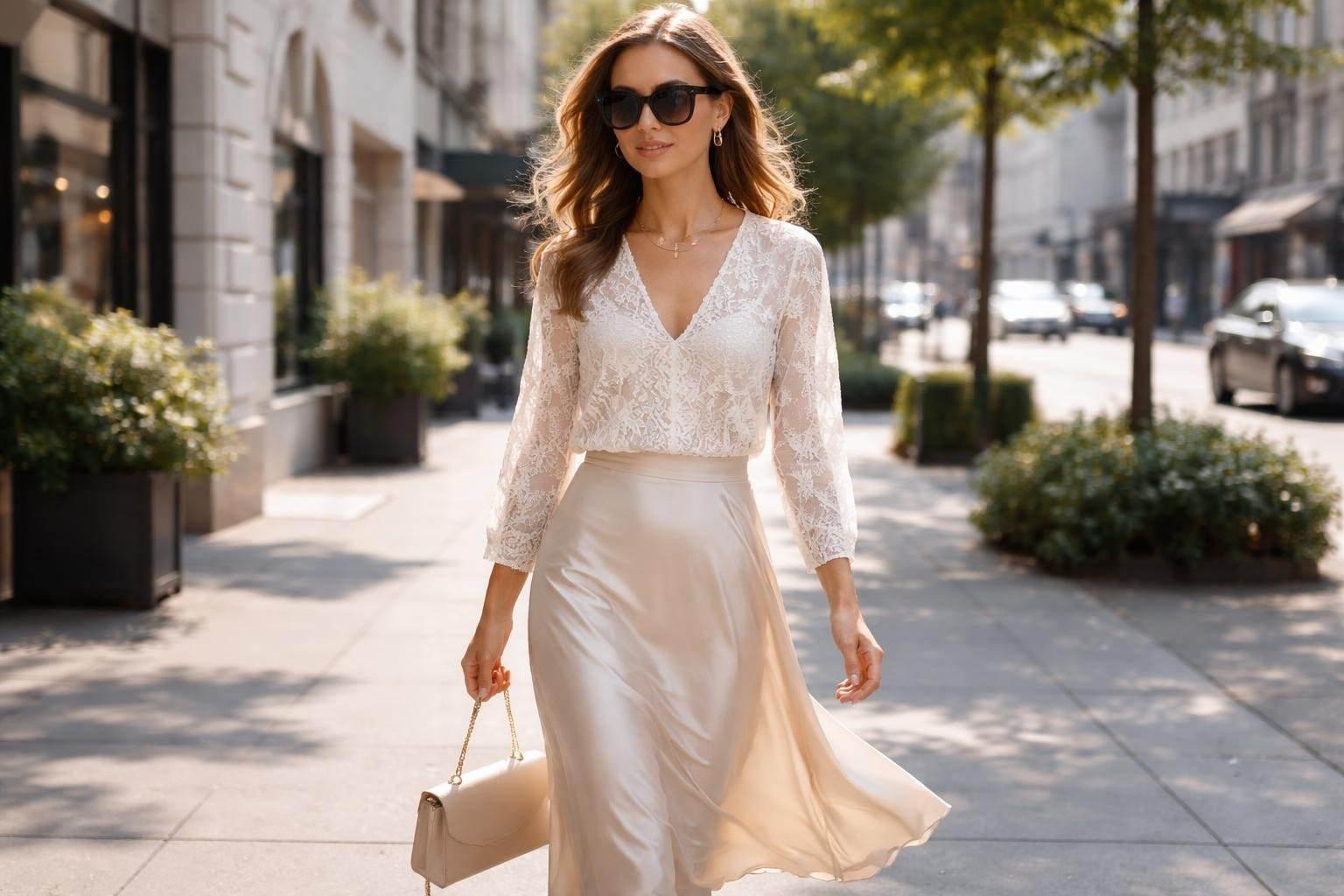
    A young woman walking on a city street wearing a white lace blouse and a flowing silk skirt during the day.

    The trick to pulling off lace and silk during the day? Pair them with structured, casual pieces that keep things grounded. A silk camisole with denim, or a lace skirt with a plain tee, just works.

    You get an outfit that’s polished but doesn’t scream “I’m overdressed!” even if you’re just out for coffee or running errands.

    Here are some combinations that make these fabrics wearable, not intimidating. We’ll look at layering, shoes, and ways to keep those feminine textures feeling modern—because who wants to feel like they’re in a costume?

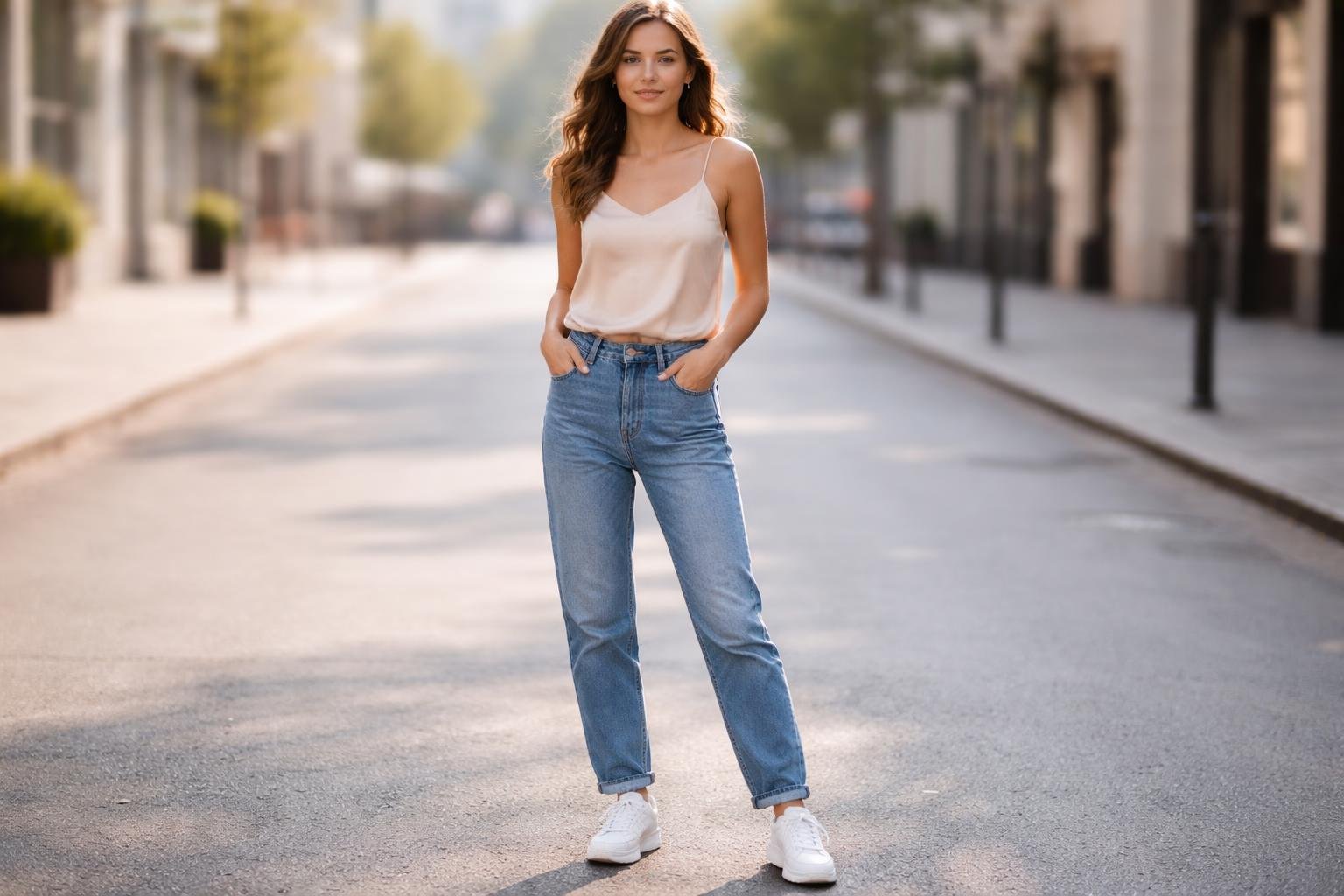
    1) Silk camisole paired with high-waisted denim and white trainers

    A young woman stands on a city street wearing a silk camisole, high-waisted denim jeans, and white trainers.

    Try tucking a silk camisole into high-waisted jeans for a look that’s both easy and put-together. The silk adds a bit of shine, but the denim keeps it casual.

    High-waisted jeans—straight, skinny, whatever you like—help define your waist. The tuck keeps things neat without looking fussy.

    White trainers make this so practical for walking, errands, or just hanging out. They’re comfy, and the contrast with silk is fun.

    Stick to classic camisole colours like black, white, or blush. They play nicely with most denim washes.

    It doesn’t need much else. Just make sure the camisole sits flat and the jeans fit right. Maybe throw on a watch or simple necklace if you’re feeling it.

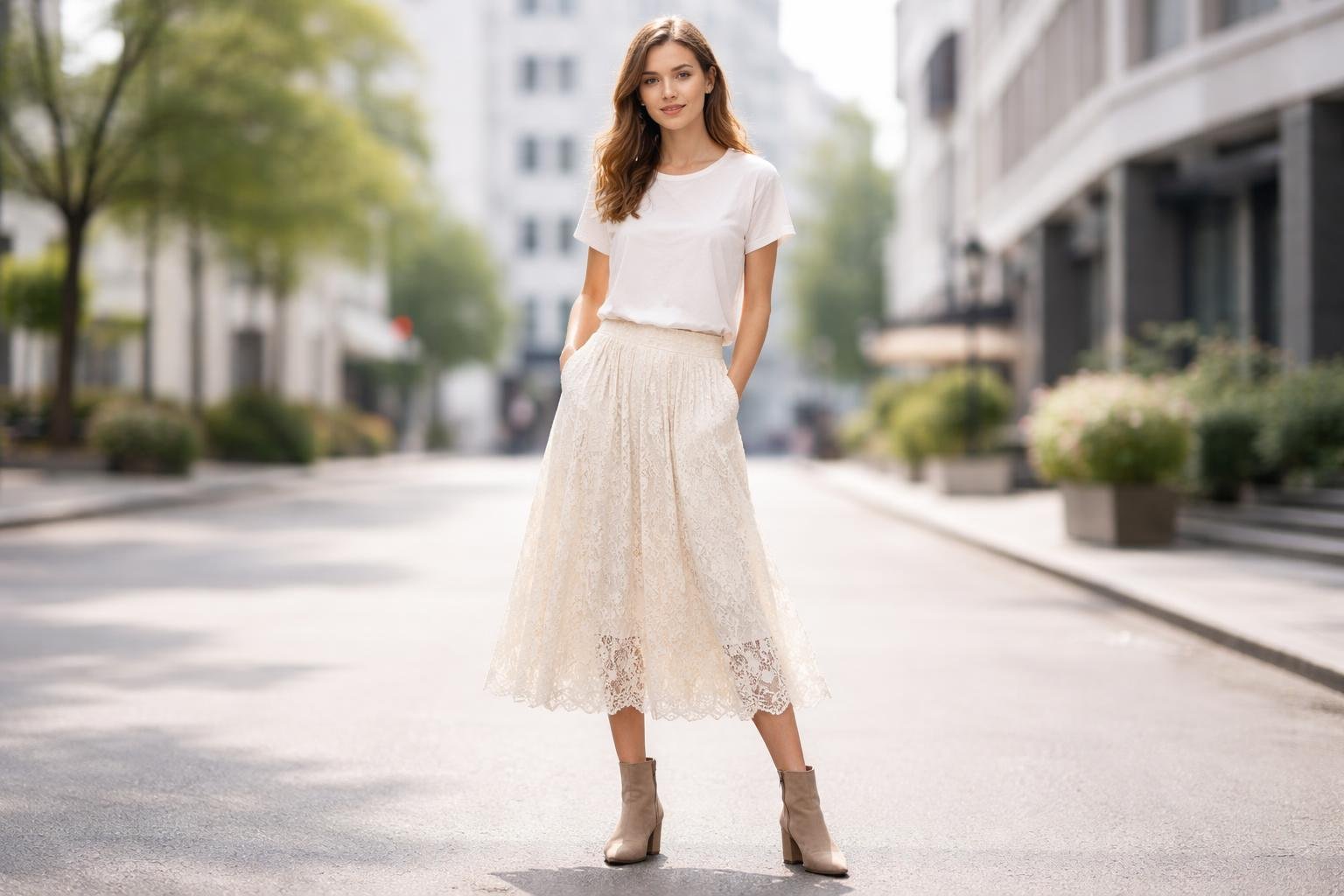
    2) Lace-trimmed midi skirt with a loose cotton T-shirt and ankle boots

    A young woman standing on a city street wearing a lace-trimmed midi skirt, a loose cotton T-shirt, and ankle boots.

    A lace-trimmed midi skirt with a basic cotton T-shirt is such an easy, chic combo. The tee keeps things from getting too “bridal.”

    A loose, not-too-fitted cotton shirt in white, grey, or black keeps the vibe relaxed and wearable. No need to fuss with anything too tight.

    Ankle boots bring a bit of structure, and you can go flat or with a small heel. They’re great for everyday stuff.

    This works all year—bare legs in summer, tights and a denim jacket or trench when it’s cold.

    It’s a look that fits in at coffee dates, shopping, or even casual workdays. The lace trim is just enough to make it interesting.

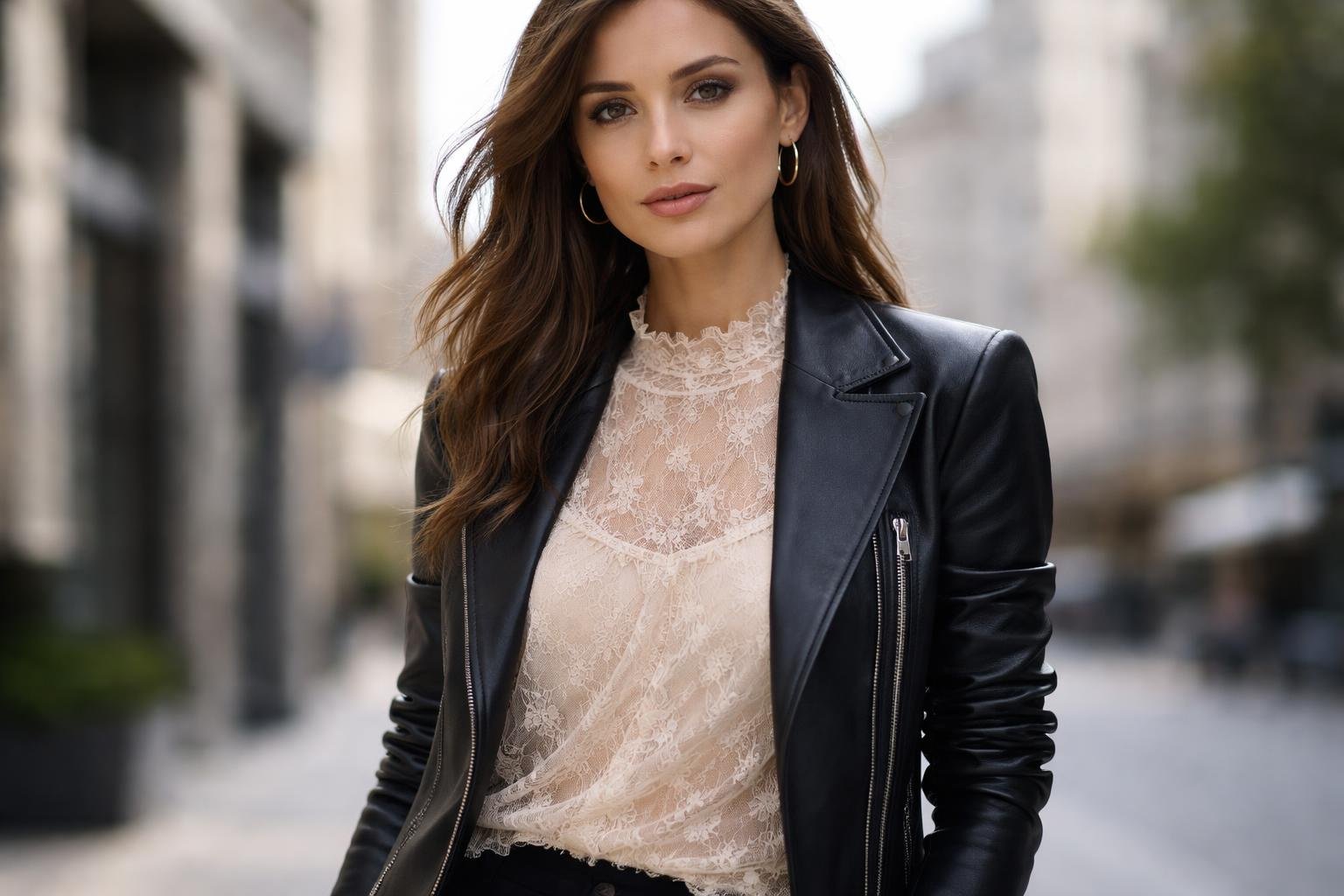
    3) Layered sheer lace blouse under a structured leather jacket

    A woman wearing a sheer lace blouse layered under a black leather jacket, standing outdoors in an urban setting.

    Try a sheer lace blouse under a leather jacket for a cool balance of soft and strong. It’s a nice way to wear delicate fabrics without feeling overdressed.

    The leather jacket tones down the lace, but still lets those pretty details peek out at the neckline and sleeves.

    Go with a black jacket and white or cream lace for a crisp look, or match the colours for a sleeker vibe. Just let a bit of lace show—it’s enough.

    Pair with jeans for errands or tailored trousers if you want to look a bit sharper. A simple cami or bralette underneath keeps things covered.

    It’s romantic, but not fussy. The leather makes lace totally doable for daytime.

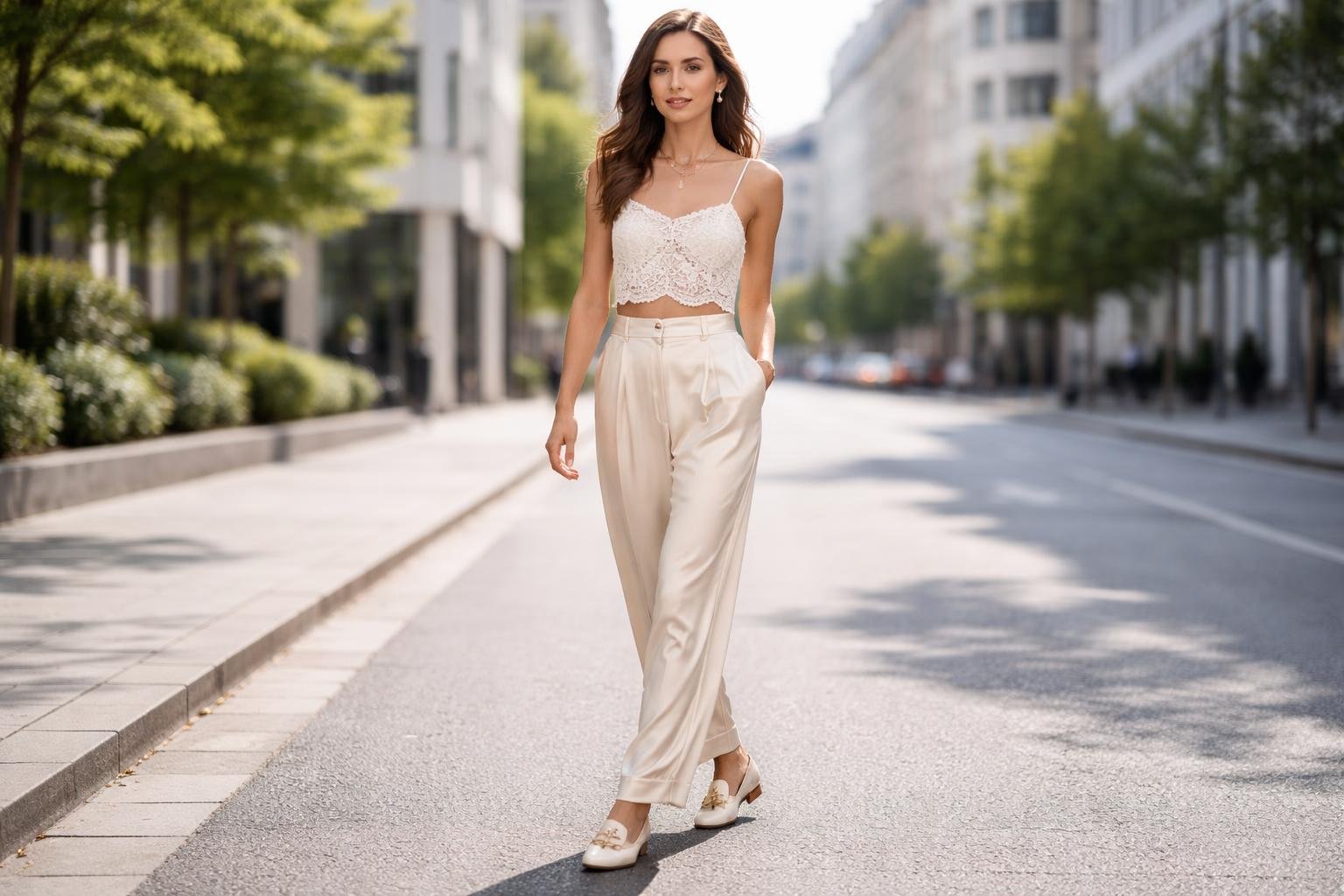
    4) Silk trousers combined with a cropped lace top and loafers

    A young woman stands on a city street wearing silk trousers, a cropped lace top, and loafers during the day.

    Silk trousers instantly make daytime dressing feel a bit more special. Add a cropped lace top, and you get a nice mix of relaxed and dressed-up.

    Proportion is everything here. The cropped top shows just a bit of skin, so it feels current but not revealing. Stick with classic silk trouser colours so the lace pops.

    Loafers bring in a menswear touch and keep your feet happy. They make the whole thing feel grounded enough for work or errands.

    Wide-leg silk trousers look especially good with this combo. They move well, and the loafers keep it all sharp.

    For chilly days, toss on a blazer or cardigan. The textures and easy shoes make it feel lived-in, not precious.

    5) Maxi-length lace dress styled with a denim jacket and sandals

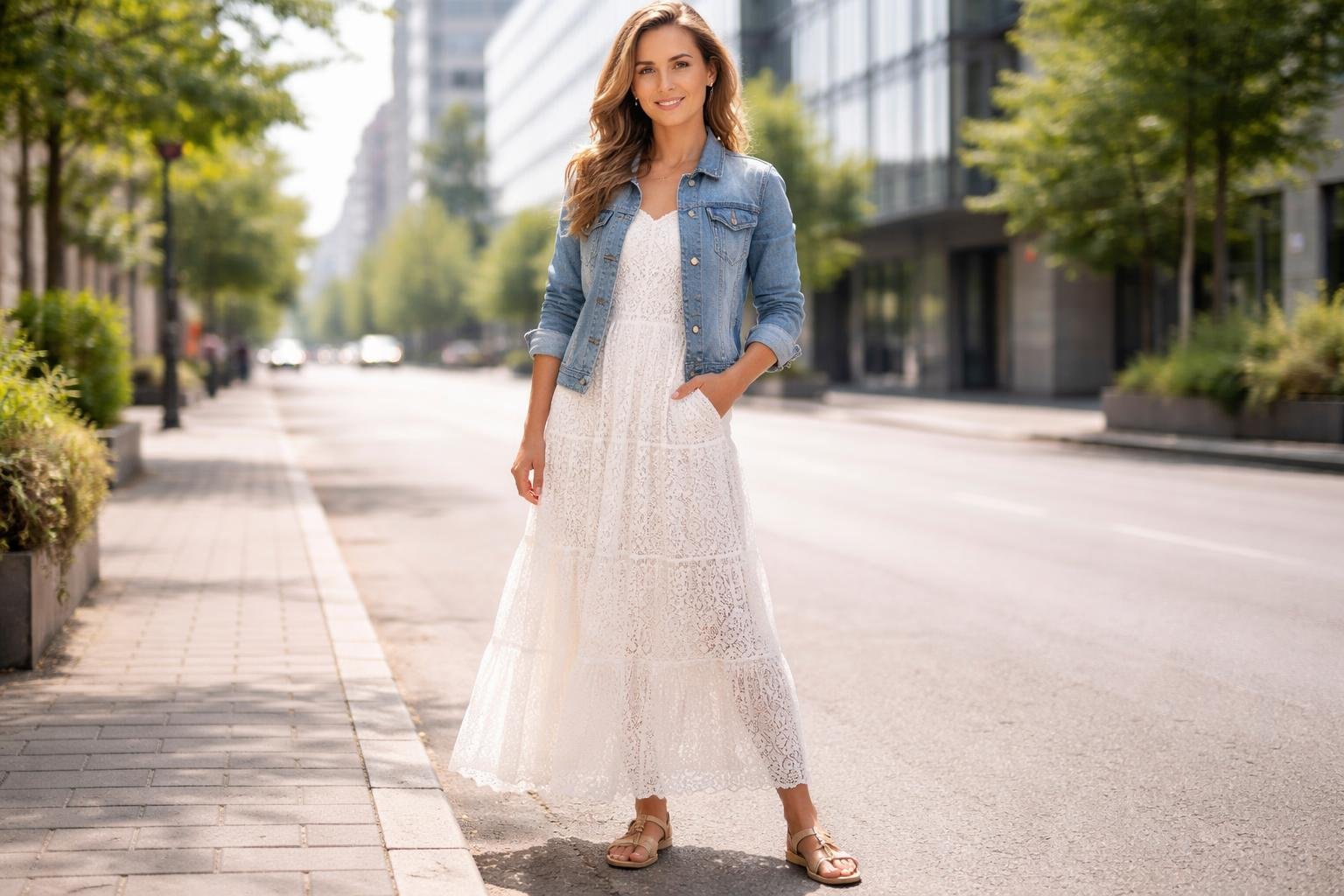
    A young woman standing on a city street wearing a long white lace dress, a denim jacket, and sandals.

    A lace maxi dress with a denim jacket? It’s a classic for daytime wear. The jacket keeps the dress from feeling too formal.

    You get this nice push-pull between dressed-up lace and relaxed denim. It just works for all sorts of daytime stuff.

    If your dress is fitted, the jacket’s shape really pops. If it’s flowy, the contrast is interesting.

    Flat sandals keep things comfy. Black leather sandals go with pretty much anything.

    Toss on a belt if you want some waist definition. A little jewellery is fine, but don’t go overboard.

    The denim jacket takes the lace dress down a notch. Suddenly it’s perfect for errands or brunch, not just parties.

    6) Belted lace pencil skirt matched with a fitted blazer and heels

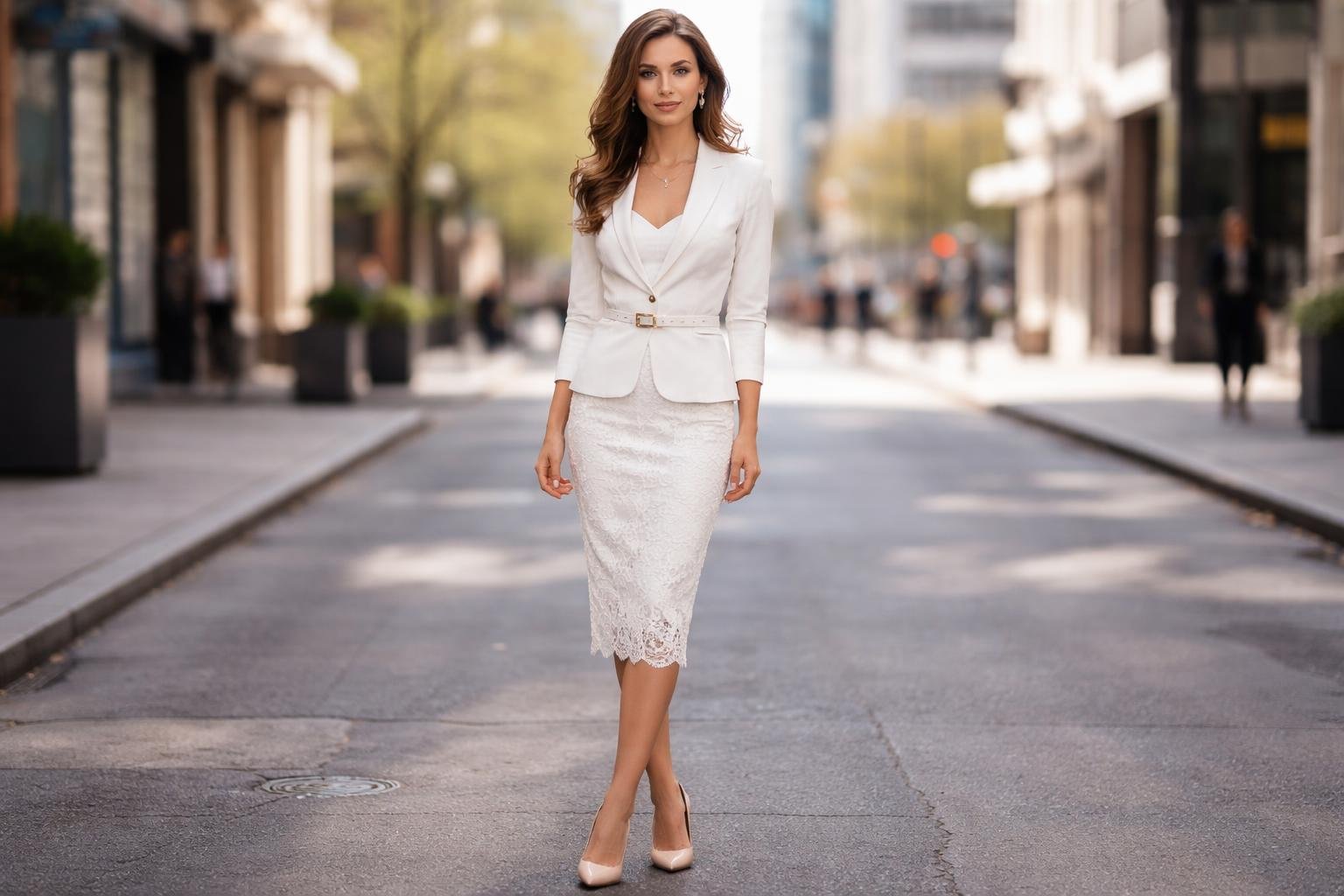
    A woman standing on a city street wearing a lace pencil skirt, fitted blazer, and heels.

    A belted lace pencil skirt brings structure—and a bit of romance—to daywear. The belt makes lace look less delicate, more tailored.

    Add a fitted blazer to balance the softness of lace with clean, sharp lines. Neutrals work, or pick a blazer that matches for a slightly bolder look.

    This outfit is right at home in the office or for daytime events. The skirt’s length keeps things professional.

    Heels finish the look, making your legs look longer. Go for nude or black—easy choices that don’t fight with the lace.

    A structured bag and minimal jewellery are all you need. The lace is the star here, so let it shine.

    7) Delicate lace camisole layered beneath a chunky knit jumper

    For chillier days, layer a lace camisole under an oversized knit jumper. The lace peeking out at the hem and neckline adds a soft, unexpected detail.

    The contrast of chunky knit and delicate lace is honestly just fun. It feels cozy but still a little dressed up.

    This combo goes great with jeans and boots. Light-wash denim keeps it casual, but dark denim works if you want to look a bit more polished.

    Oversized jumpers in beige or grey are easy to style. You can tuck the front to show more lace, or leave it loose for a slouchier vibe.

    It’s a simple way to make everyday outfits feel a little more special. You get warmth and a hint of romance without trying too hard.

    8) Silk slip dress worn over a white shirt and paired with brogues

    Layering a silk slip dress over a crisp white shirt creates a look that’s both polished and a bit playful. The shirt gives structure under the silk and keeps things work-appropriate.

    A classic oxford shirt works best—let the collar and cuffs peek out for a relaxed, layered feel. Roll up the sleeves if you want, or leave them long.

    Brogues add a menswear twist that grounds the silk. Brown or tan feels softer, black is sharper—it’s up to you.

    This turns a slip dress into something you can wear in real life, not just at night. The shirt adds coverage and warmth, so it’s handy for spring or autumn.

    It’s a little unexpected and definitely not boring.

    9) Lace shorts teamed with a tucked-in silk blouse and mules

    Lace shorts with a silk blouse? Surprisingly chic for daytime. Tuck the blouse in to define your waist and keep the look clean.

    Both fabrics are soft, but the tuck gives some structure. Plus, it makes your legs look longer—never a bad thing.

    Mules are the perfect finishing touch. Flats are great for errands; a small heel works if you want a bit more polish.

    Stick with neutral shades like cream, beige, or pale pink. The blouse and shorts don’t have to match exactly—mixing similar tones often looks more interesting.

    This is a nice brunch or casual office outfit. Add a structured bag and simple jewellery to keep things balanced.

    10) Lightweight silk scarf with lace appliqué over a casual outfit

    A lightweight silk scarf with lace detail is a sneaky way to dress up basics. The mix of textures adds interest without bulk.

    Try it over a plain white shirt and jeans. The scarf draws the eye up and gives a lift to simple outfits.

    Lace appliqué gives it a romantic edge, but the silk keeps things refined. It’s perfect for daytime—think coffee runs or casual Fridays.

    Go for subtle lace, not heavy embellishments. Just a bit of trim is enough.

    Drape the scarf loosely or knot it at the neck. It softens tees and denim, and you don’t need to overthink the rest.

    The scarf should be the standout, so keep everything else low-key.

    Understanding the ‘Street Bride’ Aesthetic

    The Street Bride vibe takes classic wedding looks and, well, tosses them right into everyday life. Think unexpected fabric combos, a little bit of chaos, and a relaxed attitude—suddenly, lace and silk aren’t just for ceremonies anymore.

    This trend really caught on in 2026, during what some in fashion call the “age of duality.” White lace, veils, silk—pieces that used to be reserved for big events—are now popping up everywhere, mixed into casual outfits.

    Origins and Influences

    So, where did this all start? The Street Bride aesthetic grew out of a mashup between old-school bridal traditions and the ever-evolving world of streetwear.

    Back in 2026, designers started talking about “nonchalant romance.” Basically, it’s all about blending fancy wedding fabrics with gritty, city-inspired pieces—a little grunge, a little glamour.

    This movement kind of rebels against the idea that bridal stuff should stay locked away for special days. The Anti-Bride mindset grabs things like white lace, corsets, and flowing silk and just wears them, no excuse needed.

    Cities play a huge role here. Street art, music, and the pulse of everyday life seep into how these delicate fabrics get styled.

    And let’s be real, the aesthetic borrows a lot from streetwear’s rebellious roots—skate culture, punk, you name it. That rule-breaking energy gets channeled into fancy garments, making them feel totally wearable, even for just running errands.

    Key Fabrics: Lace and Silk

    Lace is everywhere in Street Bride outfits. Sometimes it’s delicate Chantilly or guipure, the kind you’d spot on a wedding dress.

    Other times, it’s heavier cotton lace—sturdy enough for daytime. You’ll see lace trims jazzing up otherwise basic pieces.

    Silk just oozes luxury, but here it’s worn in the most casual ways. Think silk slip dresses as outerwear, or a silk charmeuse top thrown on with jeans.

    Even silk scarves and little accessories get in on the action. These fabrics work because they keep their fancy feel, but the way they’re styled makes them feel easy.

    It’s all about the contrast—fancy silk or intricate lace next to something super casual. White and ivory are go-tos, but you’ll see the occasional pastel if you look closely.

    Blending Bridal and Casual Styles

    Pulling off the Street Bride look is all about mixing the right amounts of formal and chill. Like, you might see a lace top with ripped jeans and sneakers.

    Or maybe a silk slip dress layered over a basic tee, finished off with combat boots. Sounds odd, but somehow it works.

    Some favorite combos:

    • White lace with denim or a bit of leather
    • Silk camis tucked under big, slouchy jackets
    • Bridal-inspired stuff mixed with track pants or sporty pieces
    • Delicate fabrics teamed up with chunky shoes

    The whole point is to keep things relaxed. Hair and makeup? Natural, sometimes even a little messy.

    Accessories are more street than sweet—think crossbody bags, unfussy jewelry, and shoes you can actually walk in. This way, the preciousness of bridal wear just melts away.

    Suddenly, silk and lace feel right at home whether you’re grabbing coffee or meeting friends after work.

    Styling Considerations for Daytime Elegance

    Wearing lace and silk during the day? It’s all about picking accessories that tone things down and making sure you’re actually comfortable.

    Choosing the Right Accessories

    Accessories really make or break this look. A leather jacket over lace adds a bit of edge, while sneakers or ankle boots keep silk from feeling too dressed up.

    Minimal jewelry is usually the way to go for daytime. Maybe just some gold hoops or a dainty chain—nothing that distracts from the fabrics.

    Oversized sunglasses? Always a good idea. A crossbody bag keeps things practical and adds just enough urban flair.

    Some go-to pairings:

    • Lace tops with a denim jacket and a canvas tote
    • Silk slip dresses layered with cardigans and ballet flats
    • Lace skirts cinched with a chunky belt and a leather rucksack

    Layering structured pieces over those softer, romantic textures is key. That way, lace and silk keep their feminine vibe but actually fit into everyday life.

    Balancing Comfort and Sophistication

    Fabric weight really does make a difference for daytime wear. Lightweight lace or silk? Honestly, they just breathe better, which is kind of a must when you’re running around all day.

    Thicker fabrics like heavy brocade lace or that dense silk charmeuse—they can look gorgeous, but let’s be real, they’re a bit much for daytime. Sometimes they just feel stiff or, well, a little too formal.

    When it comes to fit, you want to be able to actually move. Loose silk blouses tend to feel more relaxed than those super fitted styles.

    A-line lace skirts? Way more versatile than those tight pencil cuts, if you ask me.

    Layering’s a lifesaver for temperature swings. Tossing a slip dress over a basic tee or slipping a lace camisole under a blazer adds some interest without being over the top.

    Plus, this kind of layering just makes it easier to roll with the weather—warm afternoons, chilly evenings, you name it.

  • The ‘Transitional Weather’ Survival Guide: Outfits for Freezing Mornings & Sweaty Afternoons

    Transitional weather really throws a curveball when you wake up to 10°C and by the afternoon, it’s suddenly 27°C. Some folks end up swapping outfits in the middle of the day, while others just suffer through wearing the wrong thing for hours.

    This guide? It’s all about strategies that actually work—from sunrise to sunset—so you don’t have to keep changing or regretting your choices.

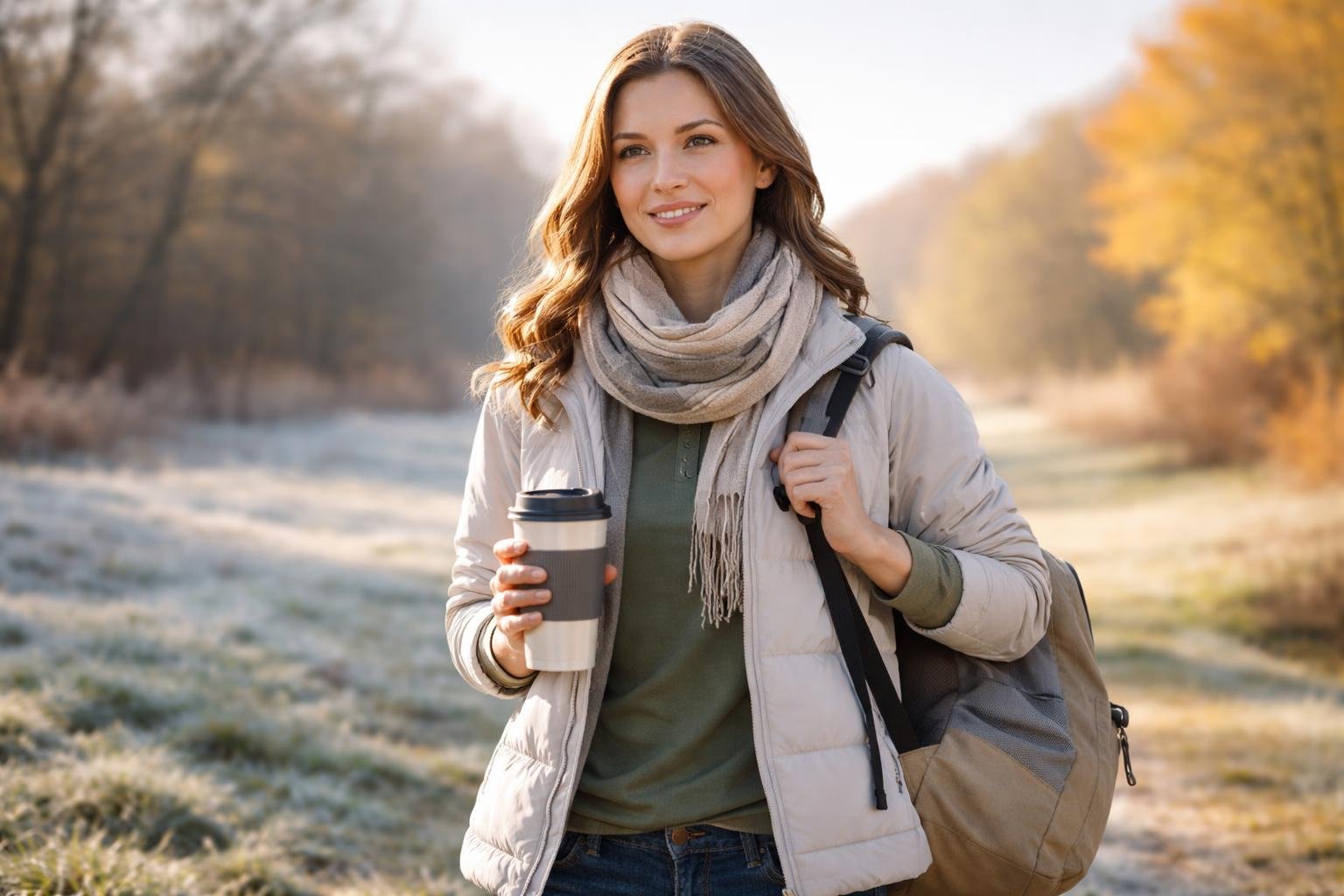
    A young woman outdoors wearing layered clothes for cold morning and warm afternoon, holding a coffee cup and backpack, with a background showing frost and sunlight.

    The trick is to start with lightweight, breathable base layers and add pieces you can peel off as the day heats up. You won’t need to haul around a second outfit, and you’ll stay comfortable even when the temperature swings wildly.

    Knowing which fabrics actually breathe, how to layer without looking bulky, and which pieces are worth having on rotation can make transitional dressing less of a daily headache. The next few sections break down the best principles and outfit formulas, so you can handle unpredictable weather with a bit more confidence.

    Essential Principles of Transitional Dressing

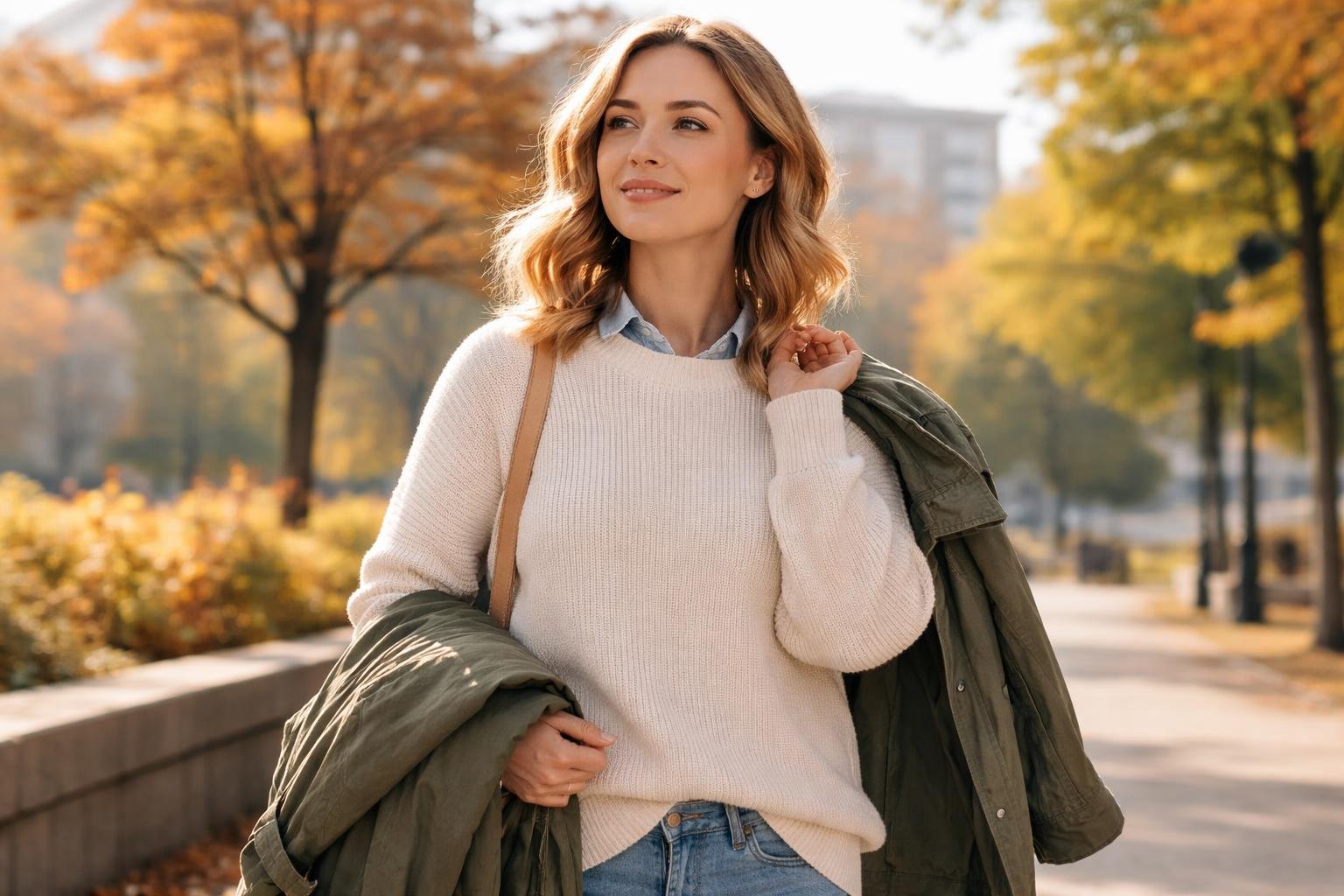
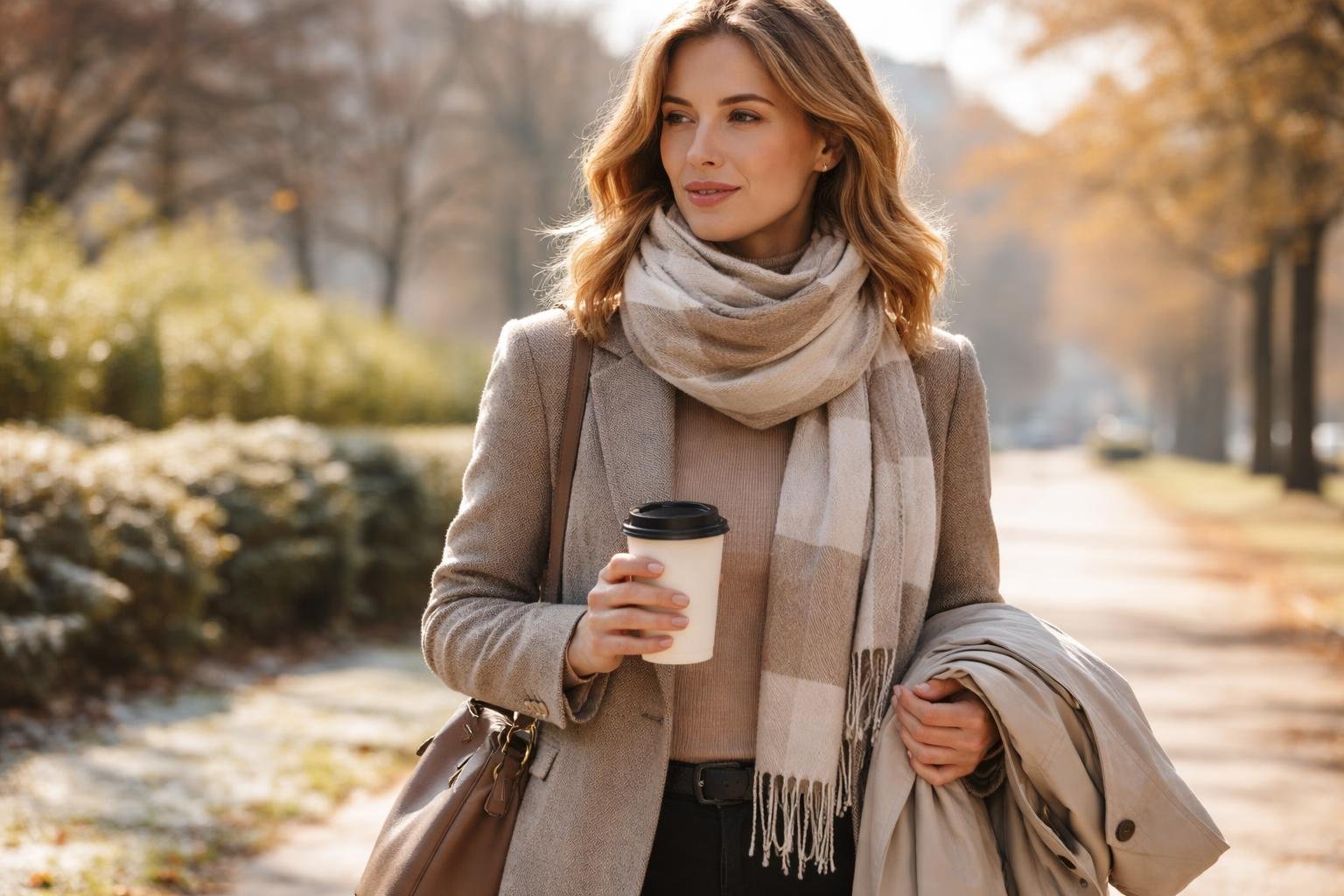
    A young woman outdoors in autumn, wearing layered clothes and holding a jacket, standing in a park with colourful trees.

    Transitional dressing is really about understanding how much the temperature can swing and having a wardrobe that adapts. Mastering layering, picking the right fabrics, and investing in versatile items are all part of the game.

    Understanding Transitional Weather Challenges

    Some days start at 4°C and by afternoon, it’s up to 18°C—a 14-degree jump or more. No wonder it’s tough to dress for just one temperature.

    Our bodies feel best between 18-24°C, so anything outside that range gets uncomfortable fast. You need warmth in the morning, but by midday, those same layers feel like a sauna.

    And then the weather changes on a whim—spring and autumn can bring surprise rain, gusty wind, or sudden humidity that totally messes with your outfit. Even a perfect forecast can turn on you, so you’re left wishing you’d brought a jacket.

    Indoor spaces don’t make it easier. Offices and public transport are often overheated or freezing cold, and you’re constantly moving between inside and out. It’s honestly a hassle if your clothes can’t keep up.

    Importance of Layering for Temperature Swings

    Layering is the only real way to deal with these temperature swings. You start with a base layer against your skin, add a mid layer for warmth, and finish with an outer layer to block wind or rain.

    This setup means you can add or drop layers as needed. A light jumper tied around your waist looks casual in the afternoon and is ready for when it cools down again.

    Base layers should hug your body but still let you move. Think cotton vests, thin long-sleeve tops, or even just a fitted tee.

    Mid layers are for warmth but shouldn’t make you feel bulky. Cardigans, light knits, and button-downs are easy to take off when you start to overheat.

    Outer layers need to be flexible. A trench coat or denim jacket is ideal—they protect you but don’t smother you when the sun comes out.

    All your layers should play nicely together. Each one should work on its own and as part of the whole outfit—both in terms of style and comfort.

    Selecting Breathable and Versatile Fabrics

    Natural fibres are usually the best bet for regulating temperature. Cotton lets your skin breathe, so you won’t overheat. Merino wool is a bit of a superstar—it keeps you warm but also wicks away sweat.

    Linen is a solid choice for spring. It’s airy and cool, though it does wrinkle a lot. If you hate ironing, look for linen-cotton blends—they’re less fussy but still breathable.

    Fabric Best For Key Benefit
    Cotton Base layers Breathable, soft
    Merino wool Mid layers Temperature regulation
    Linen Warm days Lightweight, cooling
    Silk Layering Thin, insulating

    Try to avoid heavy, non-breathable fabrics in these in-between seasons. Thick polyester or acrylic just trap heat and sweat, making you feel sticky and uncomfortable. They don’t let moisture escape, so you end up clammy.

    Pay attention to fabric weight, too. A lightweight wool jumper beats a chunky knit when the weather can’t make up its mind. Look for “lightweight” or “mid-weight” in the description—skip anything labeled “heavyweight.”

    Building a Transitional Capsule Wardrobe

    A capsule wardrobe for transitional weather doesn’t need to be huge. Twelve to fifteen core pieces are enough. Aim for three base tops, two mid layers, and two outer layers, then add three pairs of bottoms and two pairs of shoes.

    Some essentials: a trench coat, light blazer, cardigan, white tee, long-sleeve cotton top, ankle boots, and trainers. You can mix and match these for a bunch of different looks without crowding your closet.

    Stick to neutrals—beige, navy, grey, white—they all play well together and make it easier to get dressed in the morning. Maybe add a pop of colour or two if you’re feeling bold.

    Each piece should do double duty. A button-down works as a base under a jumper or on its own. Ankle boots go just as well with trousers as with skirts, so you don’t need a pile of shoes.

    Quality matters more than quantity here. One good cotton shirt is better than three flimsy ones. Investing in a solid trench or leather jacket pays off—they’ll last for years.

    Keep off-season stuff packed away, but have your transitional pieces handy all year. You’ll probably reach for them more often than you think, except for the hottest summer days or the depths of winter.

    Mastering Smart Layering and Key Outfit Formulas

    A woman outdoors wearing layered clothing suitable for cold mornings and warm afternoons, holding a coffee cup with a city background.

    Smart layering is all about those three layers that help you manage your body temperature as the day changes. Start with a base that wicks away sweat, add a mid layer for insulation, then finish with an outer layer that shields you from wind or rain.

    Base Layers: The Foundation of Comfort

    Base layers are up close and personal with your skin, so they need to handle moisture. A fitted cotton tee is fine for mild mornings, but merino wool is a lifesaver when the weather gets unpredictable. Silk is another great option if you want warmth without any bulk.

    You want a fit that’s snug but not restrictive. Too tight and you’ll be uncomfortable, too loose and it bunches up under your other layers. Stick to neutral colours—white, black, grey—they’ll go with everything.

    Cotton is okay when it’s dry, but if rain’s in the forecast, maybe skip it. Wet cotton loses its warmth and takes forever to dry. Merino and silk keep you warm even when damp, which is a huge plus.

    Mid Layers: Knitwear, Cardigans, and Versatile Tops

    Mid layers are for warmth, but you want to be able to take them off easily if the sun comes out. Cardigans are a favourite—they unbutton all the way, so you don’t have to pull them over your head. A cashmere cardigan feels a bit fancy, but cotton blends are more budget-friendly and still breathe.

    Lightweight knits in merino wool are great at keeping your temperature steady. Crew necks and turtlenecks slip under jackets without bulking up your collar. The trick is to pick something thin enough to layer but nice enough to wear on its own.

    Button-down shirts in cotton or linen are super versatile. Wear them open over a tee for a relaxed look, or buttoned up for something sharper. Chambray and flannel add a bit of texture without weighing you down.

    Outer Layers: Jackets and Coats for Functionality

    Outer layers are your shield against the elements, but they need to fit over everything else. A trench coat is hard to beat for transitional weather—it’s water-resistant and looks good with just about anything. Denim jackets are perfect for days when you don’t need heavy-duty protection.

    Blazers are a nice way to go from outside to inside without feeling out of place. Look for unstructured styles in cotton or linen blends—they’ll keep you from overheating. Leather jackets block wind well, but they’re not the best if you’re going to be moving around a lot.

    If you want something really practical, lightweight technical jackets are easy to pack away when you don’t need them. A shirt-jacket (or shacket, if you’re into that term) is casual and doesn’t look weird when it’s suddenly 25°C. Zips are easier than buttons when you’re layering—nobody wants to fumble with tiny buttons in the cold.

    Styling Transitional Bottoms and Footwear

    Cropped jeans and wide-leg trousers just make more sense when the weather can’t decide what it’s doing. With a bit of ankle showing, you get some airflow but still have enough coverage for those crisp mornings.

    Mid-weight denim in cotton blends? That’s a lifesaver for year-round wear—doesn’t feel too heavy, but it’s not flimsy either.

    Footwear choices for transitional weather:

    • Ankle boots: They give you coverage, but without the stuffiness of tall boots.
    • Loafers: These work with or without socks, so you can adapt on the fly.
    • Ballet flats: Great if the afternoon turns out warmer than you expected.
    • Trainers: Seriously, they’re just so versatile for unpredictable temps.
    • Sneakers: Canvas ones breathe way better than leather, in my opinion.

    Honestly, skip the heavy stuff like thick corduroy or wool trousers—they just trap all the heat. Linen blends and lightweight cotton are way better if you want to stay comfortable.

    Pick bottoms that go with both ankle boots for chilly starts and ballet flats when the sun finally shows up.

  • Top 7 Ways to Style Cigarette Jeans: The New Slim Denim Rules

    Cigarette jeans are making a big comeback as the denim trend to watch for 2026, nudging aside those oversized, baggy styles. These straight-leg jeans give you a tailored fit that’s way more relaxed than those ultra-tight skinnies we all remember—and honestly, they’re just a lot comfier.

    Fashion insiders have been spotted in them all over London and beyond. It’s clear: slim-fit denim is back, but with a modern, elevated twist.

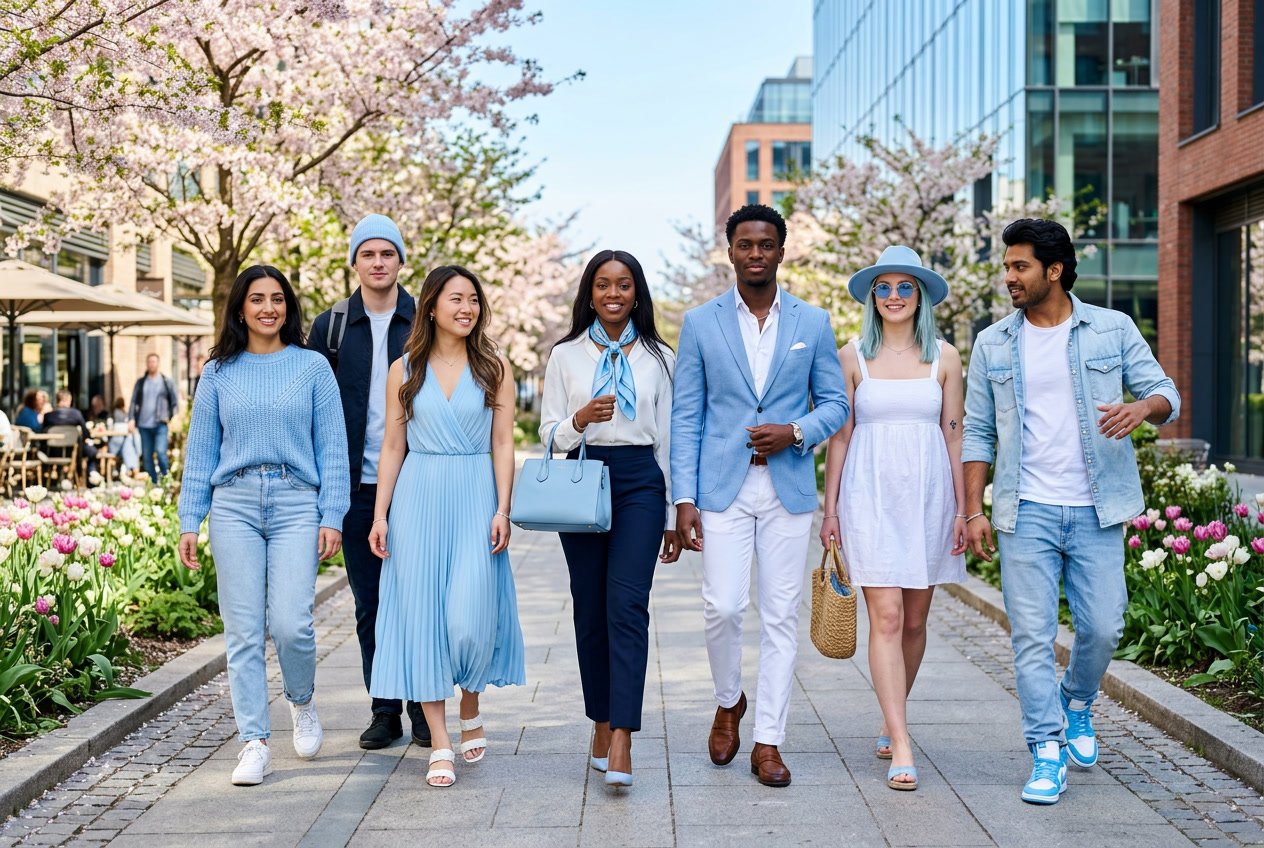
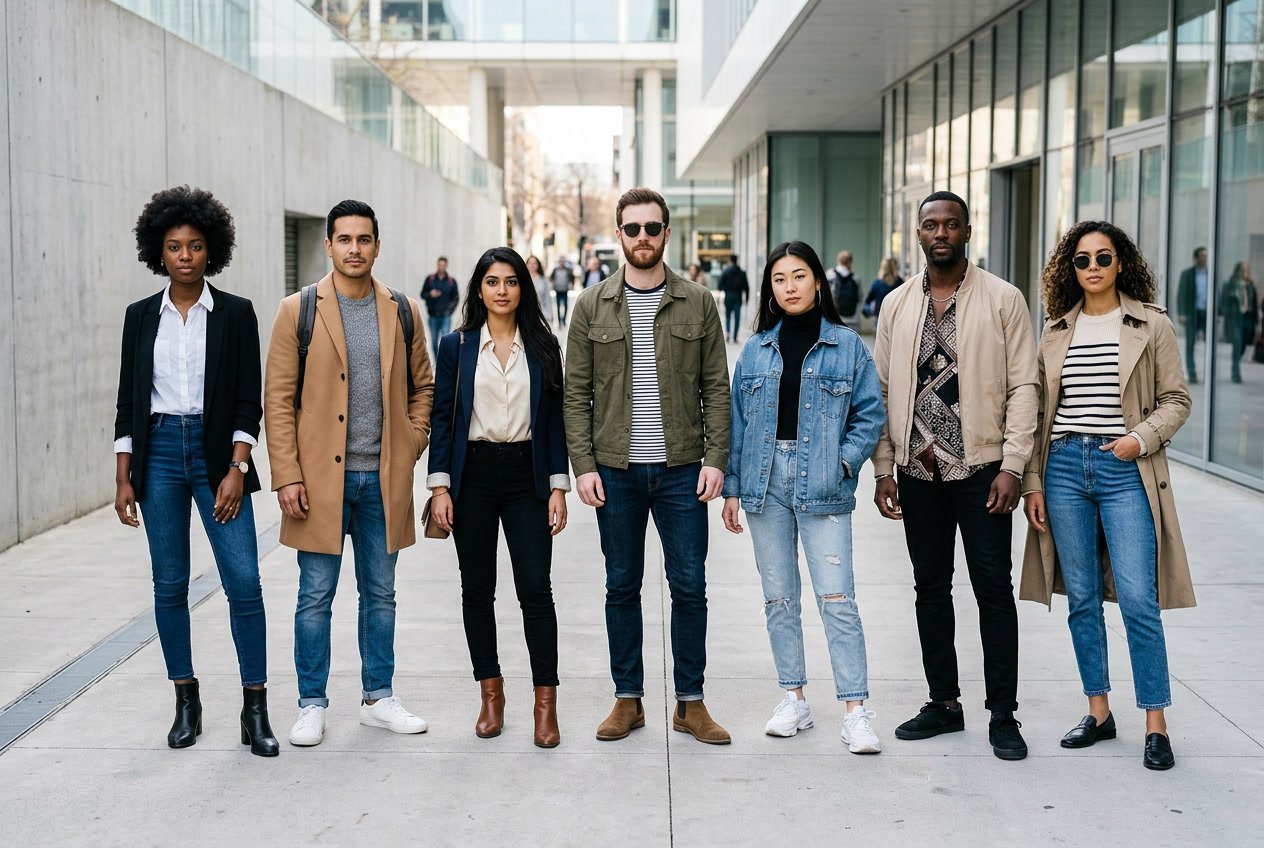
    Seven people standing outdoors in a city setting, each wearing slim-fitting jeans and different outfits, posing confidently.

    The move away from wide-leg and barrel jeans might feel abrupt, but cigarette jeans bring a refreshing sense of balance to denim. They’re surprisingly versatile—think crisp button-ups, easy hoodies, whatever you’ve got.

    The trick is making sure they look current, not like you’re raiding your own high school closet.

    This guide dives into the smartest ways to style cigarette jeans right now. Whether you’re into minimal, polished outfits or you lean more casual, there’s a way to make this trend work for you.

    The 7 Most Fashion-Forward Ways to Style Cigarette Jeans

    Seven people standing outdoors in a city setting, each wearing slim jeans and different outfits, posing confidently.

    Cigarette jeans give you a refined silhouette that sits right between those super-relaxed fits and skin-hugging skinnies. The secret? Pairing them with pieces that play up their clean lines instead of fighting them.

    Elevated Minimalism: Pairing with White Shirts and Ankle Boots

    A crisp white shirt is basically the backbone of a polished look when you’re wearing high-rise cigarette jeans. There’s something about that combo—it’s simple, but not boring.

    Tuck the shirt in all the way to show off your waist and make your legs look longer. This works especially well with cropped slim jeans that hit just above the ankle.

    Ankle boots pull the whole thing together by:

    • Adding a bit of height without feeling dressy
    • Breaking up the hem cleanly
    • Keeping the silhouette streamlined

    Black cigarette jeans can take this look up a notch. The darker wash just feels more sophisticated, but still easygoing.

    Pick ankle boots in tan, burgundy, or classic black for a palette that’s understated and cohesive.

    Outfit Ideas with Ballet Flats for Effortless Chic

    Ballet flats bring a relaxed vibe to cigarette jeans without losing that put-together feel. There’s a bit of French-girl energy here—effortless but somehow always polished.

    Mid-wash straight-leg cigarette jeans work perfectly with ballet flats. The proportions just seem to click.

    Keep a little bit of ankle showing between the jeans and the shoes. Go for flats in black, nude, or navy if you want to keep things classic.

    Blue cigarette jeans in lighter washes look especially fresh with cream or white ballet flats, especially in spring and summer. Throw on a simple knit or a fitted tee and you’re good for anything from coffee runs to weekend walks.

    How to Wear Cigarette Jeans with Blazers and Tailored Outerwear

    Blazers have this magic ability to take slim denim from casual to work-ready in seconds. Structured shoulders and a defined waist balance out the straight leg of cigarette jeans.

    Look for blazers that hit at the hip or just below—nothing that chops your body in half. Single-breasted styles in wool or cotton are easy wins, and if you’re feeling bold, oversized blazers can add a cool, modern edge.

    Vintage slim jeans in dark washes look office-appropriate when teamed up with a classic blazer. The slim fit keeps things intentional and sharp.

    When it’s cold:

    • Layer a fine knit under the blazer
    • Stick with ankle boots in similar tones
    • Keep accessories simple and elegant

    Cropped cigarette trousers are a slightly dressier alternative. Pair with pointed flats or low heels and a tailored coat if you’ve got meetings or something more formal on the calendar.

    Layering with Moto, Trench, and Bomber Jackets

    Moto jackets add a bit of edge to the clean lines of cigarette jeans, but they don’t overwhelm the shape. The cropped length of most leather jackets just seems to work with high-rise cigarette jeans.

    Jacket-specific styling:

    Jacket Type Best Jean Wash Ideal Footwear
    Moto Black or grey Ankle boots
    Trench Mid-blue or cream Loafers or trainers
    Bomber Army green or black Sleek trainers

    Trench coats bring a timeless feel to slim jeans. Go for ones that fall below the knee so your jeans peek out underneath.

    Bomber jackets are a great match for cropped slim jeans. The casual vibe of the bomber balances out the tailored denim, making it look modern and not like you’re trying too hard.

    Modern Workwear: Ballet Flats, Loafers and Structured Bags

    For work, you want cigarette jeans to look sharp. Loafers do the trick—they add polish and keep things feeling professional.

    Try black cigarette jeans with burgundy or tan leather loafers. Add a structured bag in a matching tone to pull it all together.

    Ballet flats are a solid choice in more creative offices. Stick with simple styles so the focus stays on the clean lines.

    Workwear essentials:

    • Fitted button-downs in solid colors
    • Cashmere or merino jumpers in neutrals
    • Structured totes that fit your laptop
    • Simple gold or silver jewelry

    Cropped slim jeans work really well for the office. They show just enough ankle to look modern but not too casual.

    Pair them with pointed ballet flats and a silk blouse for days when you need to look extra polished.

    Casual Weekend Looks: T-Shirts and Knitwear Combos

    When it comes to weekends, straight-leg jeans are just easy. A plain white tee tucked into high-rise cigarette jeans is a no-brainer for errands, lunches, or whatever else you’ve got going on.

    Oversized knitwear adds that cozy factor without hiding your shape. The contrast between a chunky jumper and slim jeans keeps things interesting.

    Blue cigarette jeans in lighter washes feel especially laid-back for weekends. Trainers and a relaxed-fit jumper make for an outfit that’s all about comfort and style.

    Weekend must-haves:

    • Striped Breton tops
    • Cashmere crewnecks
    • Canvas trainers
    • Crossbody bags

    Try layering a denim jacket over a tee and ankle jeans when the weather’s in-between. Mixing different denim washes actually looks pretty cool—just avoid matching them exactly.

    Mastering Monochrome and Tonal Styling

    Monochrome outfits really show off the sleek cut of cigarette jeans.

    Key Tips and Insights for Perfecting the Cigarette Jean Look

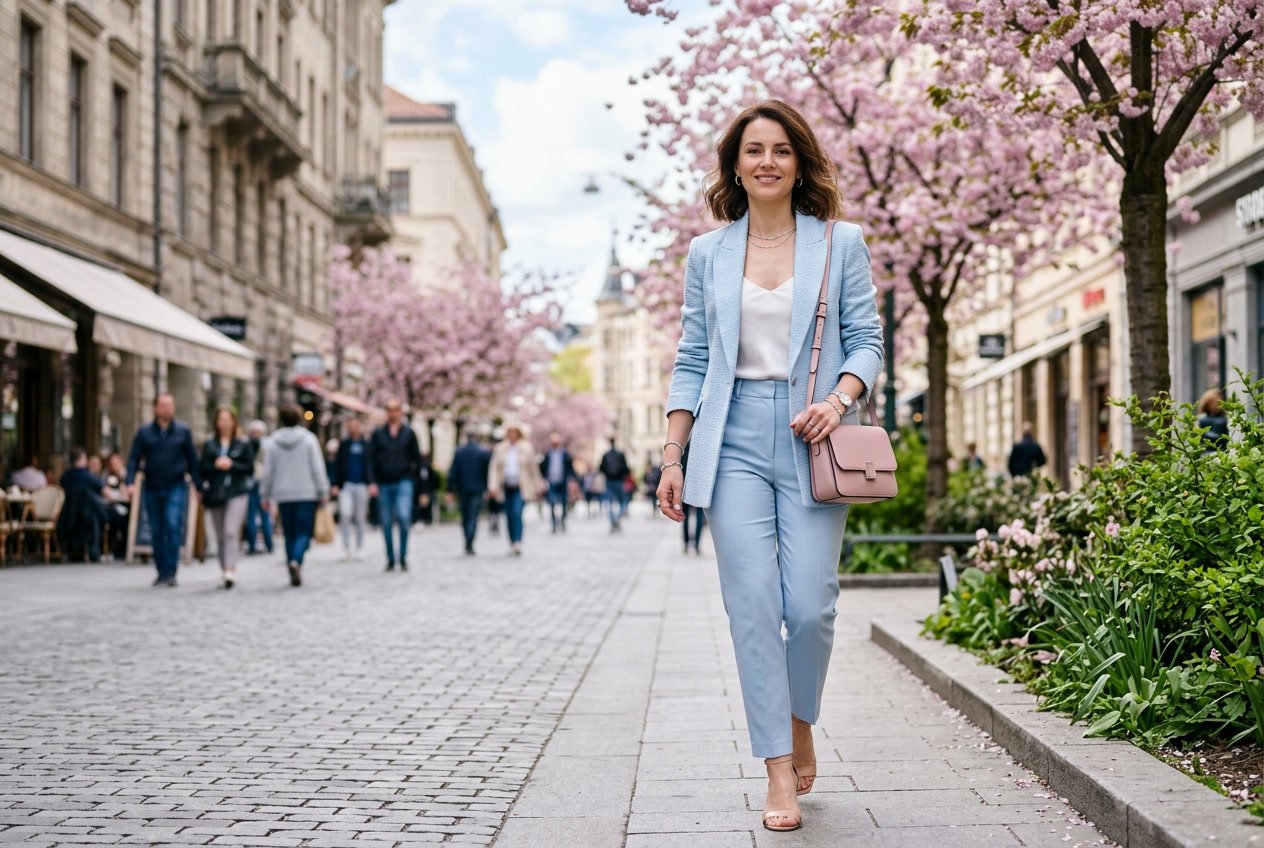
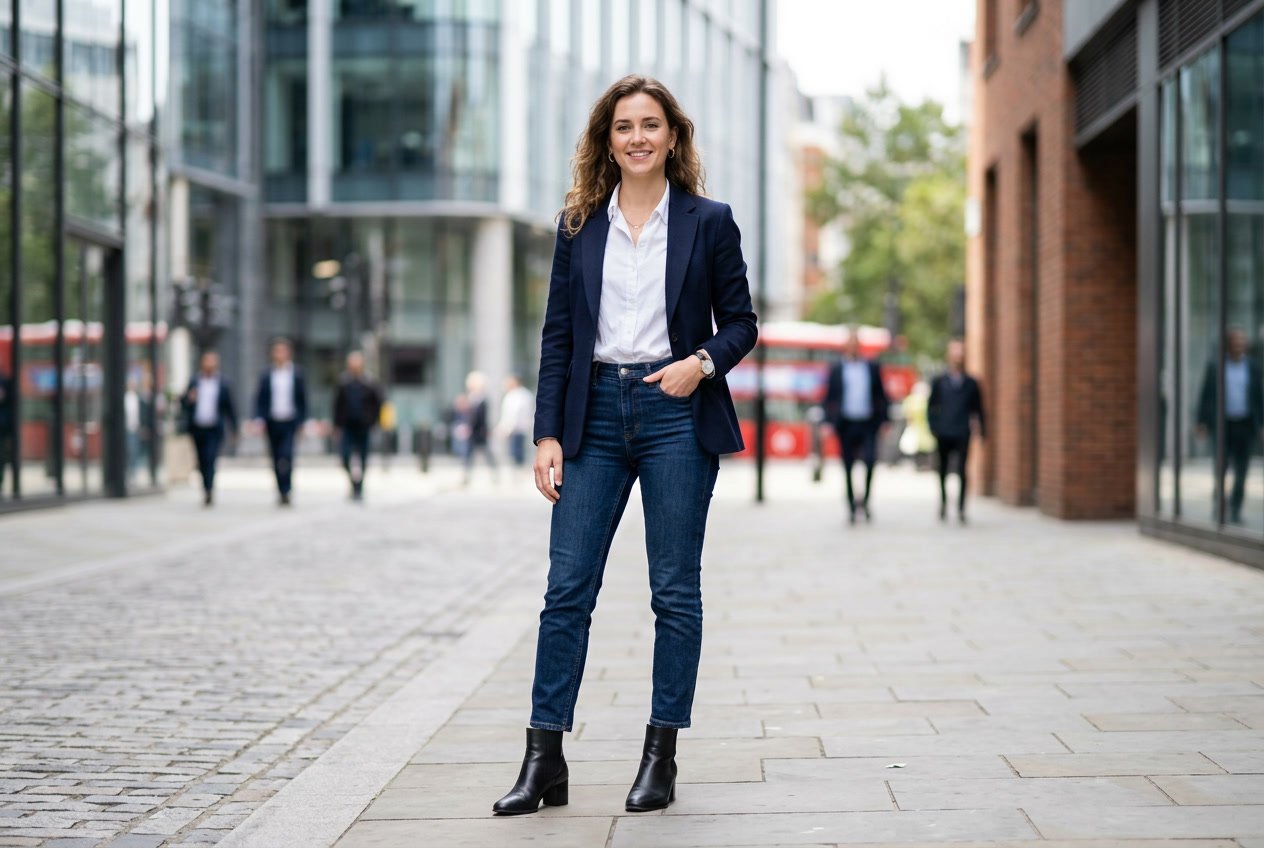
    A young woman standing on a city street wearing fitted jeans, a white blouse, and a blazer, looking confident.

    Cigarette jeans are a different beast compared to the relaxed fits we’ve all been living in. Their slim shape means you’ve got to pay attention to proportions, shoes, and styling tricks that work with—rather than against—the clean lines.

    Understanding the Cut: What Sets Cigarette Jeans Apart

    Cigarette jeans land somewhere between skinny jeans and straight-legs. They keep a slim profile from hip to ankle, but don’t squeeze you like old-school skinnies.

    Most of them have a high-rise waist that sits at or just above your natural waist, which is pretty flattering.

    The cropped length is what really sets these apart. Slim jeans that end at the narrowest part of your ankle create a streamlined look and make your legs look longer.

    They should skim your body, not cling to it.

    Unlike wide-leg denim, cigarette jeans taper gently—never tight, but definitely not baggy. This cut keeps them versatile, more so than those super-skinny or ultra-oversized styles.

    Look for these measurements:

    • Leg opening: 13-14 inches for that classic cigarette fit
    • Rise: High-rise (10-11 inches) works best
    • Inseam: Cropped at 26-27 inches or full-length at 28-29 inches

    Choosing the Best Shoe Pairings: From Loafers to Heeled Sandals

    Loafers give cigarette jeans a polished, slightly androgynous vibe. The flat shape works well with the slim cut and doesn’t add any bulk at the ankle.

    Leather loafers in black or burgundy look especially sharp with darker denim.

    Heeled sandals are great if you’re dressing up for evening. Cropped jeans show off strappy styles or mules, and a 5-8cm heel gives you some lift without feeling over the top.

    Trainers are the easiest, most laid-back option. Stick with slim, low-profile ones—chunky sneakers kind of ruin the line.

    White leather trainers or retro runners look great with faded or lighter washes.

    Footwear matches by occasion:

    • Work: Pointed-toe loafers, ankle boots with a small heel
    • Weekend: Classic trainers, flat leather sandals
    • Evening: Heeled mules, strappy sandals, sleek boots

    Transitioning from Baggy and Wide-Leg Denim to Slimmer Fits

    Start with a single pair of cigarette jeans—maybe in a mid-wash or black. Honestly, these are easy to work into your current wardrobe and don’t demand you suddenly change everything.

    Sticking to familiar colors helps with the switch from wide legs to something slimmer. It’s a subtle shift, so you won’t feel out of place right away.
    When it comes to tops, balance is everything. Pairing slimmer jeans with oversized jumpers or a relaxed blazer keeps the look from feeling too tight or stiff.

    You get this nice contrast—slim on the bottom, a bit more volume up top. It’s just more interesting and, let’s be real, a lot comfier.

    You’ll probably want to rethink how you style things, too. Tucking in your top or wearing something cropped can really show off the high-rise waist on cigarette jeans.

    That’s a bit different from wide-leg denim, where you might have gone for longer hemlines. Try layering with structured outerwear instead of piling on big, bulky pieces—it just works better with the tailored line of these jeans.

  • What to Wear When the Dress Code Is ‘Smart Casual’: Essential Outfits & Transitional Tips

    Getting dressed shouldn’t feel like solving a puzzle, but certain situations make it complicated. Meeting a partner’s parents, navigating unpredictable weather, or decoding “smart casual” invitations can leave anyone staring at their wardrobe in confusion. These moments require outfits that look intentional without appearing overly formal or too relaxed.

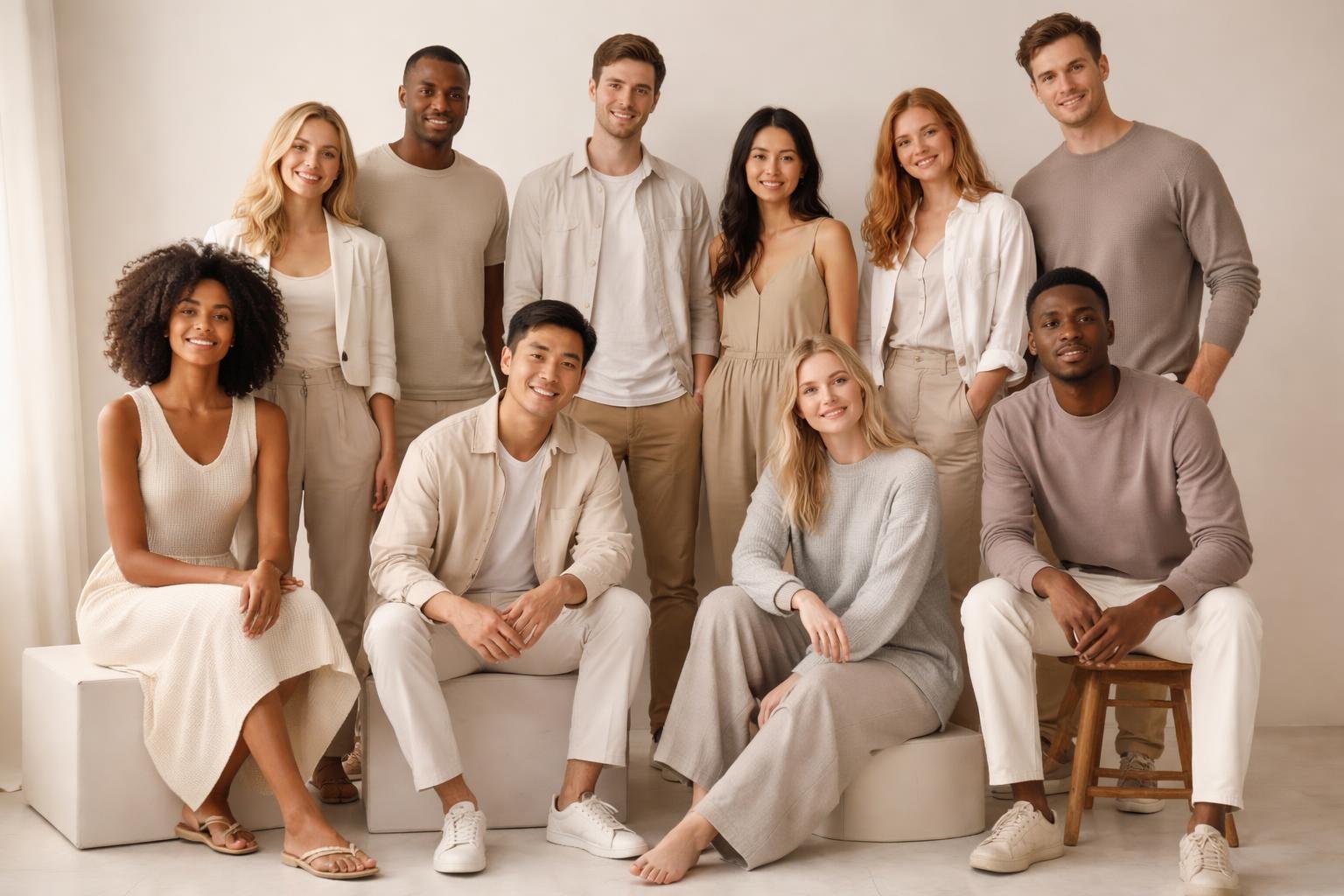
    Five people standing together wearing different smart casual outfits in a studio with a plain background.

    Smart casual sits between professional business wear and everyday casual clothing—think tailored trousers with a relaxed blouse, or dark jeans paired with a structured blazer. The challenge isn’t just understanding what smart casual means, but applying it to real situations where the stakes feel high and the rules seem vague.

    This guide breaks down the essential pieces that work across multiple scenarios and shows how to style them for specific moments. From building a foundation of versatile items to adapting outfits for temperature swings and important occasions, these practical approaches remove the guesswork. The focus is on creating polished looks that still feel authentic, whether heading to a semi-formal event or simply needing to appear more put-together than the morning actually allowed.

    Mastering the Smart Casual Dress Code: Key Elements & Signature Styles

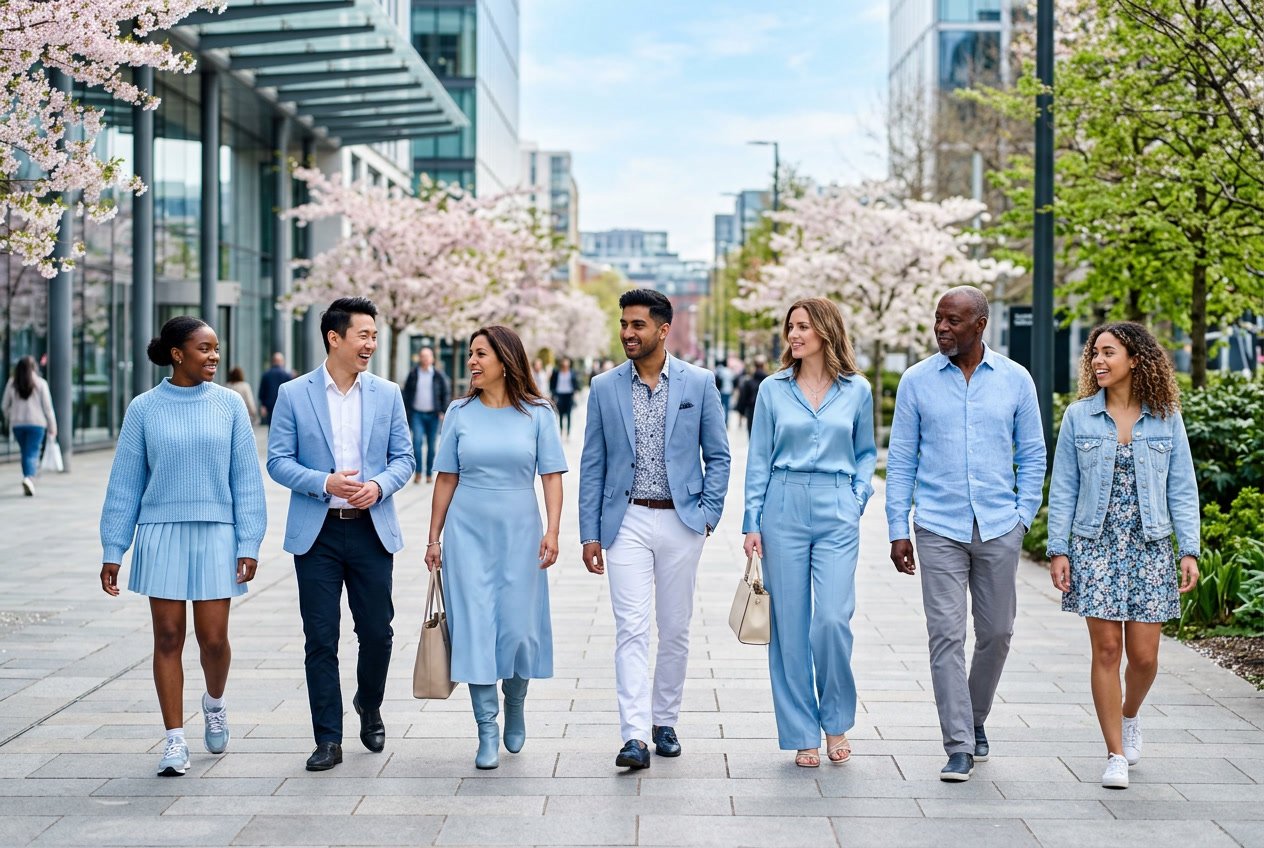
    Five adults standing outdoors in modern city surroundings wearing smart casual clothes, smiling and interacting.

    Smart casual sits between formal business wear and weekend clothes, requiring pieces that look intentional without feeling stiff. The right combination of tailored items and relaxed staples creates outfits suitable for work meetings, dinners, or social events where dressing well matters.

    Defining Smart Casual: The Balance of Relaxed and Polished

    Smart casual dress code blends structured pieces with comfortable items to achieve a put-together appearance. Unlike business casual, which leans formal, smart casual allows dark jeans, unstructured blazers, and quality knitwear. The key lies in pairing one relaxed element with something polished.

    A crisp button-down shirt works with chinos. Dark denim looks appropriate under a black blazer. This dress code requires clothes that fit properly and appear intentional, avoiding anything too casual like trainers, ripped jeans, or graphic t-shirts.

    What is smart casual becomes clearer when considering the occasion. Office environments may expect tailored trousers and structured tops. Social gatherings allow midi skirts or quality polo shirts. The smart casual look always maintains neatness whilst avoiding the formality of suits or cocktail dresses.

    Essential Pieces for Men: Blazers, Trousers, and Versatile Footwear

    Smart casual for men centres on versatile separates that mix and match easily. A navy or grey blazer forms the foundation, working with everything from button-down shirts to simple knitwear. Tailored trousers in neutral colours provide structure, whilst dark jeans offer a relaxed alternative that still looks smart.

    Chinos bridge casual and formal, pairing well with both blazers and casual shirts. Quality fabrics matter—lightweight wool, cotton, or linen depending on the season.

    Footwear defines the smart casual outfit. Leather loafers suit most occasions, whilst brogues add formality. Clean, minimal trainers work for more relaxed settings, but worn or overly sporty styles don’t fit the dress code. Brown or tan leather shoes offer versatility across different trouser colours.

    Core wardrobe pieces for men:

    • Navy or grey blazer
    • Tailored trousers (navy, grey, khaki)
    • Dark denim jeans
    • Button-down shirts (white, blue, subtle patterns)
    • Leather loafers or brogues
    • Quality knitwear

    Signature Staples for Women: Dresses, Skirts, and Tailored Layers

    Smart casual for women offers more variety whilst maintaining polish. A midi dress in a solid colour or subtle print works for numerous occasions. Midi skirts pair with tucked blouses or fitted knitwear, creating balanced proportions. Dark jeans become smart casual when worn with structured tops and proper footwear.

    Blazers remain essential, but women can also layer with tailored cardigans or structured jackets. A black blazer works over dresses, with trousers, or atop smart jeans. Quality fabrics elevate simple pieces—silk blouses, merino wool, or structured cotton all signal intentional dressing.

    Smart casual shoes for women include ankle boots, loafers, ballet flats, block heels, or heeled mules. Sandals work in warmer weather if they look refined rather than beachwear. The footwear should complement the outfit’s formality level.

    Essential items for women:

    • Midi dress or midi skirt
    • Tailored trousers
    • Dark jeans
    • Crisp button-down shirt
    • Black blazer
    • Ankle boots or leather loafers

    Building a Functional Smart Casual Wardrobe

    A smart casual wardrobe requires fewer pieces than expected when each item works multiple ways. Start with neutral colours—navy, grey, black, white, and beige—then add accent colours that suit personal style. Three pairs of trousers or bottoms, four tops, two blazers or jackets, and two pairs of shoes create numerous outfit combinations.

    Quality matters more than quantity. Well-made pieces last longer and look better. A properly fitted blazer improves any smart casual outfit, whether paired with jeans or tailored trousers. Accessories like leather belts, simple watches, or structured bags complete the look without overwhelming it.

    Smart casual attire adapts to seasons. Summer allows lighter fabrics and loafers without socks. Winter needs layering with knitwear under blazers. Transitional weather suits unstructured blazers over long-sleeve shirts. The smart casual style remains consistent: intentional, clean, and balanced between formal and relaxed.

    Confident Outfit Ideas and Transitional Styling for Every Scenario

    Five adults wearing smart casual clothes standing together outdoors in a city environment.

    Getting dressed shouldn’t feel like solving a puzzle, whether it’s for a smart casual event, an important meeting, or unpredictable weather. The right combination of quality fabrics, structured pieces, and clever layering makes any scenario manageable.

    Five Outfits That Look Effortlessly Put Together

    A black blazer paired with dark denim and a crisp button-down creates a foolproof formula. This combination works for nearly any occasion when someone needs to appear organised without much effort.

    Option 1: The Classic Blazer Look

    • Black blazer
    • Dark jeans
    • White crisp button-down
    • Ankle boots or loafers

    Option 2: The Midi Dress Solution
    A midi dress with ankle boots removes all guesswork. Adding a cardigan or unstructured blazer provides extra polish when needed.

    Option 3: Tailored Trousers and Structured Tops
    Tailored trousers with a structured top in quality fabrics look intentional. Ballet flats or block heels complete the outfit without adding complexity.

    Option 4: Smart Casual for Men
    Chinos, a crisp button-down, and an unstructured blazer work together seamlessly. Loafers or boots finish the look.

    Option 5: The Midi Skirt Approach
    A midi skirt paired with a tucked-in top and ankle boots creates instant sophistication. A blazer adds structure when temperatures drop.

    What to Wear When Meeting Your Partner’s Parents

    Meeting a partner’s parents requires balancing personal style with appropriate dressing. The goal is to appear respectful without abandoning individuality.

    Smart casual for women might include a midi dress with ankle boots and minimal accessories. A black blazer over tailored trousers with a quality knit top also works well. These outfits feel polished without trying too hard.

    For men, chinos paired with a crisp button-down and an unstructured blazer strikes the right balance. Dark denim can substitute for chinos if the blazer and shirt maintain the smart casual standard. Loafers or boots complete the outfit appropriately.

    Accessories should stay simple. A watch, small earrings, or a leather bag adds personality without overwhelming the outfit. Quality fabrics like wool or cotton demonstrate care without appearing overly formal.

    Transitional Weather Survival: Layering for Freezing Mornings and Warm Afternoons

    Transitional weather demands versatile pieces that adapt throughout the day. The key is choosing items that layer easily and look intentional when removed.

    Start with a base of dark jeans or tailored trousers and a structured top. Add a cardigan or blazer that can be removed when temperatures rise. An oversized blazer provides warmth without bulk and works over most base layers.

    Essential Transitional Pieces:

    • Blazers: Provide structure and warmth
    • Cardigans: Easy to remove and carry
    • Crisp button-downs: Work alone or layered
    • Quality knitwear: Breathable but warm

    Footwear matters in transitional weather. Ankle boots work across temperatures, whilst ballet flats or loafers suit milder afternoons. Avoid sandals in the morning chill and heavy boots for warm afternoons.

    Neutral colours keep layered outfits coordinated. A camel coat over grey knitwear and dark denim creates cohesion without requiring much thought. This approach allows someone to add or remove layers whilst maintaining a pulled-together appearance throughout changing conditions.

  • Style Yourself Charlie Day Style: 7 Uses for Your Green Utility Jacket

    A green utility jacket stands as one of the most practical items anyone can own. It works across seasons and suits many different occasions. This simple piece offers more styling options than most people realise.

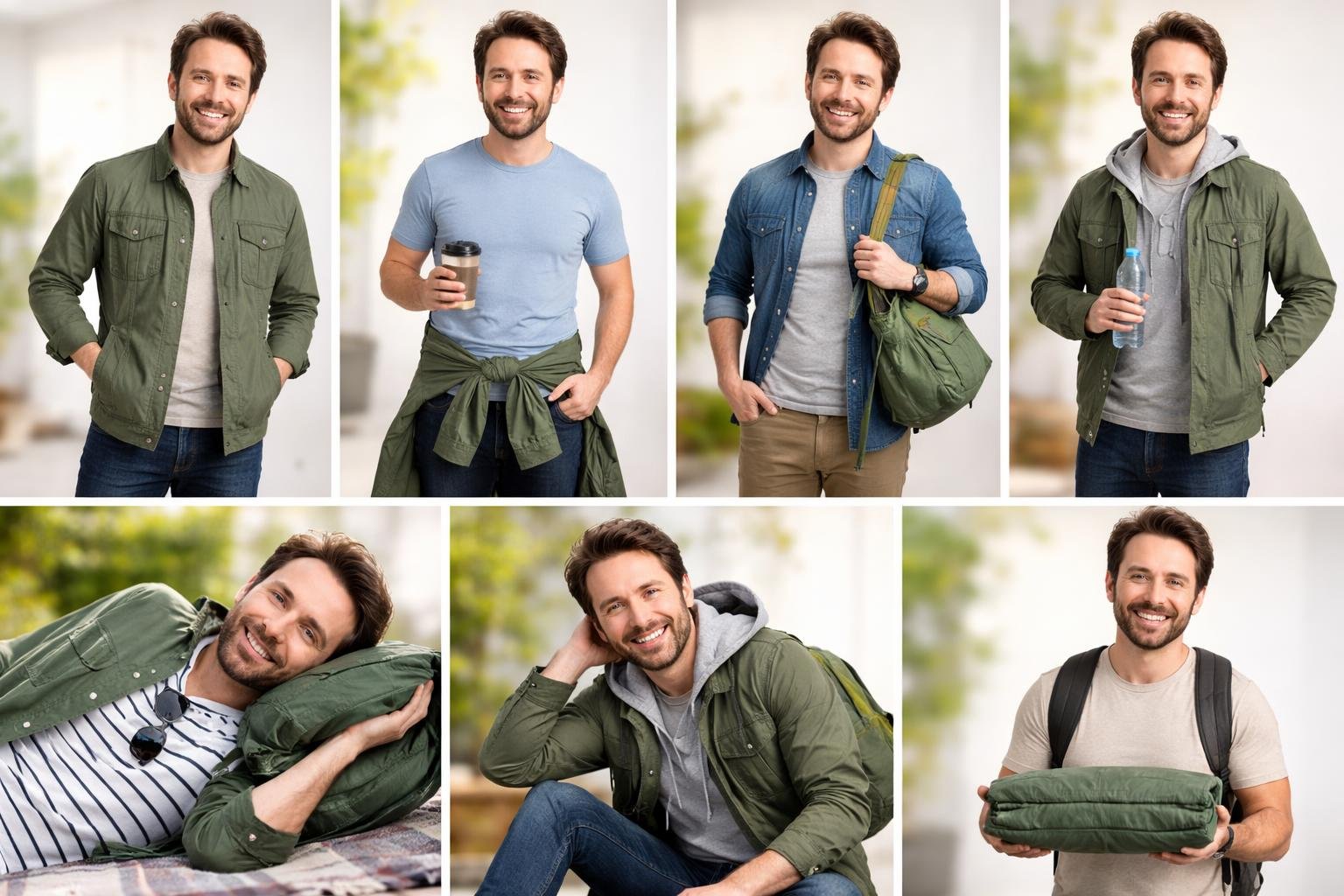
    A man demonstrating seven different ways to wear or use a green utility jacket in a series of clear, well-lit scenes.

    Charlie Day’s relaxed approach to dressing shows how a green utility jacket can become a go-to item in any wardrobe. The jacket works for casual spring days, smart autumn outings, and everything in between. It pairs well with basics like t-shirts and jeans whilst also adding interest to dresses and more polished pieces.

    This guide explores seven distinct ways to wear a green utility jacket throughout the year. From outdoor adventures to evening drinks, the jacket adapts to fit different needs and settings.

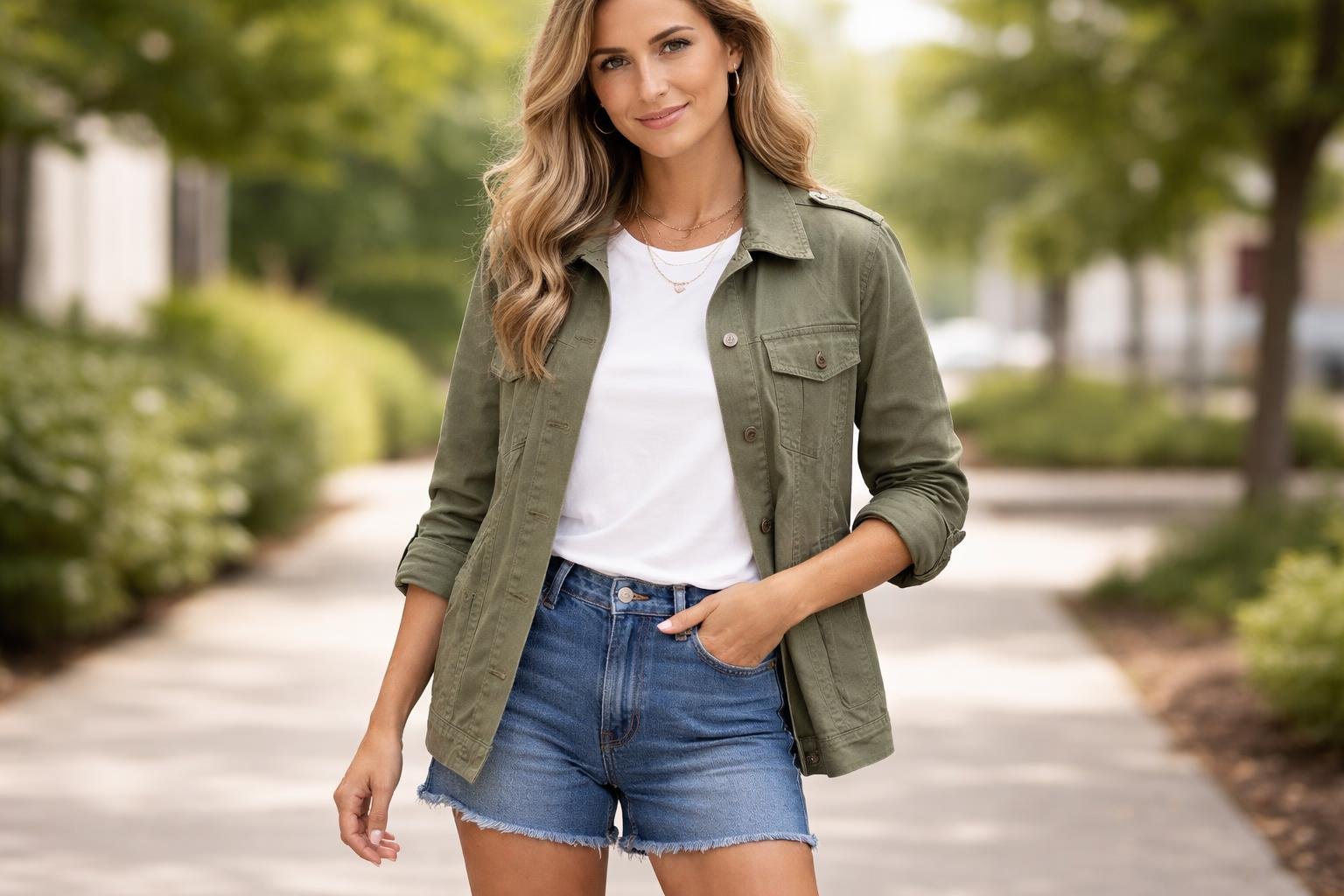
    1) Layer over a white cotton tee and denim shorts for a casual spring look

    A person wearing a green jacket over a white t-shirt and denim shorts standing outdoors.

    A white cotton tee and denim shorts create a classic foundation for spring. This combination works well because both pieces are versatile staples that most people already own.

    Adding a green utility jacket transforms this simple outfit into something more put-together. The jacket provides warmth during cooler spring mornings whilst keeping the look relaxed. The military-inspired details on a utility jacket add visual interest without requiring extra accessories.

    This layered approach suits various spring activities. It works for weekend errands, casual lunches, or outdoor events. The outfit strikes a balance between practical and stylish.

    The green colour of the utility jacket pairs naturally with denim blue and white. These neutral tones complement each other without clashing. Someone can wear this combination repeatedly by swapping different styles of white tees or denim shorts.

    The jacket can be left open for a more casual appearance or buttoned up when temperatures drop. Rolling up the sleeves creates a different silhouette that suits warmer afternoons. This flexibility makes the outfit suitable for changeable spring weather.

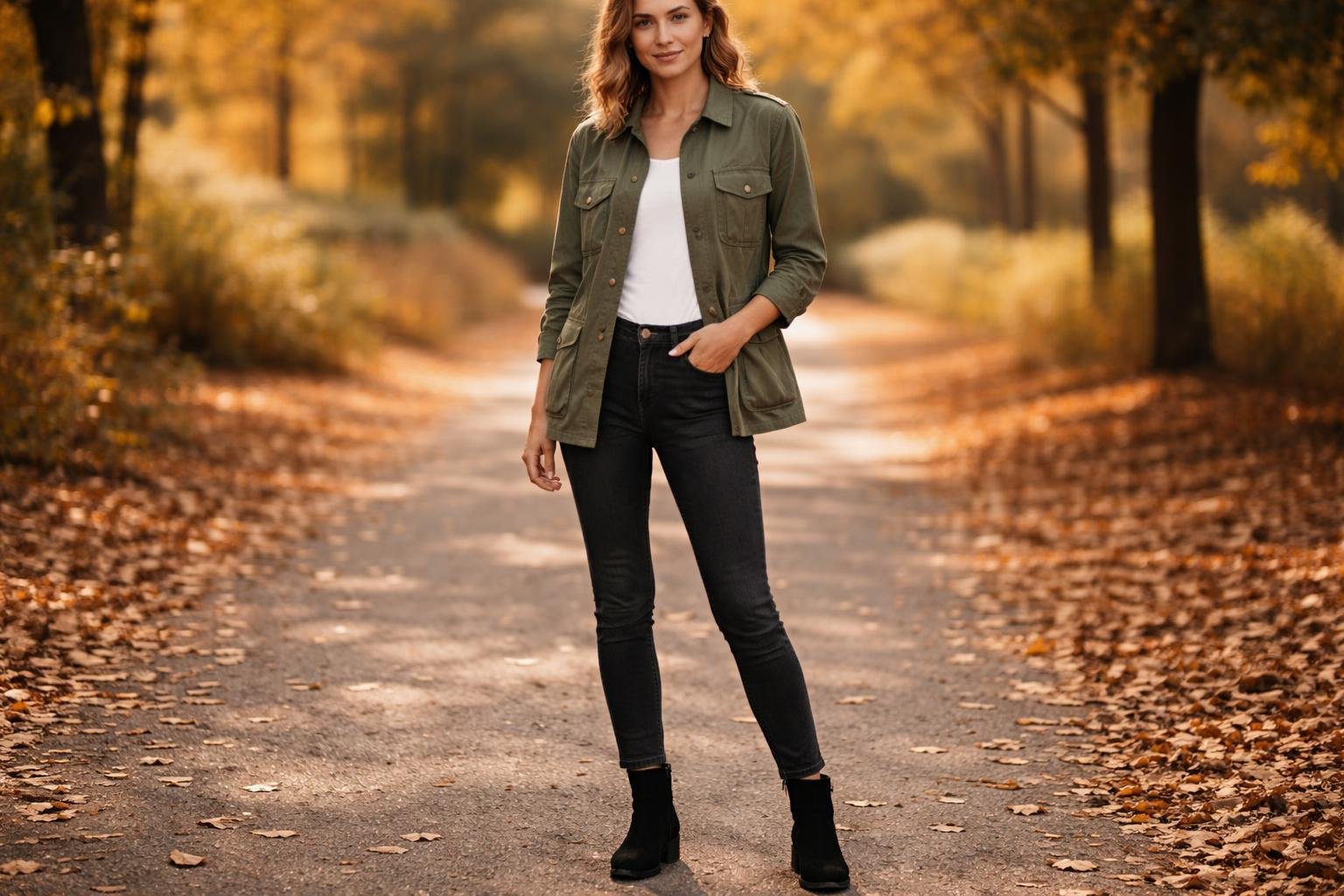
    2) Pair with slim black jeans and ankle boots for a smart-casual fall outfit

    Person wearing a green jacket, black jeans, and ankle boots standing outdoors with autumn leaves on the ground.

    A green utility jacket works perfectly with slim black jeans and ankle boots for autumn days. This combination creates a balanced look that works for casual Friday at the office or weekend outings.

    Slim black jeans provide a clean base that lets the utility jacket stand out. The dark denim creates a long line down the leg, which pairs well with ankle boots without adding bulk. This silhouette keeps the outfit looking put-together rather than too casual.

    Ankle boots in leather or suede complete the smart-casual feel. Black boots keep the look streamlined, whilst brown or tan options add warmth. The boots should sit just above the ankle bone, with the jeans either tucked in or sitting just over the boot shaft.

    This outfit works for various occasions throughout autumn. Add a simple tee or fitted jumper underneath the jacket to adjust for temperature. A crossbody bag and minimal jewellery keep the look refined without trying too hard.

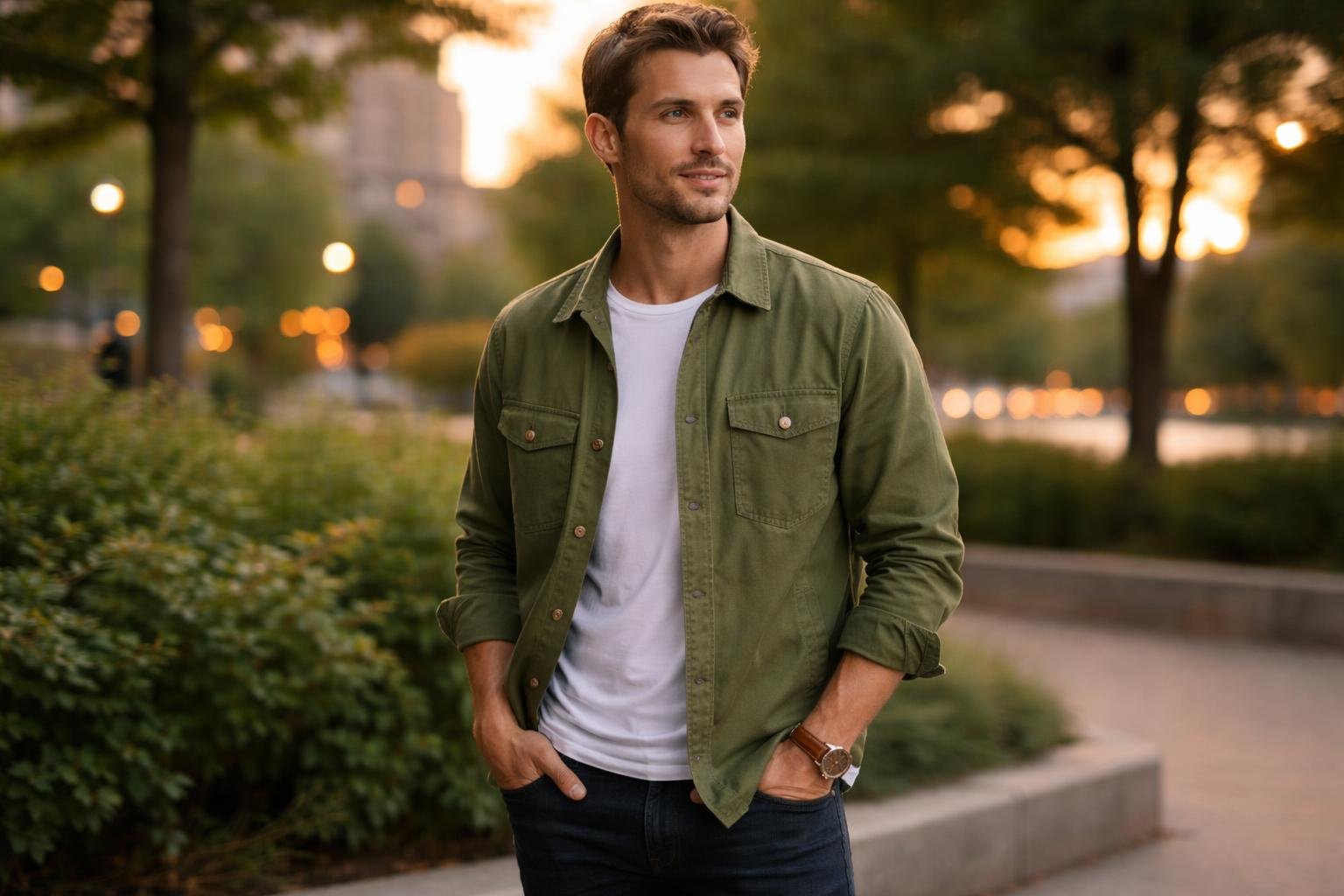
    3) Wear as a lightweight layering piece on cool summer evenings

    A man wearing a green jacket stands outdoors in a park at sunset with trees and buildings in the background.

    Summer temperatures can shift dramatically once the sun sets. A green utility jacket provides the perfect solution for those cooler evening hours without adding bulk to an outfit.

    The lightweight cotton or cotton-blend fabric of most utility jackets offers just enough warmth for outdoor dining or evening walks. The wearer can simply drape it over their shoulders or slip it on when needed. This practical approach keeps the chill at bay whilst maintaining a relaxed summer aesthetic.

    Charlie Day often pairs his casual layers with simple basics underneath. Following this approach, one can wear the jacket over a plain white t-shirt and shorts or with a summer dress. The military-inspired design adds visual interest to otherwise simple warm-weather clothes.

    The jacket works particularly well in situations with unpredictable temperatures. Indoor spaces with strong air conditioning require extra coverage, and the utility jacket serves this purpose without looking out of place. When temperatures rise again, the wearer can tie it around their waist or toss it over their arm. This versatility makes the green utility jacket an essential piece for summer evenings.

    4) Combine with neutral-toned chinos and a simple blouse for effortless style

    A man wearing a green jacket and neutral-coloured trousers stands outdoors in a city setting, smiling gently.

    A green utility jacket pairs beautifully with neutral-toned chinos for a polished yet relaxed outfit. Beige, cream, or grey chinos work particularly well as they allow the jacket to stand out without competing for attention.

    Adding a simple blouse creates a clean, put-together look. A white or cream blouse offers a classic foundation that complements both the jacket and chinos. The blouse can be worn tucked in for a more tailored appearance or left untucked for casual comfort.

    This combination works well for various occasions. It suits weekend outings, casual workplace environments, or relaxed social gatherings. The neutral palette keeps the outfit versatile and easy to accessorise.

    For footwear, brown leather boots or white trainers complete the look depending on the desired level of formality. A simple crossbody bag in tan or brown adds practicality without disrupting the cohesive colour scheme.

    The beauty of this outfit lies in its simplicity. The neutral chinos ground the look whilst the green jacket adds visual interest. The blouse softens the utilitarian nature of the jacket, creating balance between casual and refined.

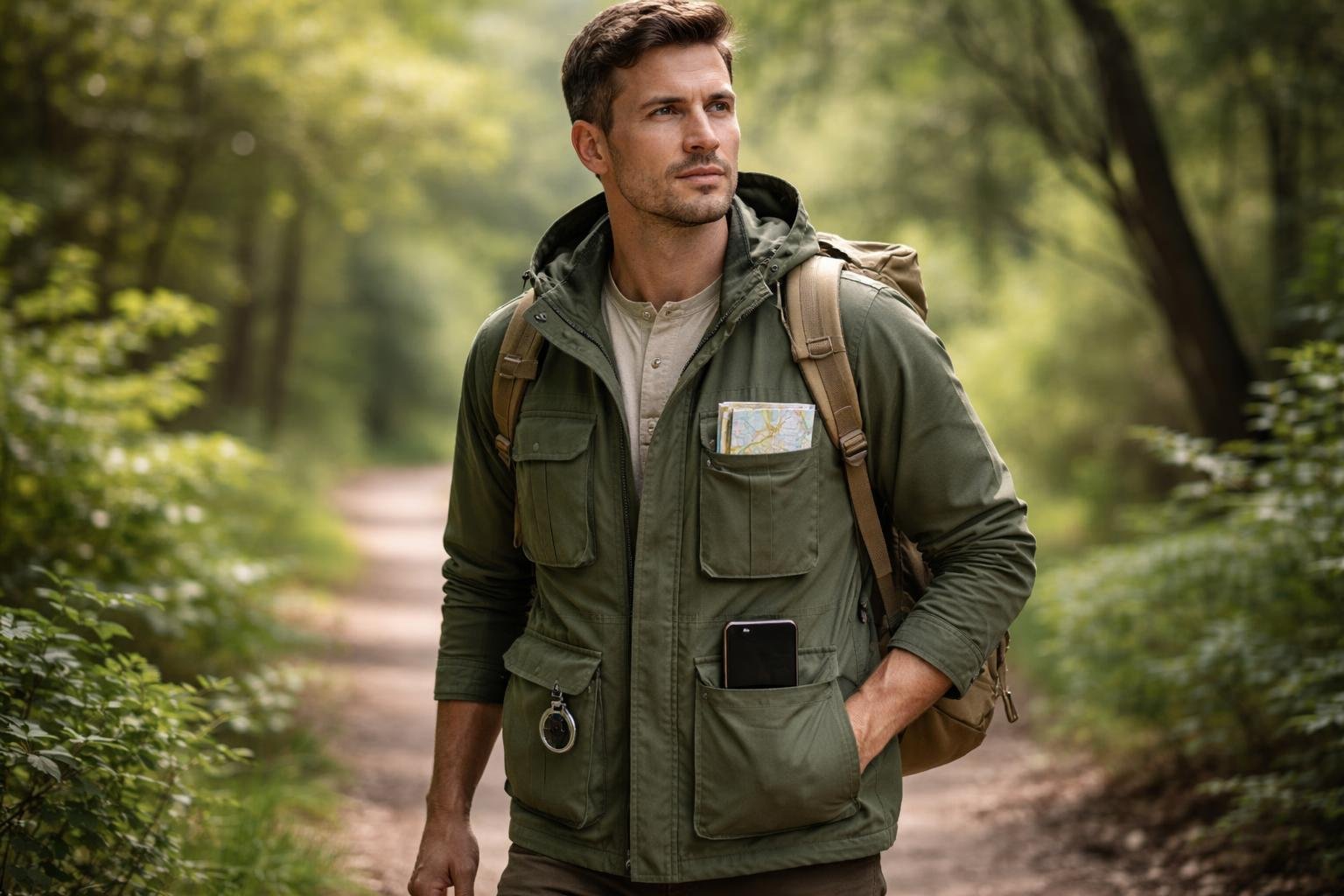
    5) Use as a functional jacket with multiple pockets when exploring outdoors

    A man outdoors wearing a green jacket with multiple pockets, standing in a forested area surrounded by greenery.

    A green utility jacket serves as an excellent companion for outdoor exploration thanks to its practical pocket design. The multiple pockets allow adventurers to organise and access essential items quickly without needing to carry an additional bag.

    These jackets typically feature various pocket sizes and placements. Larger pockets can hold items like maps, water bottles, or snacks, whilst smaller ones keep important belongings like keys and phones secure.

    The hands-free convenience proves particularly valuable when hiking or walking through nature. Instead of stopping to rummage through a rucksack, one can simply reach into a jacket pocket for a compass, camera, or energy bar.

    The durable fabric construction common in utility jackets protects both the wearer and their belongings from outdoor elements. Many feature weather-resistant materials that shield contents from light rain or dust.

    Charlie Day’s signature green utility jacket style demonstrates how functional outerwear can work for various outdoor activities. Whether exploring trails, visiting parks, or simply walking through town, the multi-pocket design keeps necessities organised and accessible throughout the day.

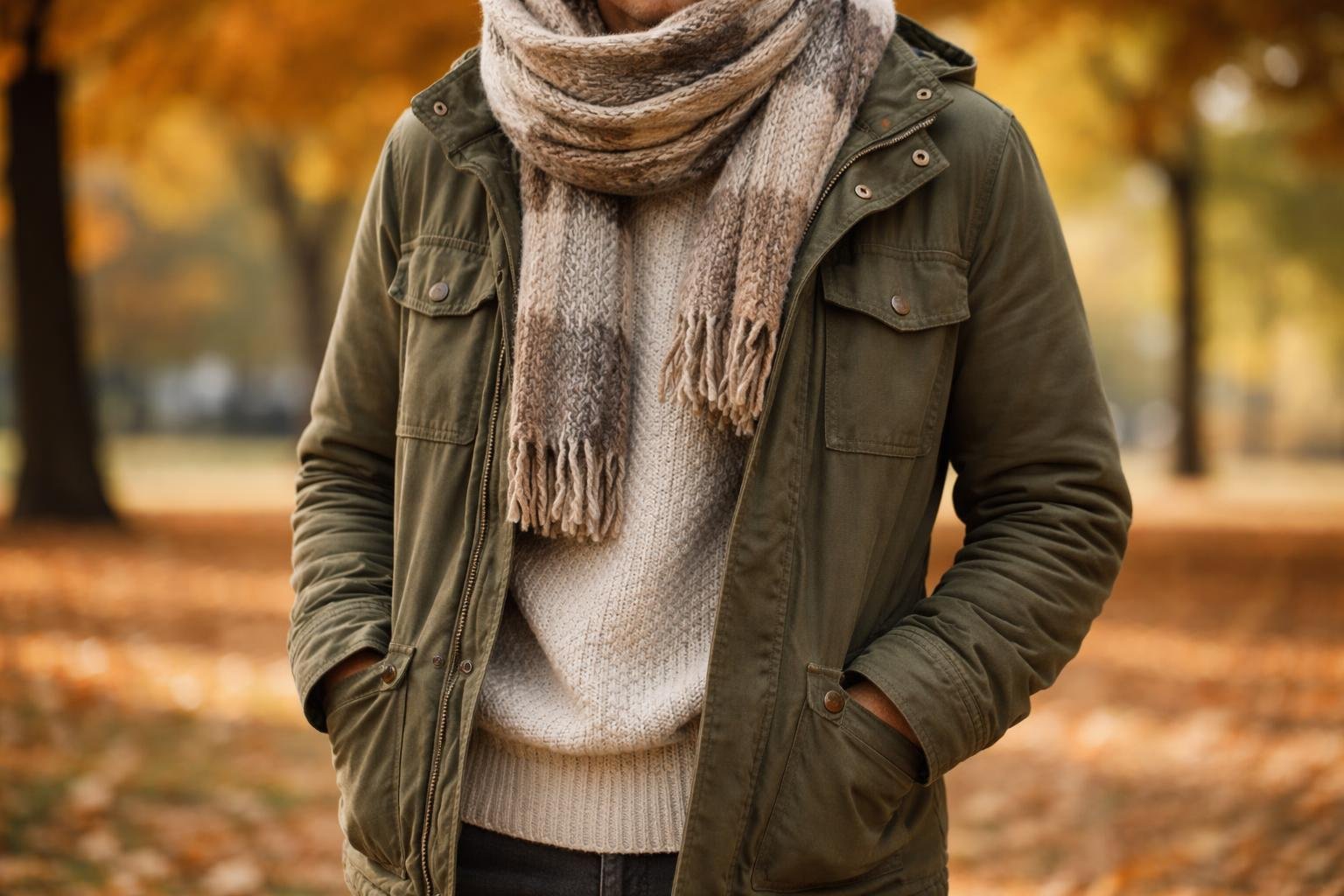
    6) Layer under a cosy scarf and knitwear for added warmth in autumn

    Person wearing a green jacket, knitted scarf, and sweater standing outdoors with autumn leaves in the background.

    A green utility jacket works brilliantly as a base layer when temperatures drop. The trick is wearing it underneath chunky knitwear and scarves instead of on top.

    Start by putting on the utility jacket as the foundation. Then add a wool jumper or cardigan over it. The jacket’s structured shoulders create a polished silhouette whilst adding an extra layer of warmth without bulk.

    A wool scarf completes the look. Drape it loosely around the neck or try the classic wrap method for maximum cosiness. The scarf adds both warmth and texture to the outfit.

    This layering approach keeps the jacket’s practical pockets accessible whilst the knitwear provides insulation. The green colour peeks through at the collar and cuffs, adding visual interest to neutral-toned jumpers.

    The combination works particularly well for autumn when morning chill gives way to milder afternoons. Simply remove the outer layers as needed whilst keeping the jacket on. This styling method transforms the utility jacket from a standalone piece into a versatile layering essential that extends its usefulness throughout the cooler months.

    7) Style over a midi dress to add a subtle edge to feminine attire

    A green utility jacket transforms a midi dress from purely feminine to effortlessly cool. This pairing works because the structured, practical jacket contrasts with the softer lines of a dress.

    The combination suits various occasions. For casual outings, one can layer the jacket over a jersey or cotton midi dress with white trainers. This creates a relaxed look that’s perfect for weekend errands or coffee dates.

    The styling works equally well for slightly dressier settings. Pairing the jacket with a satin or flowing midi dress and ankle boots adds an unexpected twist to evening wear. The utility jacket’s military-inspired details provide just enough edge without overwhelming the outfit.

    This look balances masculine and feminine elements naturally. The jacket’s pockets, zips, and structured shoulders offset the midi dress’s graceful silhouette. One can leave the jacket open to show the dress or button it partially for more definition.

    The green colour adds versatility. It complements floral prints, solid colours, and patterned midi dresses alike. This styling approach requires minimal effort whilst delivering maximum impact.

    Understanding Charlie Day’s Signature Aesthetic

    Charlie Day’s style centres on relaxed, practical pieces that work for everyday wear without looking overly planned. His approach favours comfort and functionality whilst maintaining a put-together appearance through layering and versatile staples.

    Key Elements of Effortless Urban Style

    Charlie Day’s wardrobe reflects an unpretentious approach to dressing. His style relies on basic layers like plain t-shirts, well-fitted jeans, and casual button-up shirts in neutral colours. These pieces form the foundation of his look.

    The actor frequently opts for earth tones and muted colours rather than bold patterns or bright hues. This creates a cohesive appearance that’s easy to replicate. Grey, navy, olive, and brown appear regularly in his casual outfits.

    Layering plays a crucial role in achieving his aesthetic. He combines simple items like hoodies under jackets or flannel shirts over plain tees. This technique adds visual interest without requiring complicated styling choices.

    His footwear tends towards practical options like trainers or boots that complement rather than dominate an outfit. The overall effect is accessible and wearable for most people’s daily routines.

    Role of the Green Utility Jacket in Casual Outfits

    The green utility jacket serves as a versatile outer layer that embodies Day’s practical style philosophy. Its multiple pockets and durable fabric align with the functional aspect of his wardrobe choices whilst the military-inspired design adds subtle visual appeal.

    This jacket works particularly well over simple tees and jeans, creating an instantly casual look without appearing sloppy. The olive or army green shade pairs naturally with the neutral tones common in Day’s style approach.

    The utility jacket’s structured yet relaxed fit provides shape to casual outfits. It bridges the gap between overly formal and too casual, making it appropriate for various settings from weekend errands to informal social gatherings.

    Tips for Coordinating Your Wardrobe

    A green utility jacket works best when paired with colours that complement its earthy tone and textures that create visual interest. The right accessories add personality and pull the entire look together.

    Matching Colours and Textures

    Neutral colours form the foundation for styling a green utility jacket. White, black, grey, and navy all work well as base pieces. These colours allow the jacket to stand as the focal point without competing for attention.

    Denim creates a natural pairing with utility jackets. Blue jeans in light, medium, or dark washes complement the green tone. Canvas trainers or leather boots add texture variation that keeps the outfit from looking flat.

    For a bolder approach, burgundy, mustard, and brown provide warmth alongside green. These colours share similar undertones that make them easy to combine. A burgundy jumper under a green utility jacket creates depth whilst remaining cohesive.

    Texture mixing adds dimension to simple colour pairings. A cotton t-shirt, canvas utility jacket, and twill trousers create subtle variation. Mixing smooth and rough textures prevents the outfit from appearing one-dimensional.

    Choosing Accessories for a Distinctive Look

    Accessories personalise a utility jacket outfit without overwhelming it. A simple watch with a leather or canvas strap maintains the casual aesthetic. Metal finishes in silver or bronze complement the jacket’s hardware.

    Footwear choices significantly impact the overall style. White trainers create a clean, modern look. Brown leather boots add ruggedness. Canvas plimsolls keep things casual and approachable.

    Bags should match the utility jacket’s practical nature. Canvas rucksacks, messenger bags, or simple tote bags align with the style. Avoid overly formal briefcases or flashy designer bags that clash with the jacket’s laid-back character.

    Small details matter. A knit beanie or baseball cap suits the casual vibe. Sunglasses with simple frames work better than statement pieces. Scarves in complementary colours add warmth during colder months without complicating the outfit.